Headline
PH, Japan deepen nuclear energy cooperation as Marcos eyes power for AI, data centers

ASM, Philippine Canadian Inquirer
October 13, 2026
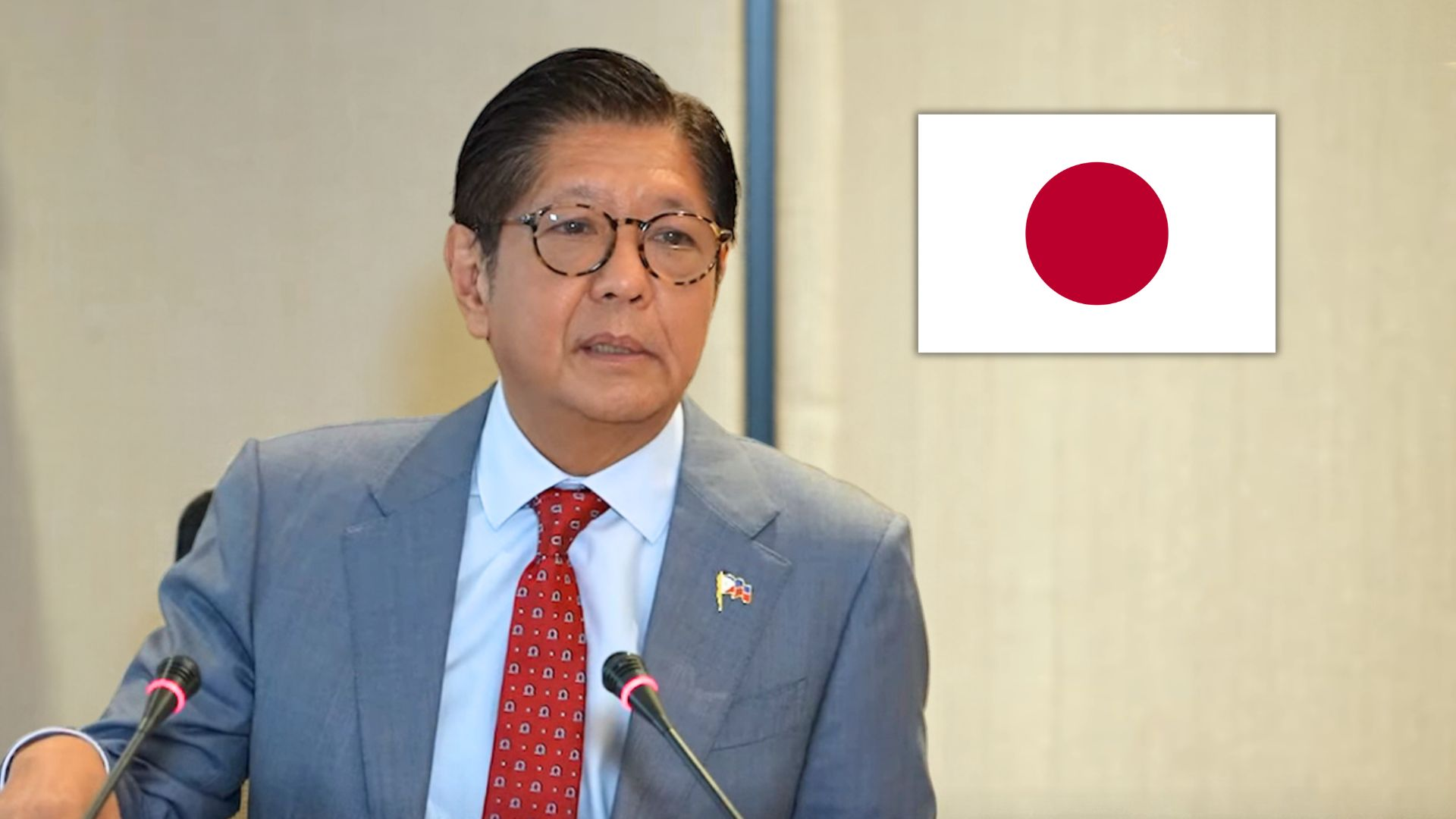
Photo courtesy: Presidential Communication Office
MANILA, Philippines — The Philippines and Japan are expanding cooperation on nuclear energy as Manila prepares to introduce atomic power into its electricity mix and anticipates sharply higher demand from artificial intelligence, data centers and other power-intensive industries.
Energy Secretary Sharon Garin and Japan’s Economy, Trade and Industry Minister Ryosei Akazawa signed a Memorandum of Cooperation aimed at strengthening Philippine capabilities for the safe and responsible development of nuclear power. The agreement was signed on the sidelines of the 4th Asia Zero Emission Community Ministerial Meeting, held alongside the 44th ASEAN Ministers on Energy Meeting in Manila.
Under the pact, the Department of Energy and Japan’s Ministry of Economy, Trade and Industry will create a joint working group to identify priority projects, oversee progress and facilitate exchanges between specialists from the two countries.
Cooperation will cover areas including nuclear safety, emergency preparedness and disaster response, nuclear security and safeguards, health-impact studies, export controls and public engagement. The two sides may also exchange expertise on regulatory and institutional arrangements, ownership models and reactor technologies, including small modular reactors.
Training programs, workshops, research partnerships and personnel exchanges involving Japanese nuclear institutions are also envisioned under the agreement.
The partnership comes as the Philippine government moves closer to establishing a domestic nuclear power program. The DOE is developing rules for the country’s first competitive nuclear-generation tender, with nuclear power targeted to enter the generation mix beginning in 2032 at an initial 1,200 megawatts. The government’s longer-term plan calls for 2,400 MW by 2035 and 4,800 MW by 2050.
President Ferdinand Marcos Jr. reinforced that direction during a recent visit to Singapore, saying the Philippines is taking nuclear power seriously as future electricity requirements rise.
Marcos specifically pointed to the growth of data centers and artificial intelligence, saying participation in the AI and digital-economy value chain would require significantly more electricity than the country consumes today.
His remarks followed a visit to the Singapore Nuclear Research and Safety Institute, where he reiterated that the government considers its 1,200-MW nuclear target achievable.
The administration has also linked nuclear development to broader energy-security concerns. Marcos noted that the Philippines remains heavily dependent on imported oil, while recent international supply disruptions have highlighted the risks of relying extensively on overseas energy sources.
Japan’s cooperation is expected to focus particularly on the technical, regulatory and safety capabilities needed before nuclear plants can be developed. The DOE has emphasized that winning a future nuclear capacity tender would not automatically authorize construction or operation; projects would still need safety approvals and licenses from the Philippine Atomic Energy Regulatory Authority and other regulators.
The Philippines-Japan agreement will take effect after both governments complete their respective domestic procedures and formally notify each other. It will initially remain in force for two years and may be renewed automatically under its provisions.