Headline
Philippines pushes clean energy, foreign investment to cut fossil fuel dependence

ASM, Philippine Canadian Inquirer
September 22, 2026
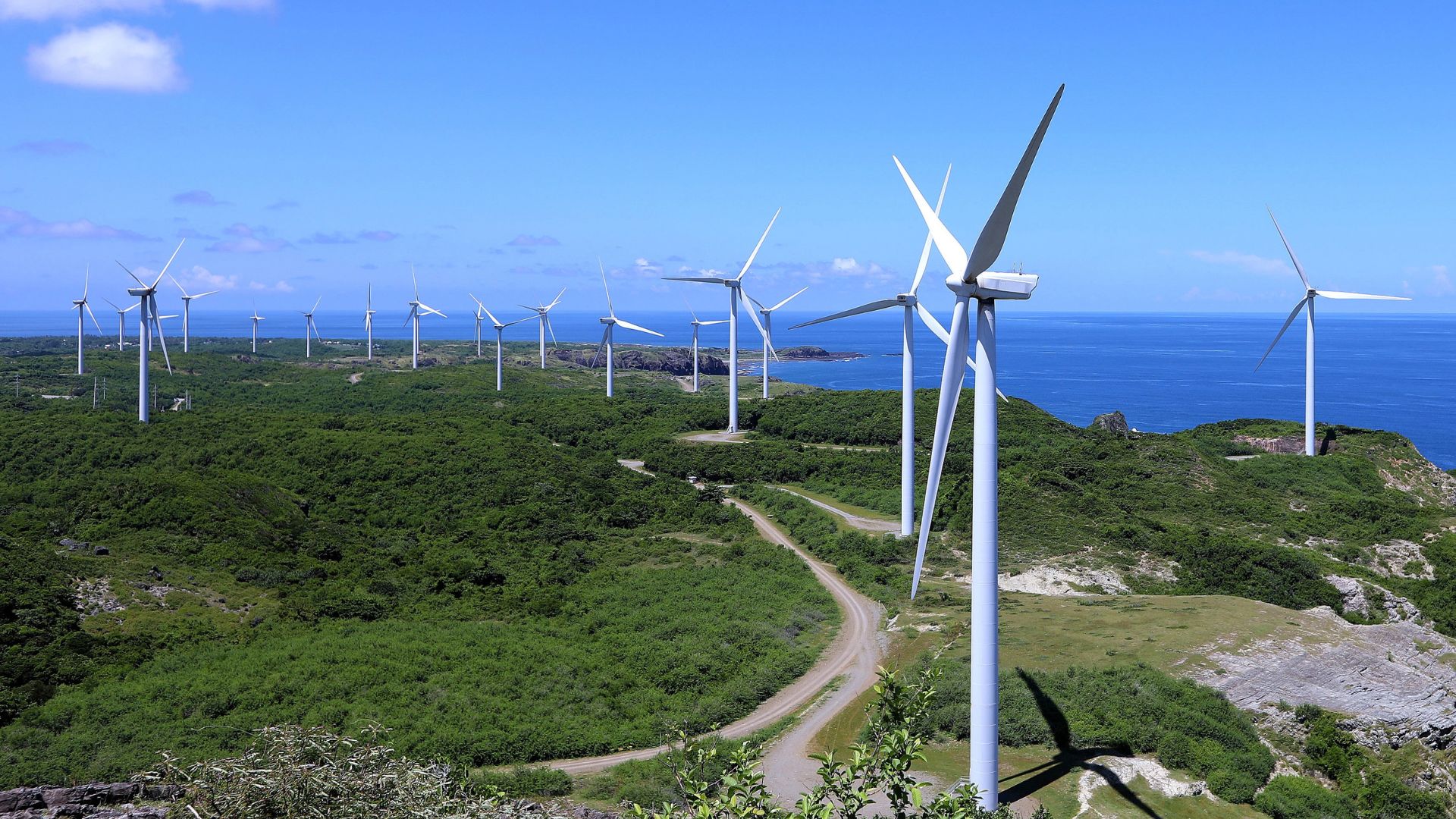
Photo courtesy: Philippine News Agency
MANILA — The Philippines is accelerating renewable energy development and seeking more foreign investment as it moves to reduce dependence on imported fossil fuels and strengthen energy security, Environment Secretary Juan Miguel Cuna said.
Speaking at a Copenhagen Infrastructure Partners (CIP) reception in New York on September 20, Cuna said the country’s reliance on imported fossil fuels has left the economy exposed to fluctuations in global supply and prices.
Cuna said the government is pursuing a transition toward a power system in which renewable energy accounts for more than half of the generation mix by 2050. The Department of Energy’s Philippine Energy Plan 2023-2050 sets interim targets of 35 percent renewable energy by 2030 and 50 percent by 2040.
To attract investment, the Philippines has opened renewable energy projects to 100 percent foreign ownership. The policy covers the exploration, development, and utilization of renewable resources including solar, wind, hydro, ocean, and tidal energy.
The government has also established Green Lanes for Strategic Investments to streamline permits and other government approvals for major projects. As of March 2026, the Board of Investments said 244 projects worth ₱6.43 trillion had received Green Lane certification, with renewable energy among the major sectors represented.
Cuna cited Copenhagen Infrastructure Partners’ planned 1-gigawatt San Miguel Bay Offshore Wind Project as an example of foreign investment supporting the country’s energy transition. He placed the investment at about US$3 billion.
CIP’s own records identify San Miguel Bay as a 1-GW offshore wind project in the Philippines, while the Board of Investments lists it among the company’s Green Lane-certified renewable energy developments.
Cuna said the Department of Environment and Natural Resources has issued a pre-development Environmental Compliance Certificate for the project as the government works to advance offshore wind development.
The environment chief also stressed that expanding renewable energy should not come at the expense of marine ecosystems.
“Our pursuit of renewable power cannot be decoupled from environmental stewardship,” Cuna said, noting that the same waters targeted for offshore wind projects also support fisheries and coastal communities.
He called for continued international investment, climate financing and technology cooperation to support the Philippines’ transition toward cleaner and more secure energy sources.