Headline
El Niño could turn very strong before year-end, persist into 2027

ASM, Philippine Canadian Inquirer
September 14, 2026
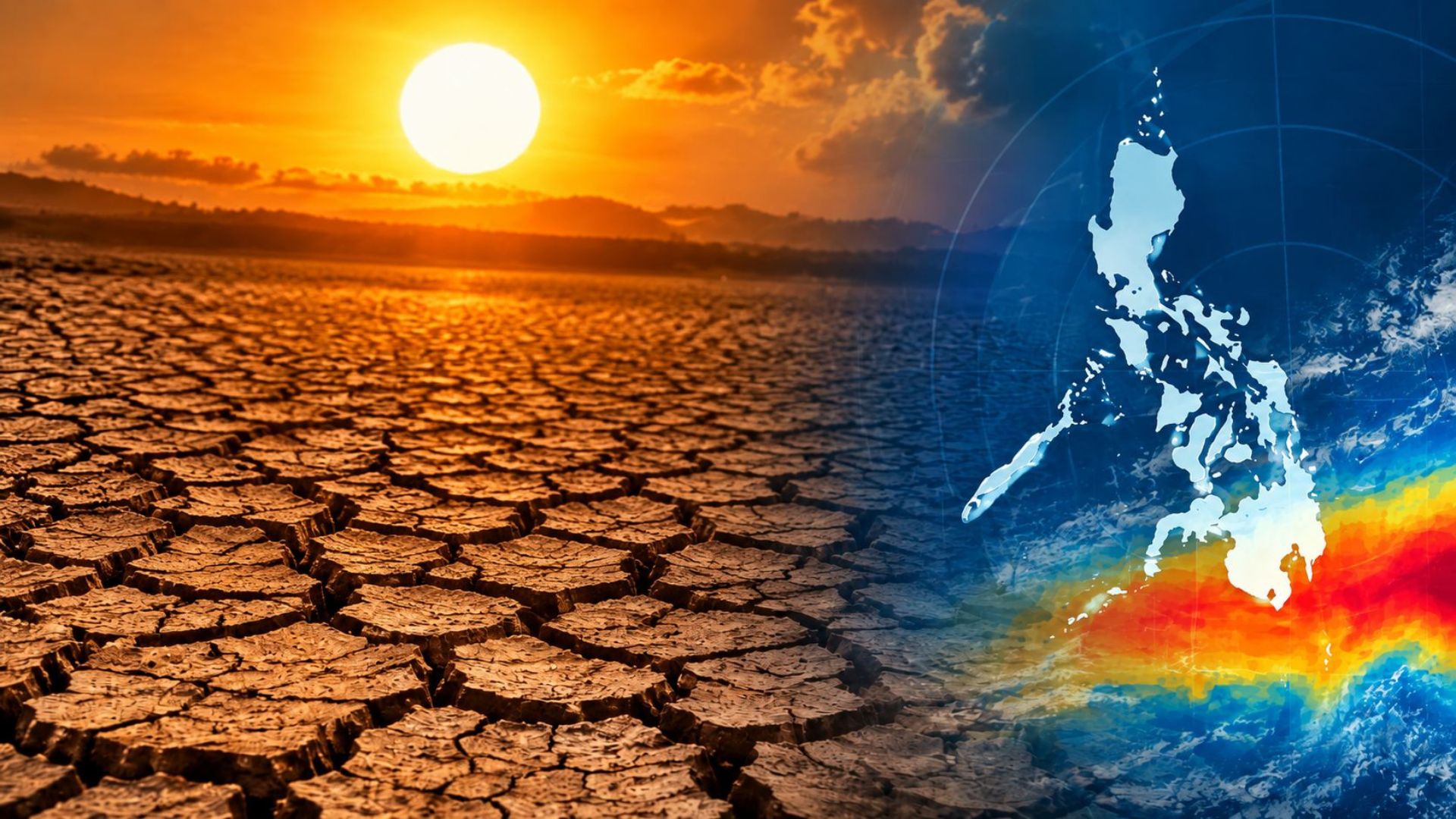
MANILA, Philippines — A strengthening El Niño could reach very strong intensity before the end of 2026, increasing the risk of drought, extreme heat, disrupted rainfall and food-security pressures in the Philippines and other vulnerable parts of the world.
The World Meteorological Organization (WMO) said forecasts show a nearly 100 percent probability that El Niño will persist through February 2027, with the phenomenon expected to strengthen further and peak toward the end of this year.
The warning is particularly relevant to the Philippines, where PAGASA declared an El Niño Advisory on September 7.
According to the state weather bureau, moderate to strong El Niño conditions are already present in the tropical Pacific and could develop into a very strong event in the coming months. PAGASA expects El Niño to continue through the first half of 2027.
For the Philippines, El Niño generally increases the likelihood of below-normal rainfall, which can trigger dry spells and droughts in some areas.
The impact, however, will not be uniform across the country.
PAGASA said western sections may still experience above-normal rainfall during the southwest monsoon or Habagat season even as El Niño strengthens.
This means communities may have to prepare for contrasting hazards: prolonged dry conditions and water stress in some areas, while heavy rainfall and flooding can still affect others.
Globally, WMO said an exceptionally warm tropical Pacific is supporting the rapid intensification of El Niño. Its latest seasonal forecast projects the key Niño 3.4 region to reach an average temperature anomaly of around 3.6°C above normal for September to November, although actual conditions and impacts will vary by region.
A very strong El Niño can significantly alter rainfall and temperature patterns around the world, raising the likelihood of drought, flooding and extreme heat. WMO stressed, however, that the strength of El Niño alone does not determine how severe conditions will become in individual countries.
Food supplies are also a growing concern.
The UN World Food Programme estimates that the 2026–2027 El Niño could push at least 49 million additional people into acute food insecurity by the end of 2027 across 45 vulnerable countries.
The largest impacts are projected in parts of Central America and southern Africa, with significant effects also possible in eastern Africa and South and Southeast Asia.
Drought can reduce crop production, strain irrigation and water supplies and affect livestock, while excessive rainfall and floods can damage farms, roads and food-distribution networks.
For the Philippines, the developing El Niño puts greater pressure on households, farmers, water providers and local governments to prepare before dry conditions become more severe.
PAGASA continues to monitor the phenomenon and has urged the public and affected sectors to follow official climate and weather advisories as conditions develop.
Households can begin conserving water and monitoring local supply advisories, while farmers and agricultural communities should closely follow PAGASA and local agriculture advisories when planning planting, irrigation, and other farm activities.
The key message from weather agencies is clear: El Niño is already here, it is getting stronger, and preparations should begin before its expected peak toward the end of 2026.