Headline
BI defends proposed P240 border fee, says charge is among cheapest worldwide

Abi Sarabia M., Philippine Canadian Inquirer
September 09, 2026
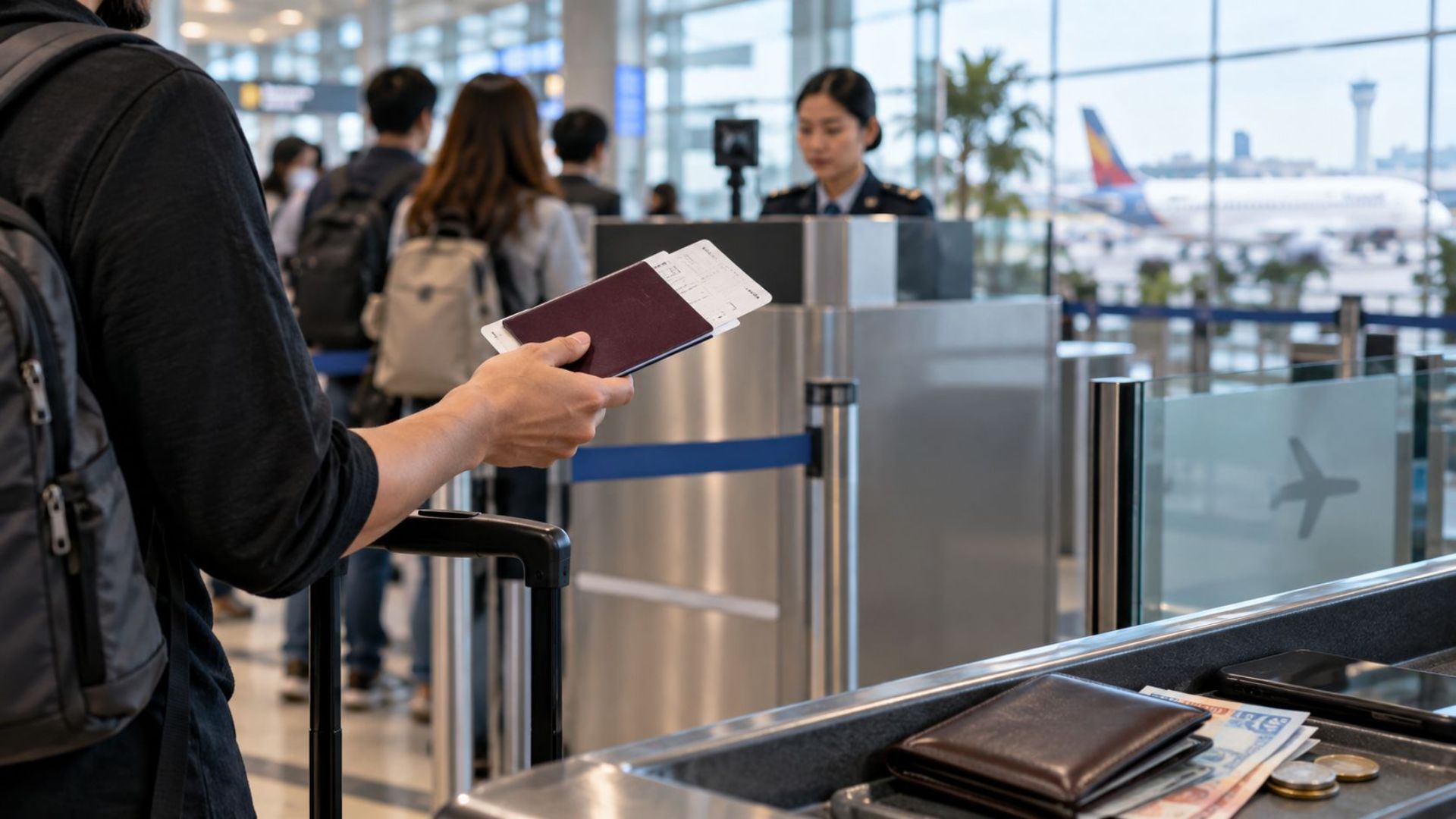
The Bureau of Immigration (BI) defended its proposed P240 border security fee for international travelers, saying the charge would be among the lowest compared with passenger fees imposed in other countries.
Immigration Commissioner Joel Anthony Viado made the statement during a House hearing on the Department of Justice’s proposed 2027 budget, after Caloocan Rep. Egay Erice questioned the additional cost to travelers.
The proposed fee is tied to the Civil Aviation and Immigration Security Services (CAISS), a P10.74-billion public-private partnership project aimed at modernizing the country’s border management system through biometrics, passenger information processing, identity screening and risk assessment. The project remains under procurement and review.
Under the proposal, travelers would be charged $4, or around P240, each time they enter or leave the Philippines. This could amount to about P480 for a round trip.
Viado cited higher passenger charges in countries including Australia, Singapore, Japan, Hong Kong and Thailand to argue that the proposed Philippine fee is relatively low.
However, the charges are not directly comparable in all cases because they cover different services.
Australia, for example, collects an AUD70 Passenger Movement Charge from most departing international travelers. Singapore charges departing passengers a S$46.40 Passenger Service and Security Fee, while Japan imposes a 3,000-yen International Tourist Tax and separate airport security fees at facilities such as Narita Airport.
Hong Kong separately imposes a HK$200 Air Passenger Departure Tax, meaning some of the foreign charges cited are broader departure taxes or airport fees rather than fees specifically for immigration processing.
Viado also said the proposed Philippine charge should be considered a service fee rather than a tax because travelers who use the border system would shoulder the cost instead of ordinary taxpayers.
He added that airfare-related expenses of agency-hired overseas Filipino workers are generally shouldered by their employers under existing deployment rules.
The proposed CAISS fee has not yet been finalized. The BI previously said the project and its user-fee component would undergo further review and stakeholder consultation before implementation.