Headline
Government releases P14.02B in calamity funds as of August

Abi Sarabia M., Philippine Canadian Inquirer
September 08, 2026
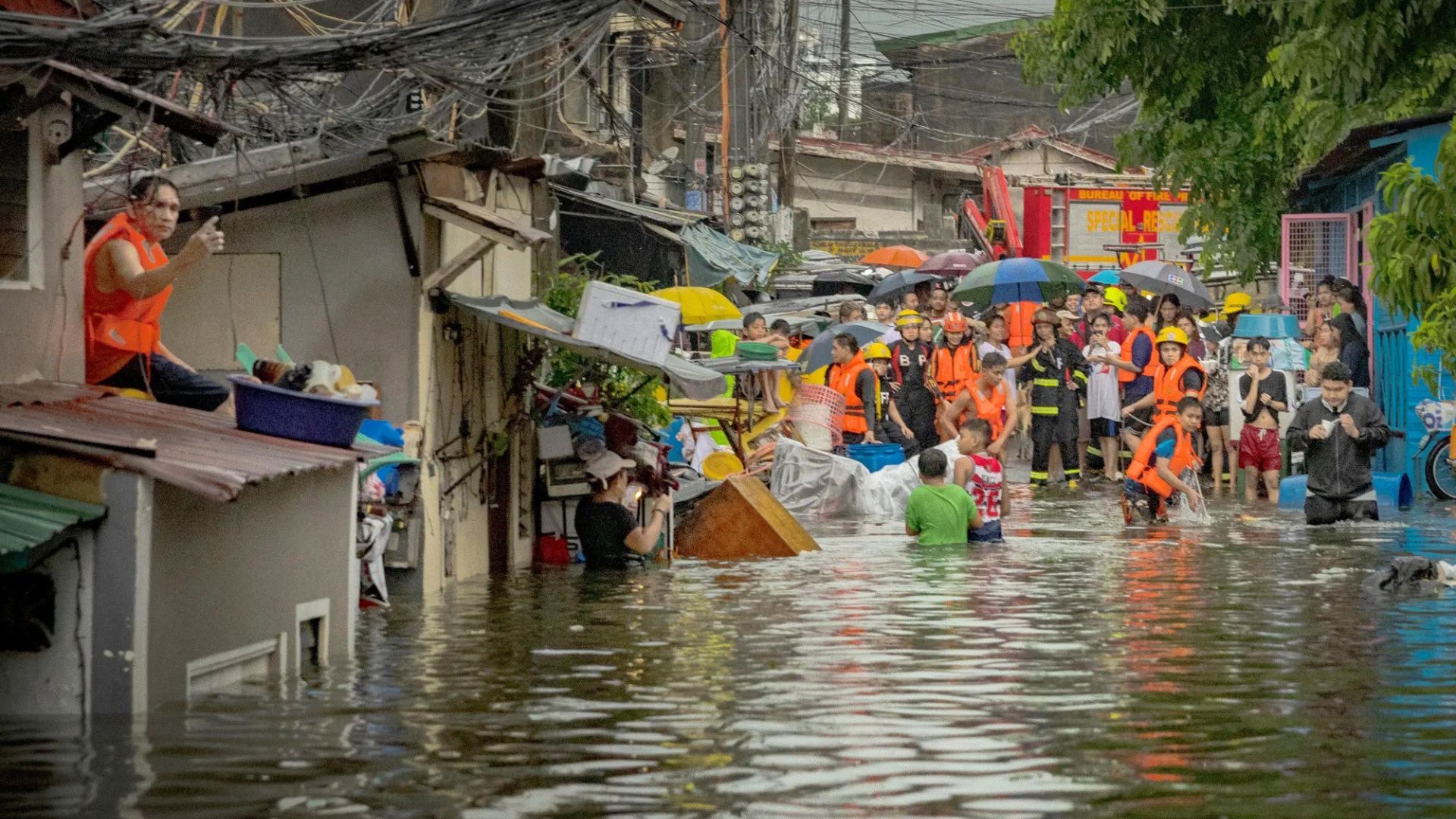
Photo courtesy: Bloomberg
MANILA, Philippines — The government released P14.02 billion in calamity funds from January to August, with most of the amount going to the Department of Social Welfare and Development (DSWD) for disaster response operations.
Data from the Department of Budget and Management (DBM) showed that the releases came from the National Disaster Risk Reduction and Management Fund (NDRRMF), which has total appropriations of P40.15 billion for 2026.
The amount released so far represents nearly 35 percent of the fund, leaving around P26.13 billion still available.
The DSWD received the largest share at P11.43 billion, or about 82 percent of total releases. Most of the amount was used to replenish the agency’s Quick Response Fund, which allows government agencies to immediately respond to disasters and emergencies.
The DSWD received six Quick Response Fund replenishments during the period, with each request ranging from about P1.72 billion to nearly P2 billion.
The agency also received P31.14 million for the repair and improvement of its Regional Disaster Response Command Center and warehouse at Clark Freeport Zone, as well as P13.64 million for two special-purpose vehicles for disaster operations in the Negros Island Region.
Meanwhile, the Department of Public Works and Highways received P1.85 billion, the Department of National Defense received P685.14 million, while the Department of the Interior and Local Government received P50 million.
The NDRRMF also includes allocations for disaster rehabilitation and reconstruction assistance to local governments and the People’s Survival Fund.
For 2027, the government is proposing around P45.67 billion for the NDRRMF, about 14.7 percent higher than the current year’s allocation. The fund is expected to support disaster response and serve as a fiscal buffer for climate-related events, including El Niño.
The Department of Environment and Natural Resources is also encouraging local governments to use a provincial climate risk diagnostic tool to identify hazards and vulnerabilities and improve climate adaptation planning.