Headline
UN warns climate change is accelerating sea-level rise in Pacific

Abi Sarabia M., Philippine Canadian Inquirer
September 02, 2026
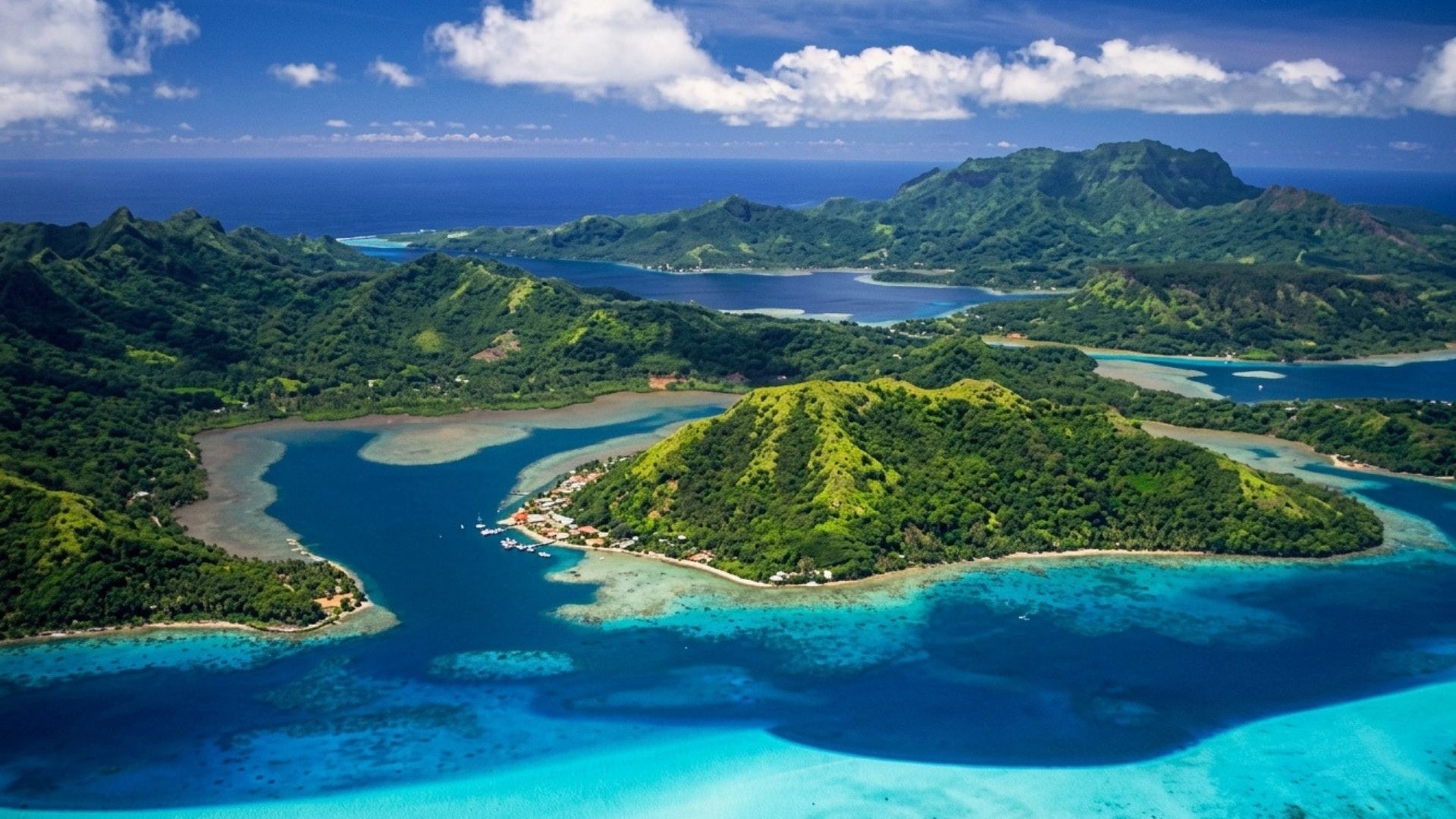
Photo courtesy: The Guardian
Climate change is accelerating the rise of sea levels and putting some Pacific island nations at risk of losing homes, communities and even habitable land, prompting the United Nations to call on world leaders to witness the crisis firsthand.
United Nations Deputy Secretary-General Amina Mohammed urged leaders of the world’s major economies to visit Pacific island nations, where communities are already confronting some of the most severe consequences of a warming planet.
The warning comes as a new UN report says sea-level rise is accelerating at an unprecedented rate in human history. As global temperatures increase, seawater expands while glaciers and ice sheets melt, adding more water to the world’s oceans.
“We do already know that a warming climate is changing the world’s ice at extraordinary speeds, not only threatening the communities below glaciers but adding more water to our oceans,” Mohammed said during the Pacific Islands Forum in Palau.
For Pacific island nations, the consequences are particularly serious. Rising seas threaten coastal communities, freshwater supplies, infrastructure, livelihoods and, for some low-lying countries, their long-term ability to remain on their land.
Tuvalu is among the countries on the front lines of the climate crisis. Much of the small island nation sits only slightly above sea level, forcing authorities to prepare for a future in which parts of the country could become increasingly difficult to inhabit. The UN says nearly half of Funafuti could experience flooding during monthly high tides by around 2050 to 2060 without sufficient protection.
The threat extends far beyond the Pacific.
According to the UN, sea-level rise and related climate impacts could contribute to the displacement of up to 1.2 billion people worldwide by 2050 if adequate adaptation measures are not implemented.
Mohammed also pointed to the deadly flooding in Nepal as part of a broader warning about the effects of a warming climate on the world’s ice.
While melting glaciers contribute to rising oceans, climate change is also reshaping conditions in mountainous regions where shrinking glaciers and unstable ice can create new risks for communities downstream.
For Mohammed, the climate crisis can be seen from both ends of the same problem: ice disappearing from the world’s mountains while water continues to rise around its islands.
The UN is now pushing for leaders of G20 economies to attend a meeting hosted by Tuvalu in October and make concrete climate commitments ahead of the next UN climate summit.
For Pacific nations, the message is increasingly urgent: climate change is no longer simply a projection of what could happen decades from now. For communities already facing rising seas, it is happening now.