American News
Trump rejects global taxes, ICC, and international AI controls in UN speech

ASM, Philippine Canadian Inquirer
September 25, 2026
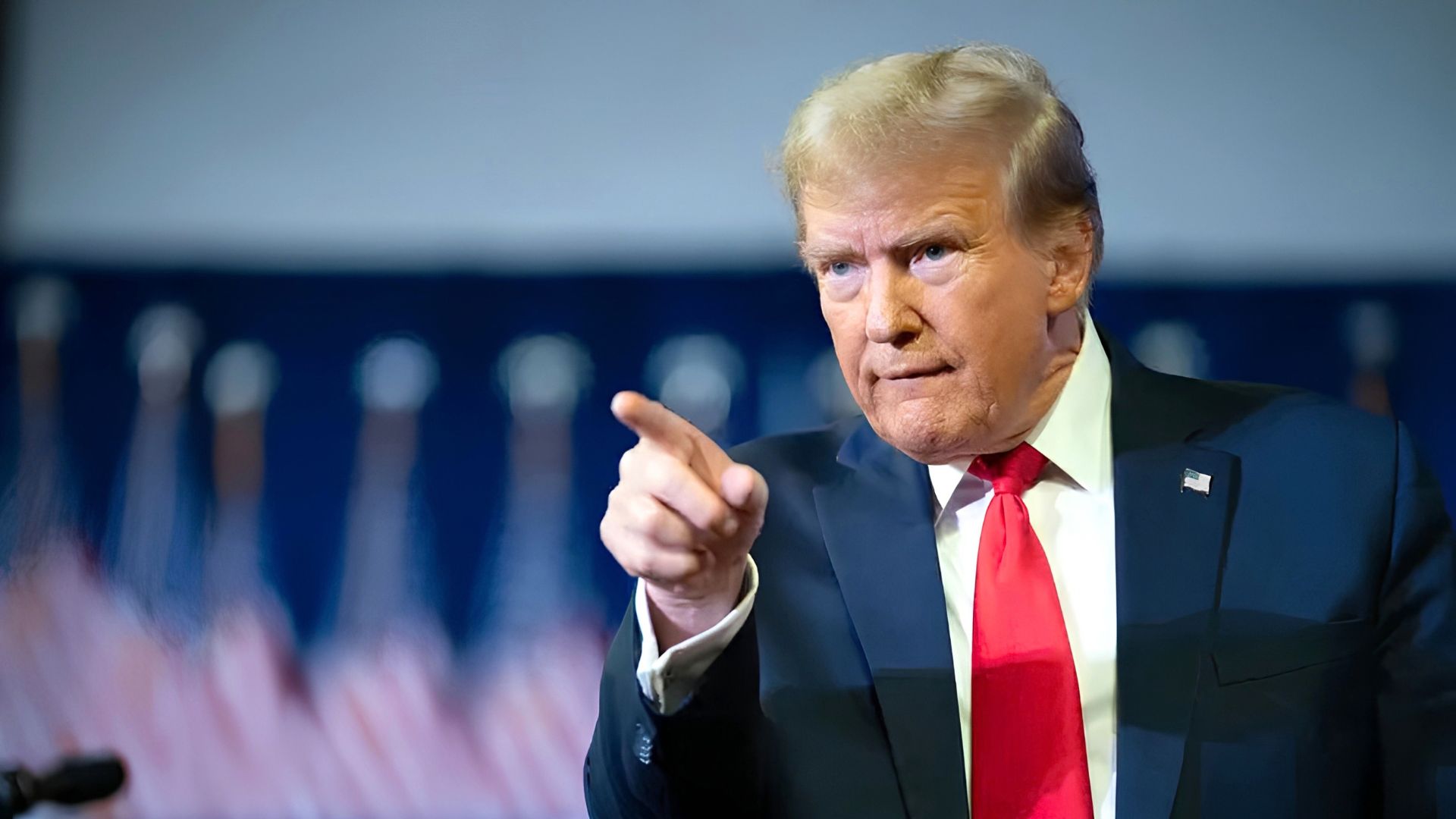
photo courtesy: The Seattle Times
UNITED NATIONS, New York — U.S. President Donald Trump used his address to the United Nations General Assembly to reject global taxation and international controls on artificial intelligence while sharply criticizing the International Criminal Court and migration policies.
Trump delivered the remarks before the 81st session of the UN General Assembly in New York on September 22, with national sovereignty emerging as a central theme of his speech.
“There is no global government,” Trump said, adding that there would be no global taxes while he is president.
Trump also criticized the International Criminal Court, describing it as an “out-of-control institution” and an “evil group of people.” He called on countries that are members of the ICC to leave the court.
The ICC is separate from the United Nations. Established under the Rome Statute, it is an independent permanent international court that has a formal relationship with the UN system.
Trump said the United States would not allow its service members to be subjected to proceedings before what he characterized as an anti-American tribunal without jurisdiction over the country. His statements reflected the position of his administration and his criticism of the court.
Migration was another focus of the address.
Trump criticized what he described as the promotion of mass migration and invoked UNESCO, the UN agency whose mandate includes protecting cultural heritage, in arguing that large-scale migration threatens national cultures.
He also declared that there was no “human right to illegal immigration” and said countries have a right to remain sovereign nations.
Trump further rejected efforts to establish international governance over artificial intelligence.
“The United States totally rejects any attempt to construct a globalist scheme of control” for AI, Trump said. He also said his administration would begin referring to artificial intelligence as “super intelligence.”
The remarks formed part of a broader speech in which Trump defended his administration’s policies and repeatedly emphasized U.S. sovereignty and resistance to forms of international governance that he said could limit national authority.