American News
Trump administration proposes $103,265 fee for H-1B skilled worker visas

Abi Sarabia M., Philippine Canadian Inquirer
August 26, 2026
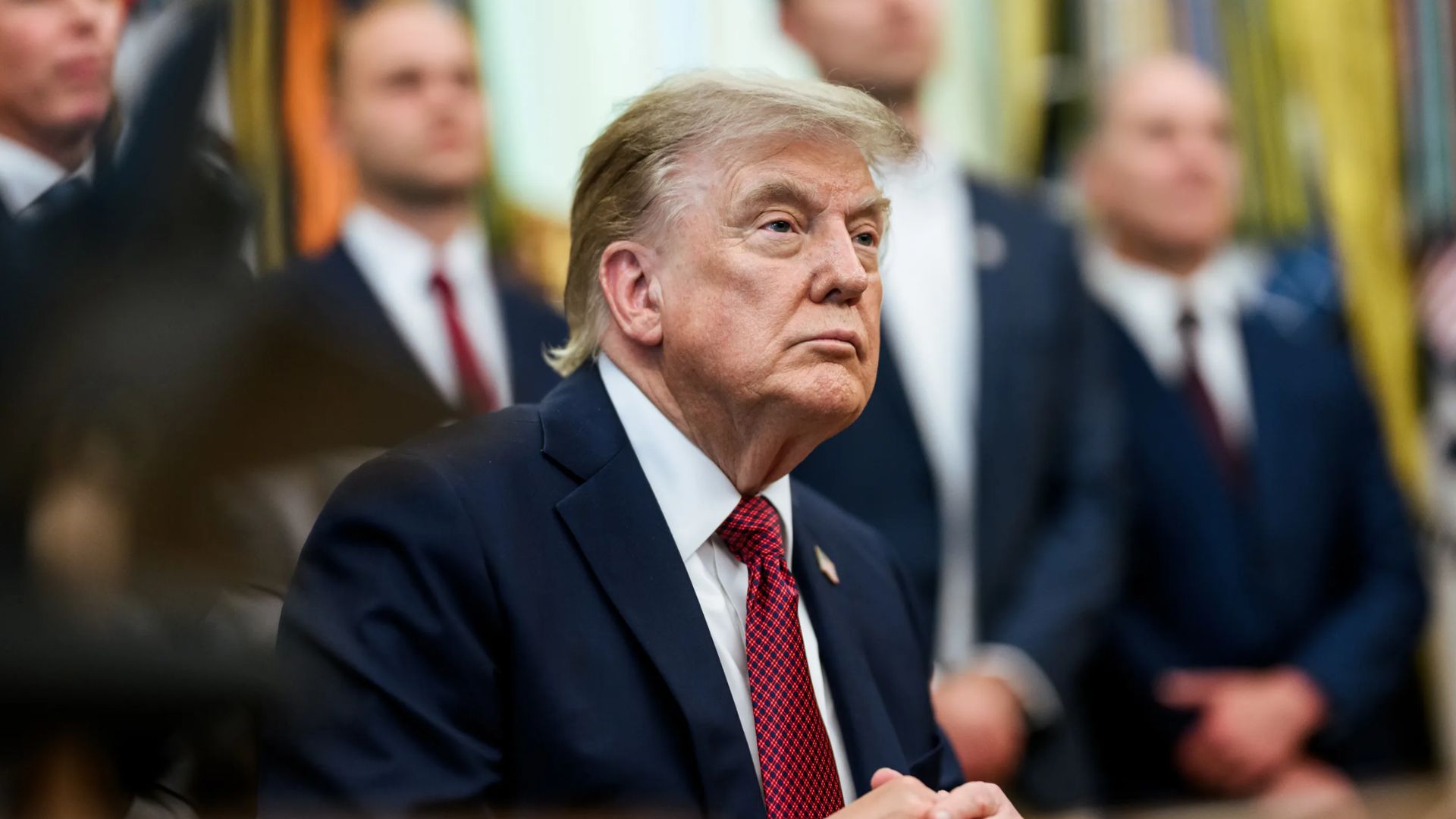
Photo courtesy: The White House
WASHINGTON, United States — The Trump administration has proposed charging employers more than $100,000 when hiring foreign workers under the H-1B visa program, renewing its push to tighten rules on skilled immigration after an earlier fee faced a legal setback.
Under a proposed rule announced Monday, employers filing H-1B cap-subject petitions would be required to pay an additional $103,265 fee. The Department of Homeland Security (DHS) said the charge would serve as a “revenue mechanism” to recover costs associated with administering the US immigration system.
The administration said the money would help cover costs incurred by agencies including US Citizenship and Immigration Services, Customs and Border Protection, and Immigration and Customs Enforcement.
The proposal also states that the higher cost could discourage companies from hiring foreign workers when qualified Americans are available.
The move follows President Donald Trump’s September 2025 proclamation imposing a $100,000 fee on H-1B petitions as part of an effort to address what his administration described as abuse of the visa program.
A federal judge blocked that fee in June following a lawsuit by 20 Democratic-led states, which argued that the charge amounted to an unlawful tax imposed without congressional approval. A separate federal judge had upheld the action in December 2025, finding that the president had broad statutory authority. That ruling is under appeal.
The newly proposed $103,265 fee would be separate from other applicable H-1B charges. The $100,000 fee imposed under Trump’s proclamation is scheduled to expire in September unless extended.
The proposal will undergo a 30-day public comment period before it can take effect and is expected to face legal challenges.
Congress established the H-1B program in 1990 to allow US employers to hire foreign workers for specialty occupations. The United States currently makes 85,000 H-1B visas available annually under the regular and advanced-degree caps.
Official data show that Indian nationals accounted for 70 percent of H-1B workers in fiscal year 2025, followed by workers from China at 12 percent. The Philippines, Canada and South Korea were also among the leading countries of origin.
Critics of the proposed fee warn that sharply increasing the cost of hiring H-1B workers could worsen labor shortages in industries that rely heavily on specialized talent, including information technology, engineering, education and medicine.