Canada News
Senate ratifies visiting forces agreement with Canada, New Zealand

Abi Sarabia M., Philippine Canadian Inquirer
August 12, 2026
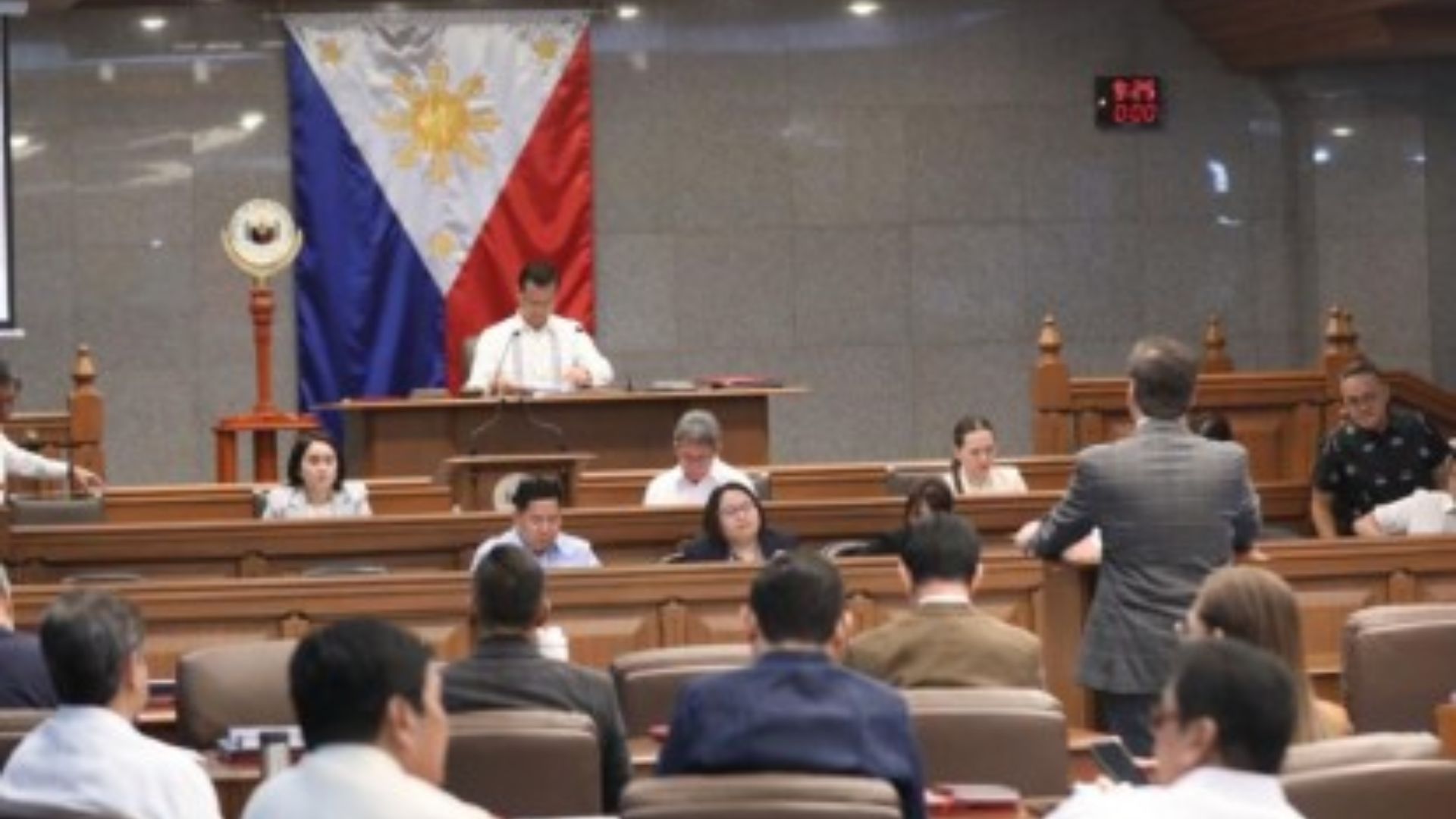
Photo courtesy: Philippine News Agency
The Senate has ratified a Status of Visiting Forces Agreement (SOVFA) with Canada, formally establishing a legal framework for military cooperation between the two countries and adding another layer to ties already shaped by the large number of Filipino workers living in Canada.
Nineteen senators voted on Tuesday, August 11, to approve Senate Resolutions No. 548 and 549, ratifying separate SOVFAs with Canada and New Zealand.
Senator Joel Villanueva said the agreements provide a legal basis for joint training and military exercises, and are intended to strengthen interoperability, coordination, and knowledge-sharing between the Philippines and its two partner countries.
“The SOVFA represents another important step in strengthening that partnership,” Villanueva said, adding that it gives “a clear legal framework for cooperative activities… including training and exercises while strengthening interoperability, military coordination, knowledge, transfer and cooperation between our two countries.”
Villanueva said implementation of the agreements would be bound by existing Philippine law.
“We welcome the safeguards provided in this Resolution to ensure that its implementation remains consistent with the Constitution and our laws and, most importantly, respects Philippine sovereignty, territorial integrity, and jurisdiction,” he said.
Meanwhile, Senate Majority Floor Leader Migz Zubiri linked the agreements to the Philippines’ broader relationship with Canada and New Zealand, pointing to the size of the overseas Filipino worker (OFW) populations in both countries as a factor in the Senate’s support.
“The SOVFA is not just about friendship, it’s also about love… I believe the largest drawing OFW populations are in New Zealand and Canada,” Zubiri said.
A Status of Visiting Forces Agreement typically governs the legal status of foreign military personnel operating in a host country, covering matters such as jurisdiction, entry and exit procedures, and the conduct of joint exercises.
The Philippines already maintains similar agreements with other defense partners.
The ratification comes as the Philippines continues to expand its network of defense arrangements with countries in the Indo-Pacific and beyond, a trend that has accelerated in recent years amid regional security concerns.