Headline
The Sobering Reality of Growing Old


Growing old brings a sobering reality: time is finite. You watch your body slow down, see your parents age, and your social circle shrinks as friends pass away. However, it also brings sharp clarity, fading trivial worries, and a deeper focus on what truly matters. Navigating later life presents unique, often unspoken challenges and unexpected shifts in perspective.
Growing old is a shared experience, yet it can evoke fear, sadness, and uncertainty. This is because it demands we embrace change. While there are sobering realities, there are also meaningful and hopeful ways people adapt. Often, they find greater peace and richness in later life. The goal isn’t to pretend ageing is easy. Instead, it’s to approach it honestly while choosing to stay engaged, loving, curious, and grateful.

Photos courtesy of Pexels.
Getting older brings with it four core concerns: health, loss, mobility, and perception of time. These represent the emotional and physical burdens of ageing. Acknowledging them directly is the first step toward managing the anxiety they cause.
Here’s a practical breakdown of how to face these specific realities:
Facing Health Concerns
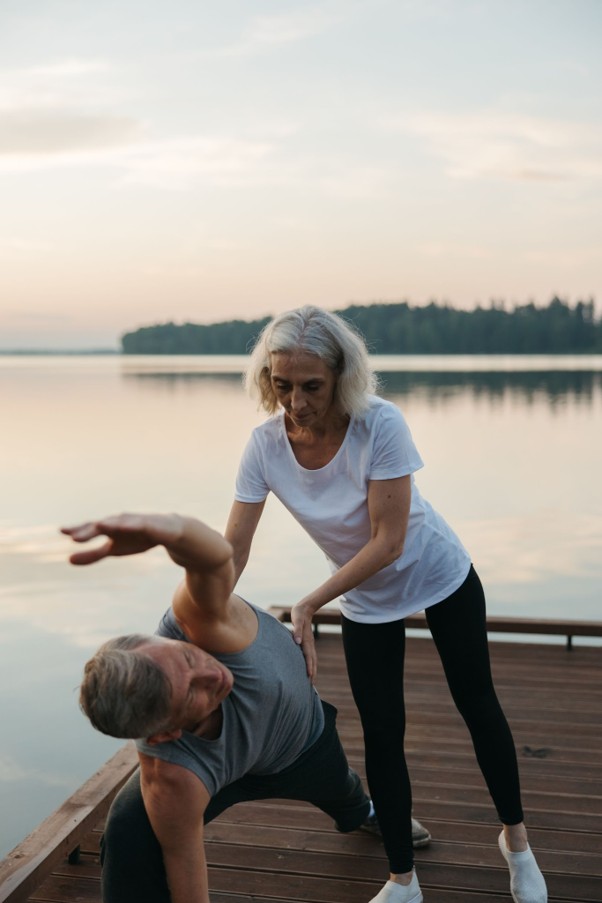
Our bodies change, even when our minds and spirits feel young. This can lead to declines in muscle mass, bone density, vision, hearing, metabolism, and recovery speed. Many people find this difficult because their sense of identity may have been tied to physical ability, appearance, or independence. The physical shift causes bodies to heal more slowly, senses to gradually diminish, and past injuries to often manifest as new, persistent aches. Maintaining health requires deliberate, ongoing effort.
Photos courtesy of Pexels.
How to face it:
Shift your focus from fighting your body to caring for it. This includes strength training, movement, good nutrition, sleep, regular medical checkups, and staying socially active. These factors can significantly improve your quality of life.
Anxiety about health often stems from a fear of losing control.
Here are more ways to address this:
- Focus on current vitals: You cannot control your genetics, but you can control daily habits like sleep, hydration, and nutrition.
- Build a proactive care team: Find a primary physician who listens to you and schedules regular, preventive screenings to catch issues early.
- Organize paperwork: Completing healthcare proxies and living wills removes the anxiety of medical uncertainty for you and your family.
Coping with Losing People
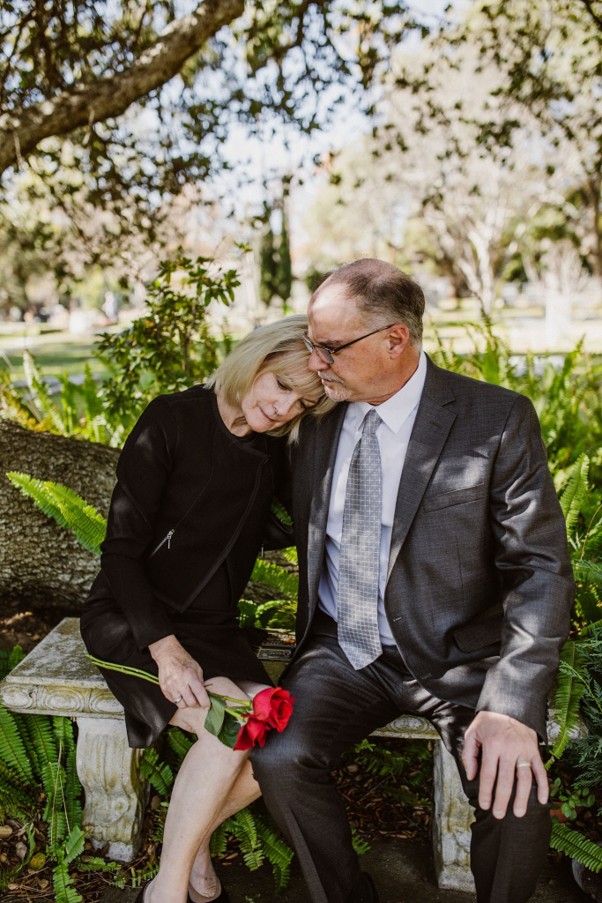
Ageing brings with it a painful reality: outliving friends, family, and peers. The world that once felt so permanent begins to unravel, leaving behind a sense of loss and isolation. Ageing can mean losing parents, friends, siblings, or even a spouse. Retirement can also bring about a loss of routine, purpose, or a professional identity.
Photos courtesy of Pexels.
How to face it:
Grief is the cost of meaningful relationships. Rather than avoiding attachment to prevent loss, many older adults find comfort in continuing to love, build friendships, share memories, and forge new connections. Outliving friends and family is a painful, inevitable part of a long life.
Here are more ways to address this:
- Expand your social circles: Cultivate friendships across generations, including younger people, to ensure a continuous support system.
- Deepen current bonds: Say the things you mean now; strong, intentional relationships provide emotional cushioning during times of grief.
- Seek community: Join local clubs, volunteer, or participate in group activities to combat isolation after a loss.
Managing Mobility Changes
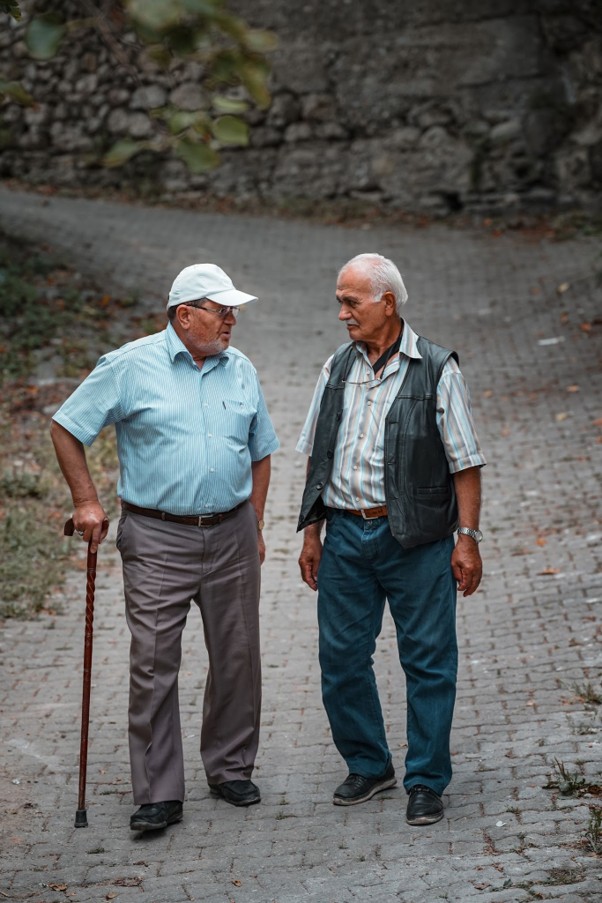
Losing independence due to physical limitations is a common, valid fear. Older adults often fear mobility challenges because movement is closely tied to independence, identity, safety, and overall quality of life. Losing mobility can feel like losing pieces of the life they’ve built. For many people, independence is deeply connected to dignity. Some older adults worry that others will see them as fragile or incapable once they use a cane, walker, or need assistance.
Photos courtesy of Pexels.
How to face it:
The encouraging reality is that mobility is not simply “use it or lose it.” Many aspects of strength, balance, and confidence can improve at older ages through:
- Walking regularly
- Good nutrition, especially enough protein
- Maintaining social connections
- Addressing vision, hearing, and medication issues that affect balance
Here are more ways to address this:
- Prioritize resistance training: Muscle mass keeps bones strong and prevents falls; focus on leg and core strength.
- Practice balance daily: Simple exercises like standing on one foot while brushing your teeth drastically reduce fall risks.
- Adapt your environment: Pre-emptively modify your living space with better lighting, removing tripping hazards, or installing handrails.
The Perception of Time
Routines create fewer distinct new memories, which makes years feel like they’re speeding up. This forces a mathematical reckoning with the future, leading people to be much more selective about how and with whom they spend their time. Time feels more precious. Many people report that as they get older, years seem to pass faster. This can create urgency: “Did I make the most of my life?” Feeling like time is slipping away is a common human experience.

Photos courtesy of Pexels.
How to face it:
Instead of focusing only on time running out, focus on being present. Small moments — a meal with loved ones, a walk, a conversation, laughter — often become more valuable. To combat this, it’s helpful to shift your focus from the scarcity of time to the intentionality of how you spend it. Shift your focus from time management to energy management. Identify which tasks and people energize you and which drain your energy, then allocate your time accordingly.
Here are more ways to address it:
- Embrace the present. Anxiety about time slipping away often stems from worries about the future. Practicing mindfulness or meditation can help ground you in the here and now, calming that sense of urgency.
- Define your core values. Clarify what truly matters to you right now. Aligning your daily actions with these deeply held values creates a sense of purpose, making time feel meaningful rather than wasted.
- Practice radical prioritization. Accept that you can’t do everything. Use frameworks like the Eisenhower Matrix to distinguish between truly urgent and important tasks and the noise.
What contributes to healthy ageing?
Research consistently highlights several key themes:
- Strong relationships: Close friendships and family bonds are among the strongest predictors of well-being in later life.
- Purpose: Having a sense of contribution, whether through volunteering, hobbies, caring for others, learning, or creating, supports mental health.
- Physical activity: Staying active protects mobility, mood, and independence.
- Curiosity: Learning new skills keeps the mind engaged.
- Acceptance: Those who embrace change tend to experience less suffering than those who constantly resist it.
Photos courtesy of Pexels.
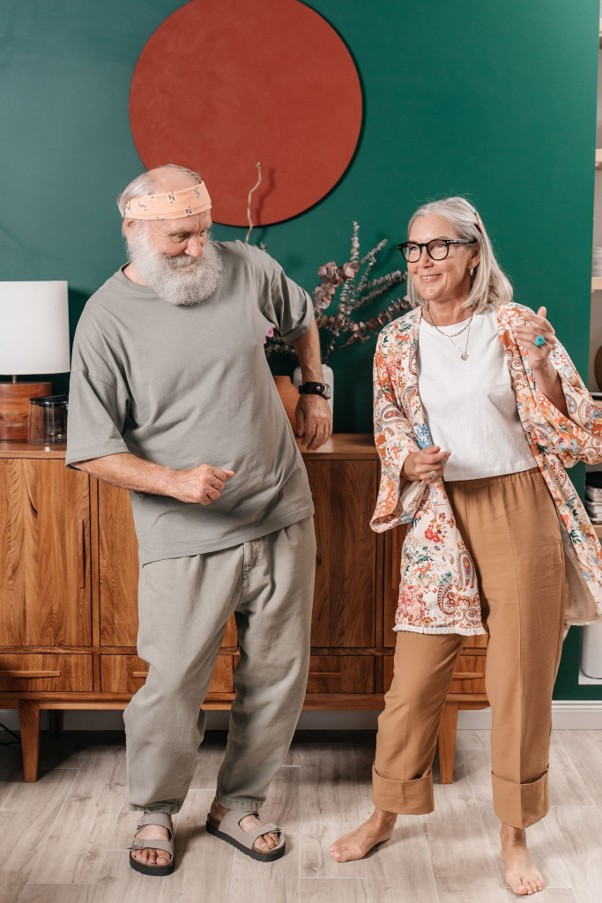
Many older adults share a powerful perspective: ageing isn’t just about losing things. It can also bring:
- Less concern about others’ opinions
- Greater appreciation for everyday moments
- Deeper gratitude
- More emotional wisdom
- Clearer priorities
- Stronger understanding of what truly matters
I’ll leave you with these powerful words about ageing, “Add life to your years, not just years to your life.”