Canada News
Half of Indigenous children live in poverty, above national rate, study says

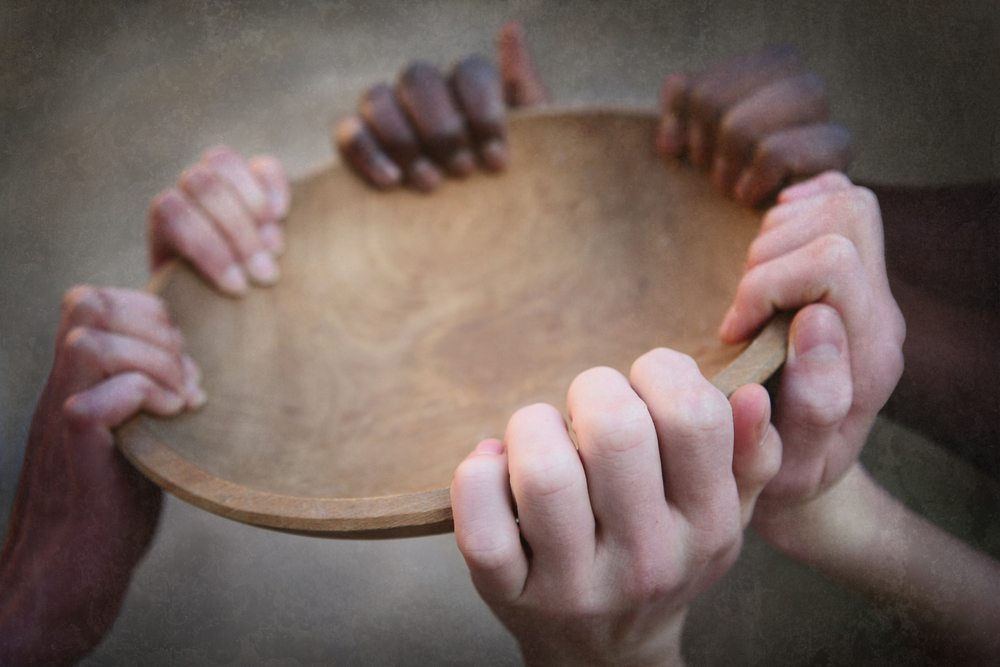
What the premiers were told is that overall, 47 per cent of First Nations children live in poverty, more than two-and-a-half times the national rate. (Shutterstock Photo)
OTTAWA — The worst child-poverty problem in the country was dropped in the laps of the country’s premiers on Tuesday, as the Assembly of First Nations presented them with new numbers to show about half of Indigenous children live in poverty — just as they did a decade ago.
AFN National Chief Perry Bellegarde used the study, written by researchers at the AFN and the Canadian Centre for Policy Alternatives, to underscore the need for governments to invest in First Nations communities as the country’s premiers gathered in Saskatchewan for an annual meeting.
What the premiers were told is that overall, 47 per cent of First Nations children live in poverty, more than two-and-a-half times the national rate.
That figure rises to 53 per cent when looking at First Nations children living on reserves, or four times the rate for white children.
“Canada is not tracking First Nations poverty on-reserve so we did,” Bellegarde said.
“Our children face the worst social and economic conditions in the country. They deserve an opportunity to succeed.”
Official poverty statistics don’t examine the situations on reserves except during census counts. Not tracking these figures, the study says, may muddle the statistics nationwide — particularly when the Liberals have linked historic reductions in child poverty to their policies since coming to office in 2015.
Compounding the issue is that the Liberals’ newly adopted national poverty line, which is used to track the effectiveness of the government’s poverty-reduction plan, isn’t calculated on reserves — an issue the AFN has raised with the government.
So the researchers did the calculations themselves with help from the statistics office.
Poring over data from the 2006 and 2016 census counts, the researchers found that poverty rates barely budged downward for most Indigenous communities. At the same time, the number of children on reserves stayed stagnant, so it’s not a matter of growing populations outstripping social programs and economic growth.
The 2016 census showed the Indigenous population had an average age nearly a decade younger and a higher fertility rate than the non-Indigenous population.
Daniel Wilson, one of the authors of the report, said that young, growing cohort will face new challenges as they age unless the poverty situation changes now.
“What we’re looking at is 10 to 15 years from now, people entering the workforce with all of the disadvantages that poverty brings — in terms of health, in terms of mental clarity and acuity, in terms of opportunity, especially,” said Wilson, a non-status Mi’kmaq and special adviser to the AFN.
“They’ll be carrying all of those disadvantages … and will have that much more to overcome as a significant part of the emerging labour force.”
There were, however, some exceptions. On-reserve child-poverty rates in Quebec, for instance, were the lowest in the country in 2016, largely as a result of agreements with First Nations governments to share revenues from natural resources.
Quebec Premier Francois Legault told reporters before meeting with Bellegarde that education is key to keeping poverty rates low.
“It’s important to make arrangements in order that they get all the support they need for education and as young as possible because the drop-out rates are … too high,” he said.
Several cities have also seen drops in Indigenous child-poverty rates, including Saskatoon, Winnipeg and Edmonton, even though overall they still remain well above the national average.
The study suggests that the high rates of poverty on reserves may be driving young people to cities — a place where Indigenous Peoples are over-represented among the homeless population.
Affordable-housing advocates on Tuesday called on federal parties to commit to closing gaps in the Liberals’ decade-long national housing strategy, specifically for urban and rural Indigenous people, for whom the child-poverty rate is 41 per cent, according to the study.
In a report last month, the parliamentary budget office said that federal funding for off-reserve Indigenous households over the next 10 years amounted to half of what had been provided in the previous decade.
“Clearly this is a gap that needs to be filled by the parties in their election platforms and whomever forms the next government,” said Jeff Morrison, executive director of the Canadian Housing and Renewal Association.