
Schools know sharing sex ed lessons with parents is vital – it’s something they already do

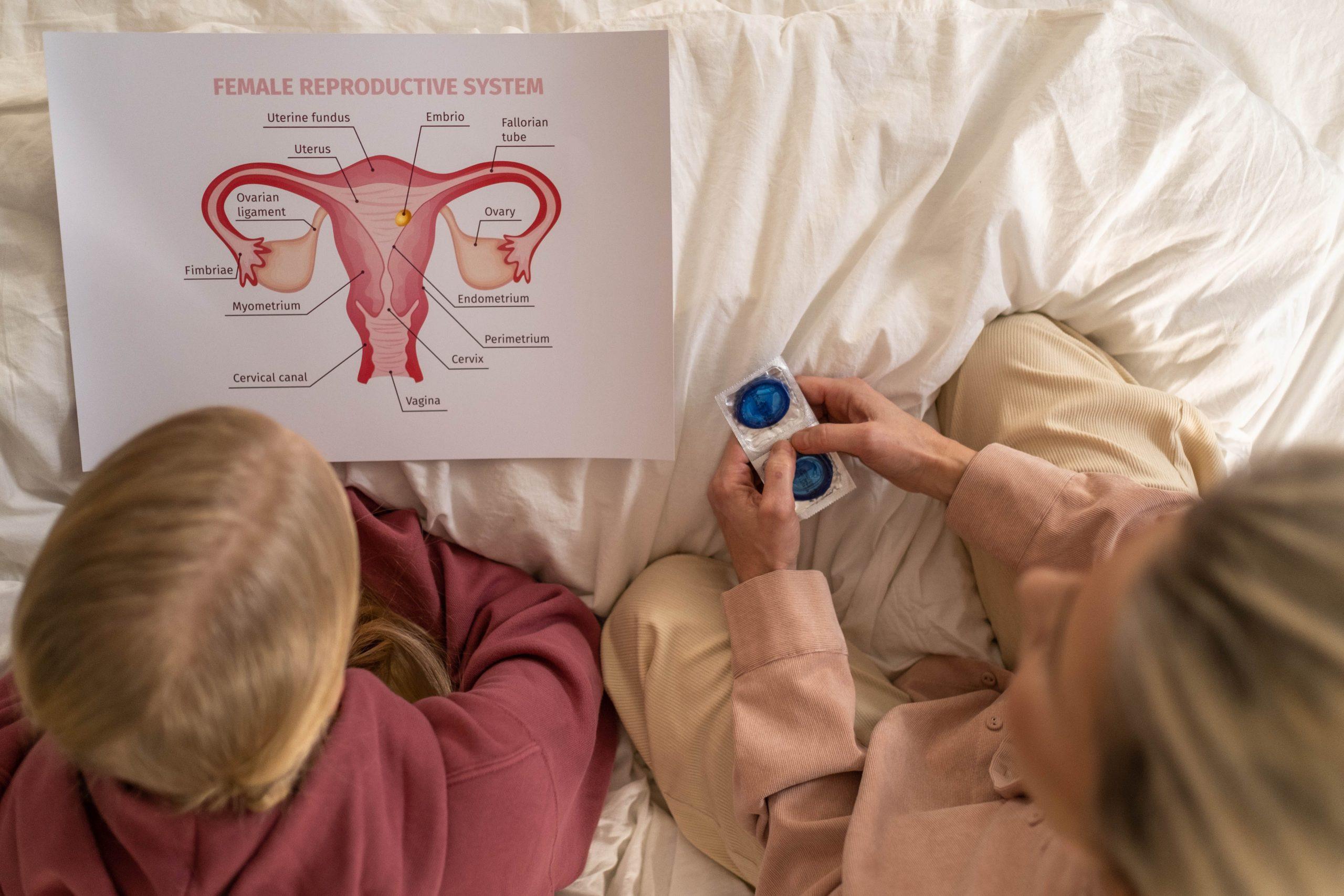
In another letter, this time to parents and carers, she outlines that they have a “fundamental right” to know what is being taught in RSHE sessions. (Pexels Photo)
The education secretary Gillian Keegan has written to schools in England stating that they should be sharing relationships, sex and health education (RSHE) teaching materials with parents and carers, even if copyright contracts with external providers of school resources appear to prevent them from doing so.
In another letter, this time to parents and carers, she outlines that they have a “fundamental right” to know what is being taught in RSHE sessions.
Keegan is right. Parents should know what their children are being taught – and parental involvement, particularly with subjects such as sex education, is vital. But the letters appear antagonistic and seem to imply that schools are not sharing what goes on in RSHE classes with parents. In reality this could not be further from the truth.
Key role of parents
Many years of robust educational research indicates that parents and carers are vitally important in the education of their children and young people – for all subjects. This is especially pertinent for sex and relationships education.
The 2019 statutory guidance for RSHE outlines that, alongside children and young people, parents and carers should also be involved:
All schools must have in place a written policy for relationships education and RSE. Schools must consult parents in developing and reviewing their policy. Schools should ensure that the policy meets the needs of pupils and parents and reflects the community they serve.
Parents requesting to see sessions and curriculum plans should be welcomed. Nevertheless, how this is done does need some thought. Putting materials online on a “parent portal”, as Keegan suggests, risks making them available without the context which is provided by a discussion with a teacher. This may skew understanding of what is being taught.
It is much more beneficial to talk with parents and carers who have concerns. Then, teachers can explain the rationale for sessions, why they are being taught, and the benefits to the wellbeing of children and young people.
As advocated by expert organisations such as Brook, the Sex Education Forum and the PHSE Association, sharing RSHE sessions and curriculum plans with parents is not only a statutory obligation but it also provides opportunity to bridge the educational gap between home and school.
Schools are aware that it is hugely beneficial for them to work with parents and carers – especially when teaching children and young people topics that are deemed sensitive. This reduces the chance of mixed messages about what is being taught. Engaging with parents can only be a good thing in these circumstances to ensure that children and young people receive a holistic approach to this vitally important subject area.
The problem schools often come up against is getting parents involved in the first place. This is due to a number of different factors that inhibit parental engagement with schools, such as time constraints.
When it comes to relationships and sex education in particular, some parents and carers may be concerned about what their children are being taught. And this is both OK and understandable.
There are many stigmas around talking about sexuality and relationships. Talking about sex often evokes feelings of shame and worry.
Tools for teen life
Many parents and carers are also often concerned that children and young people are too young to learn about sex. But teaching about sex early is about protecting children. Research tells us that young people who have good relationships and sex education from an early age are more likely to delay having sex. Good relationships and sex education can also help children and young people who are being abused to recognise this earlier, rather than later.
Many children and young people will be getting their information about relationships and sex from places outside lessons – such as from porn. A recent survey of teens found that more than half had seen porn by age 13.
Good relationships and sex education allows children to better deal with experiences like this. It might sound worrying to hear that your child is learning about porn at school – but this is education that will help them.
A good RSHE curriculum is moulded by teachers, students, governors and the local community, alongside parents and carers: everyone listening and working together. This is something schools are already well aware of.
Sophie King-Hill, Associate Professor at the Health Services Management Centre, University of Birmingham
This article is republished from The Conversation under a Creative Commons license. Read the original article.




















