Headline
New single-use plastic ban takes effect in England – here’s why its impact may be limited

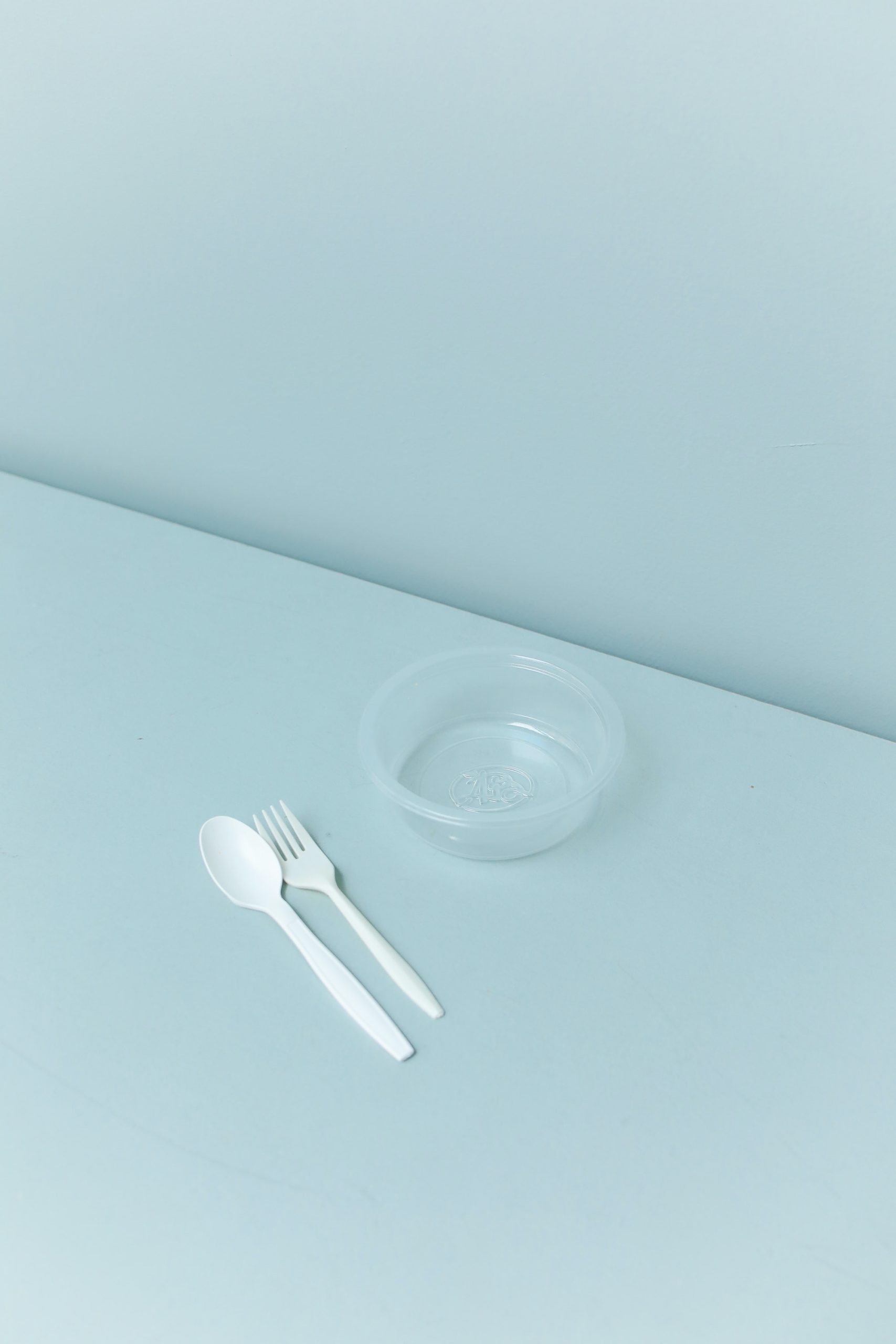
A new ban prohibits businesses in England from selling some single-use plastic products. (Pexels Photo)
Single-use plastic and packaging has become an essential part of our lives. In the UK, households collectively throw away an estimated 100 billion pieces of plastic packaging each year.
One way to reduce the amount of plastic we use is to introduce bans. In 2020, the UK government banned the sale of several single-use plastic products in England including straws, stirrers and cotton buds – but with exceptions for medical use.
Now, in an effort to further combat plastic pollution, a new ban has been introduced. From October 1 2023, businesses in England are prohibited from selling several other single-use plastic products including plastic cutlery, balloon sticks and polystyrene cups.
But what will this ban actually change, and how effective is it likely to be? At the University of Portsmouth’s Global Plastics Policy Centre, we have reviewed more than 40 bans on plastic items to understand what makes such a policy successful.
What will the ban change?
People in the UK will no longer be able to buy single-use plastic plates, bowls and trays, unless they come with prepared food. Plastic cutlery and balloon sticks should disappear entirely. Plastics that are particularly difficult to recycle like polystyrene cups also have stricter rules, but with a few exceptions too.
We will probably see a shift away from the familiar polystyrene containers used by takeaways towards alternative materials. These new containers could be made from biodegradable materials (which are difficult to define and can also have an environmental impact), or from other types of potentially harmful single-use plastic.
The new ban also doesn’t cover single-use plastic packaging. Shoppers are therefore unlikely to notice significant changes in supermarket aisles selling prepared fruit and vegetables, ready meals, pre-packaged salads and snacks.
This is concerning. Single-use plastic packaging is one of the leading sources of plastic pollution in the UK.
How effective will the ban be?
The new ban is a step towards tackling the impacts of pollution caused by single-use plastics. It’s an easy and quick win that raises awareness about the plastic crisis and garners public support. However, for such a ban to be genuinely effective, several key elements must be in place.
A policy must have specific, clear and measurable objectives, along with a mechanism for monitoring progress. This ensures that those affected understand the ban’s purpose and how its progress will be assessed, while also promoting accountability.
The government’s new ban lacks any specific or measurable objectives. And there is no mechanism for monitoring.
There should be provisions for sustainable alternatives to single-use plastics that are less harmful to the environment and human health. But the government has provided no guidance on the alternatives businesses can use.
Failing to provide viable alternatives can simply displace the problem instead of addressing it. Under the new rules, businesses are responsible for working out what complies and whether it is economically viable. This approach does little to discourage reliance on single-use materials.
Supporting initiatives that encourage a transition towards using reusable packaging for pre-packaged food and takeaways would have more impact on decreasing the need for new plastic production. This, in turn, would combat plastic pollution and align with goals to reduce greenhouse gas emissions.
Improving awareness
Engaging businesses from the outset can generate buy-in and support for a ban. According to the Department for Environment, Food and Rural Affairs, the UK government has worked closely with industry, trade bodies and local authorities to prepare businesses and promote compliance. For example, businesses were given several months after the consultation on the ban to prepare and use up excess stock.
However, this engagement may not have been successful. Many businesses have claimed they were unaware of the new regulations.
Adequate public awareness is also necessary to ensure everyone understands the reasons behind the ban, how it affects them, and what the available alternatives are. In Rwanda, where a ban on plastic bags was introduced in 2008, announcements were made on airlines and at ports of entry to inform visitors.
In a similar way, the UK government’s recent ban is accompanied by official guidance explaining the ban’s implications. But the ban also includes numerous exceptions which could be confusing for businesses and customers.
Our research suggests that bans are most effective when part of a wider set of policies that address every stage of the plastic lifecycle, rather than being isolated measures. The ban in England does not restrict the production, import or export of single-use plastic items, allowing them to be manufactured and shipped abroad.
Additionally, the numerous exemptions and limited range of items covered mean the ban is insufficient to tackle wider plastic pollution issues, such as single-use plastic packaging, cigarette butts and actual balloons (as opposed to just balloon sticks).
Single-use plastic bans can help to remove problem plastics. But, to make any real difference, they require access to reusable alternatives, strong communication to businesses and users, and must be supported by a wider framework of policies that change our relationship and dependence on single-use plastic.
Any progress towards ending plastic pollution is positive. However, the new ban has to be seen as merely the first step in addressing a fraction of a continually expanding problem. The UK government can enhance its bans by targeting the most significant contributors to waste – single-use plastic packaging would be a good place to start.
Don’t have time to read about climate change as much as you’d like?
Get a weekly roundup in your inbox instead. Every Wednesday, The Conversation’s environment editor writes Imagine, a short email that goes a little deeper into just one climate issue. Join the 20,000+ readers who’ve subscribed so far.
Antaya March, Lead Researcher – Global Plastics Policy Centre, University of Portsmouth; Cressida Bowyer, Associate Professor in Arts and Sustainability, University of Portsmouth, and Keiron Roberts, Senior Lecturer in Sustainability and the Built Environment, University of Portsmouth
This article is republished from The Conversation under a Creative Commons license. Read the original article.