
Canada News
Rival all Alberta Indigenous coalition sets sights on Trans Mountain pipeline

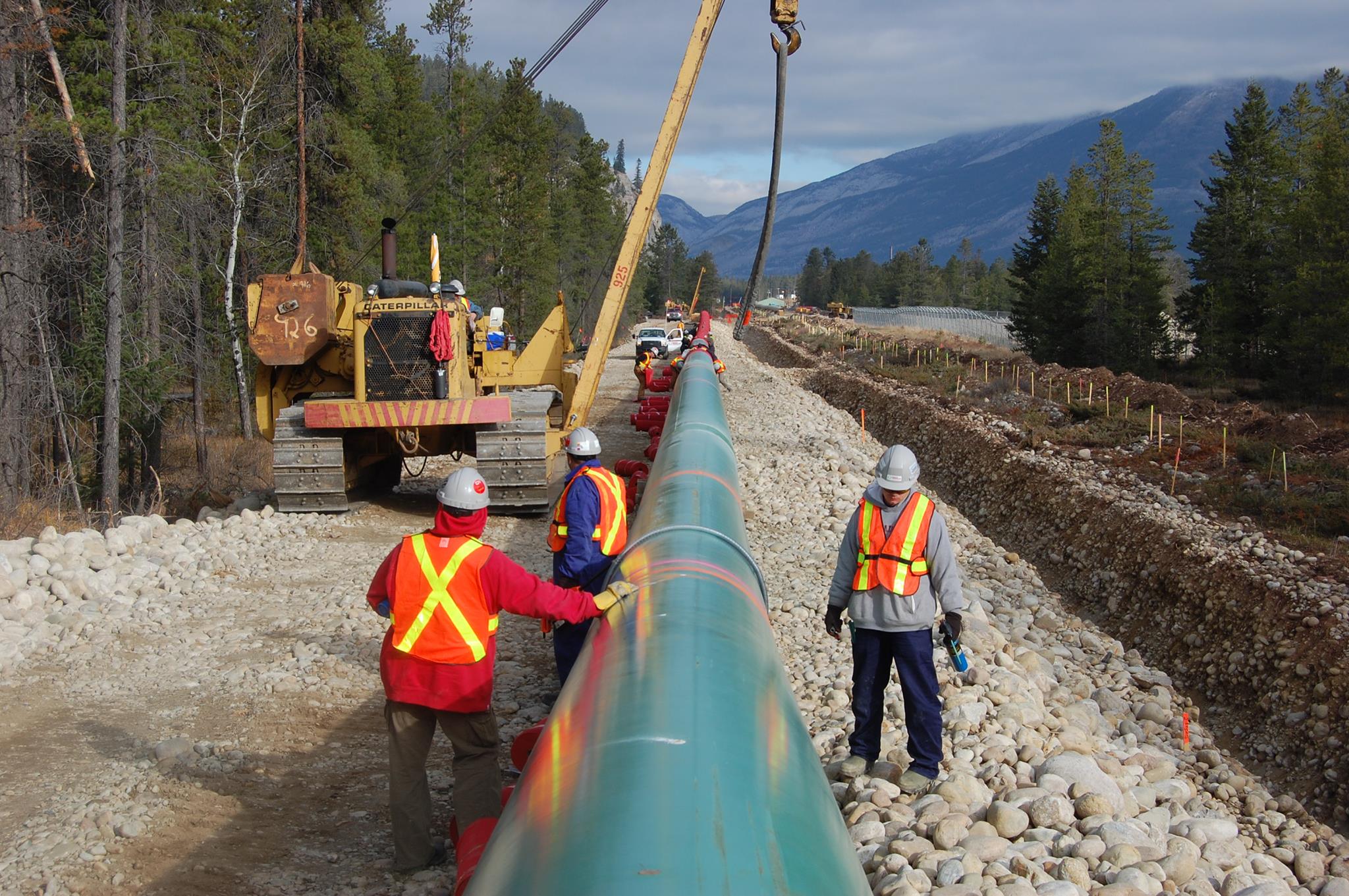
Iron Coalition said it will distribute 100 per cent of its share of Trans Mountain earnings to each member community based on ownership and population if it succeeds in buying a stake. (File Photo: Trans Mountain/Facebook)
CALGARY — Indigenous competition for the right to buy an equity stake in the Trans Mountain pipeline system is heating up, with an Alberta group announcing Wednesday it intends to assemble a province-wide coalition of supporters.
Iron Coalition said it has formally invited 47 First Nations and about 60 Metis organizations in the province to sign up for the effort, which was endorsed by the Alberta-based Assembly of Treaty Chiefs last fall.
The initiative puts it on a potential collision course with Project Reconciliation, a consortium inviting Indigenous participation from B.C., Alberta and Saskatchewan in a $6.8-billion bid for a 51 per cent stake in the energy pipeline linking Edmonton and the West Coast.
“The Alberta chiefs are mandated and speak within the territory of Alberta and so, initially, that’s where we began,” said Iron Coalition co-chairman Tony Alexis, chief of the Alexis Nakota Sioux Nation located 85 kilometres northwest of Edmonton, in an interview.
“Our hope is that the Indigenous communities in B.C. will follow our lead and build a similar coalition and then together we can approach the federal government to negotiate the best deal possible.”
Iron Coalition said it will distribute 100 per cent of its share of Trans Mountain earnings to each member community based on ownership and population if it succeeds in buying a stake.
That differs from Project Reconciliation’s plan, announced last week, to direct 20 per cent of Trans Mountain’s estimated $180 million in future annual cash flow to shareholder communities while the rest would be used to create a sovereign wealth fund.
The fund would be reinvested in projects like renewable energy generation, energy-efficient on-reserve housing and other climate friendly initiatives.
Iron Coalition can’t provide any financial details of its plan because the Trans Mountain expansion project hasn’t been approved, its costs are unknown and it’s unclear how the federal government will structure a sale of the pipeline, Alexis said. He said the group could seek an equity stake of between 50 and 100 per cent.
Delbert Wapass, executive chairman and founder of Project Reconciliation, applauded the Iron Coalition decision to bid and said he expects more bidders to emerge, adding that if Project Reconciliation’s proposal is chosen, it would invite supporters of rival Indigenous bids to come aboard.
“I think it clearly demonstrates the excitement among First Nations that they are actually going to be included as players in the bid for the Trans Mountain pipeline,” the former chief of Saskatchewan’s Thunderchild First Nation said in an interview.
“When I started this whole campaign for our 51 per cent majority bid on Trans Mountain, it was about including everybody — I still believe that’s the right decision because many of our communities are affected by poverty … we have been economically starved.”
He said his group has been signing up supporters but wouldn’t say how many or if any are in Alberta.
The Western Indigenous Pipeline group, a coalition of B.C. bands who live along the pipeline expansion route, has also indicated it wants to bid for an equity stake in Trans Mountain.
Federal Finance Minister Bill Morneau has said Ottawa won’t negotiate the sale of the pipeline it bought for $4.5 billion last summer until after construction of its proposed expansion is “de-risked,” without specifying what that means.
The government is to make a final decision on whether the expansion can proceed by June 18.
It was forced to reconsider its previous approval last year when the Federal Court of Appeal found there was inadequate consultation with affected Indigenous peoples.
Iron Coalition met with Morneau earlier this year, but Wapass said he doesn’t think that gives it any advantage over Project Reconciliation.
In May, the Union of B.C. Indian Chiefs warned First Nations in an open letter that they should rethink investing in the pipeline because it faces many hurdles, including Indigenous land claims, and it is unlikely to be as profitable as the government says.
But Wapass said his group stands by its projections.
He said ownership will allow Indigenous groups to better protect the environment in which the pipeline operates.
Iron Coalition is co-chaired by Chief Calvin Bruneau of the Edmonton-area Papaschase First Nation and president Ron Quintal of the Fort McKay Metis in northern Alberta.




















