Headline
Palace says no final deal on Trump’s 100% US imports claim, stresses cheaper alternatives

ASM, Philippine Canadian Inquirer
November 25, 2026
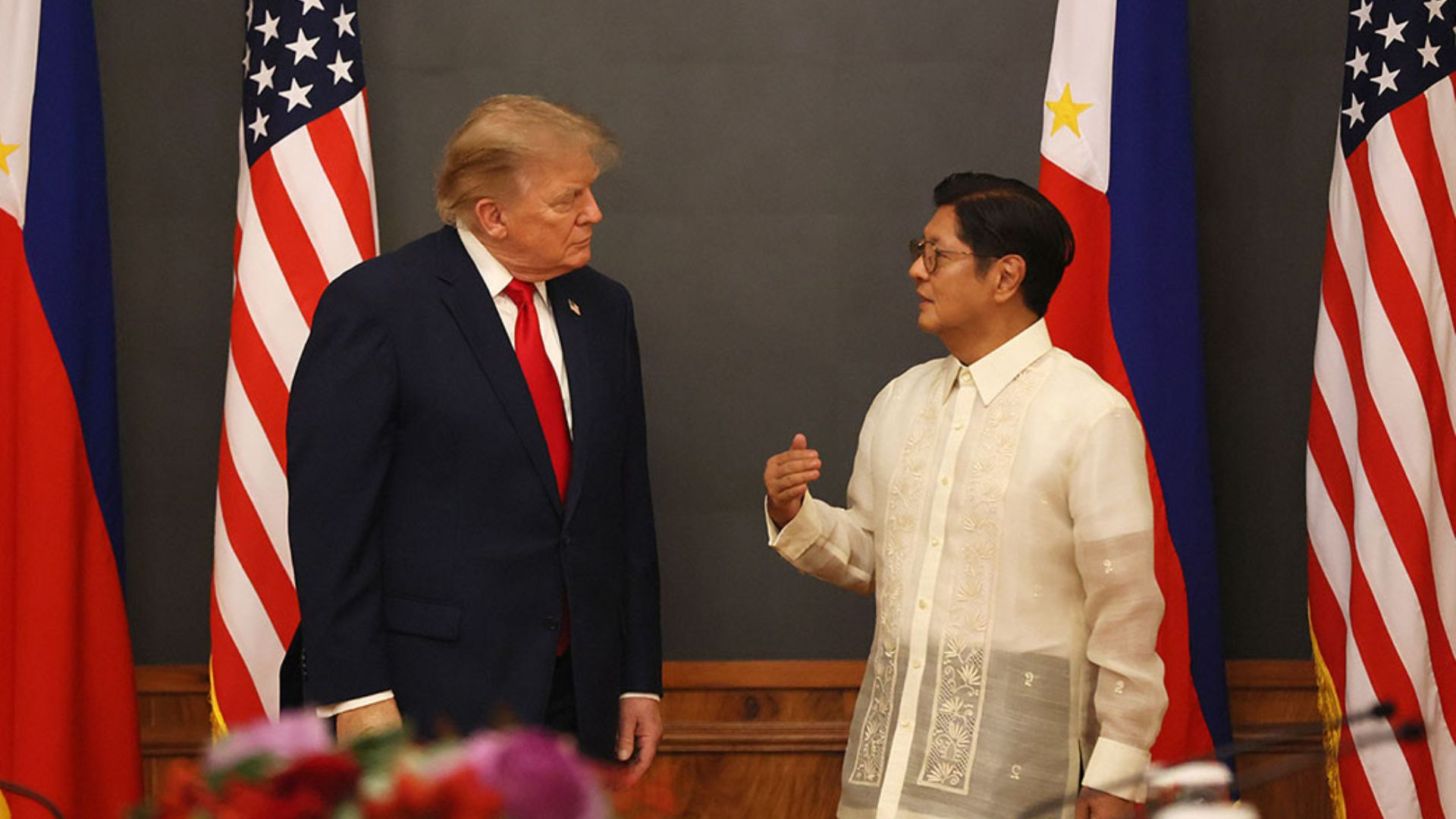
Photo courtesy: BusinessWorld Online
The Philippines has not committed to purchasing all its imported agricultural and energy products from the United States, Malacañang clarified, as officials emphasized the importance of affordable prices and maintaining multiple sources of essential supplies.
Palace Press Officer Claire Castro said on November 24 that negotiations with Washington were still in their preliminary stages, with neither country having finalized specific trade terms or an implementation schedule.
The clarification followed US President Donald Trump’s claim that President Ferdinand Marcos Jr. had agreed to source 100% of the Philippines’ agricultural and energy imports from American suppliers beginning January 1, 2027.
Philippine officials have since stressed that any arrangement must protect domestic consumers, support food and energy security, and provide economic benefits to the country.
Import decisions to depend on prices and supply
Malacañang said the government would consider buying a particular imported commodity entirely from the United States if American suppliers offered the most competitive prices.
However, that possibility does not amount to a commitment to rely exclusively on US products.
Castro explained that purchasing decisions would depend on the type of commodity, its cost and the availability of alternative suppliers.
Executive Secretary Ralph Recto likewise questioned the feasibility of sourcing all Philippine food and energy imports from one country.
Speaking to reporters at the Senate, Recto said complete dependence on American suppliers was unrealistic, emphasizing that the Philippines must continue diversifying its import sources.
He welcomed opportunities to strengthen commercial ties with Washington, particularly if American products could be obtained at lower prices.
Agriculture Secretary Francisco Tiu Laurel Jr. also supported purchasing competitively priced American farm products while maintaining relationships with other trading partners.
He cited wheat and soybeans as examples of products the Philippines imports because domestic production cannot fully meet demand.
The agriculture chief emphasized that maintaining multiple suppliers is important for protecting the country’s food security.
DFA seeks clarification from Washington
The differing descriptions of the proposed arrangement have also prompted questions about the status of negotiations.
During Senate deliberations on the Department of Foreign Affairs’ proposed 2027 budget, lawmakers questioned whether the agency had been properly consulted before Trump’s announcement.
Senator Erwin Tulfo said the DFA was coordinating with US officials to clarify the President’s remarks.
He also indicated that the Department of Trade and Industry and the Department of Agriculture would examine the economic implications of the proposal.
Senator Imee Marcos raised concerns about the absence of prior consultation with foreign policy officials, particularly given the potential consequences for Philippine trade and national security.
The issue emerged following Trump’s November 18 visit to Manila, during which he met with President Marcos for bilateral discussions.
Although Trump described the outcome as a major trade agreement, Philippine officials have maintained that the talks did not produce finalized terms covering the exclusive purchase of American agricultural and energy products.
Castro said the leaders had agreed to accelerate discussions between their respective representatives rather than settle the details of specific transactions.
Energy purchases remain under negotiation
The Department of Energy (DOE) has also clarified that no final arrangement exists for the Philippines to purchase all its imported oil and natural gas from the United States.
Energy Secretary Sharon Garin said the proposal would need to be evaluated according to its costs and benefits for Filipino consumers.
She explained that discussions about importing energy from the United States primarily concern fuels such as oil and natural gas, rather than electricity itself.
The Philippines currently obtains energy products from several international suppliers.
The Middle East remains an important source of crude oil, while other countries supply coal and liquefied natural gas used for power generation and industrial activities.
Garin said an expanded arrangement with American suppliers would have to offer competitive terms and support the country’s energy requirements.
Any purchasing decision would also need to account for supply reliability and the country’s ability to maintain alternative sources.
White House seeks expanded Philippine imports
The trade discussions form part of Washington’s broader effort to reduce its trade deficit with the Philippines.
In a November 18 fact sheet, the White House said Trump and Marcos had committed to addressing the imbalance through increased Philippine imports of American agricultural and energy products.
The document said the initiative would support employment among American farmers, engineers and technical workers.
However, it did not specify that the Philippines would purchase all its imported food and energy requirements from the United States.
It also did not provide purchasing volumes, contract values or a timetable for implementing such an arrangement.
Business groups have cautioned against excessive dependence on a single trading partner.
The Management Association of the Philippines emphasized that trade arrangements should remain fair and allow the country to maintain diverse economic relationships.
Trade proposal faces further review
The proposed arrangement has drawn additional scrutiny in Congress, with lawmakers seeking greater transparency over the discussions between Manila and Washington.
The Makabayan bloc has called for a congressional investigation into the reported trade commitments, citing possible implications for domestic producers, consumers and national economic interests.
Meanwhile, Malacañang has maintained that any future agreement must not disadvantage Philippine industries or the public.
The DFA is continuing its coordination with American officials, while the departments responsible for trade, agriculture and energy assess the potential terms.
The next round of diplomatic discussions is expected to provide an opportunity to clarify the proposal, with a bilateral meeting between the two countries scheduled for March 2027, according to information relayed during the Senate’s November 24 budget deliberations.
The White House’s published November 18 commitments concern increased imports, rather than an exclusive supply agreement. Philippine officials have confirmed that purchasing volumes, prices and the proposed January 1 implementation date have not been finalized.