Headline
No Pax Silica deal signed during Trump’s Philippine visit, Marcos confirms

ASM, Philippine Canadian Inquirer
November 19, 2026
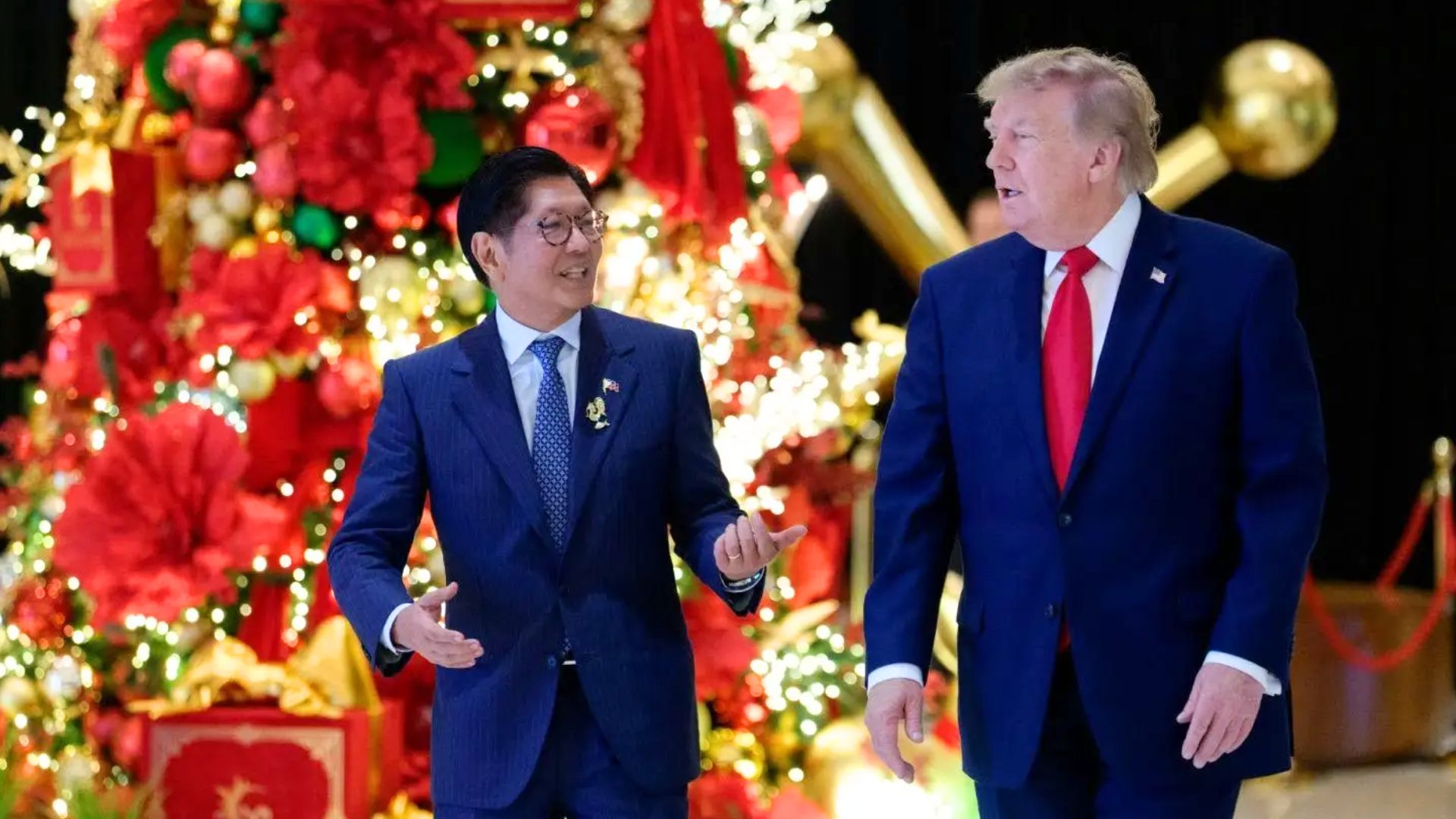
Photo courtesy: Philippine News Agency
The Philippines and the United States did not sign an agreement on the controversial Pax Silica initiative during the U.S. President Donald Trump’s visit to Manila, with President Ferdinand Marcos Jr. confirming that the proposed technology partnership was not included in their bilateral discussions.
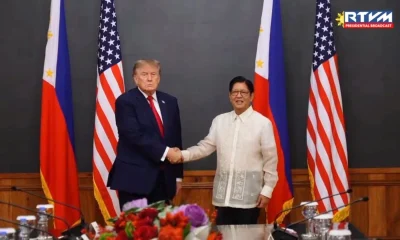
Marcos clarified the matter on November 18 at Malacañang Palace, shortly before his closed-door meeting with Trump.
When reporters asked whether the agreement would be signed, U.S. Ambassador to the Philippines Lee Lipton ruled out any signing ceremony.
“There’ll be no signing,” Lipton said.
Marcos reinforced the statement, saying, “No, not on this trip. We are not doing it. We are not covering that on this trip.”
What is the Pax Silica initiative?
Pax Silica is a U.S.-led initiative designed to strengthen international supply chains for artificial intelligence (AI), semiconductors, critical minerals and other advanced technologies.
The Philippines joined the initiative in April 2026 as its 13th signatory.
Under the proposed partnership, the two countries are working toward establishing a major industrial and technology hub in New Clark City, Capas, Tarlac, within the Luzon Economic Corridor.
The planned development would focus on semiconductor manufacturing, mineral processing and the production of components used in advanced technologies.
Philippine officials have promoted the project as an opportunity to attract foreign investments, create jobs and expand the country’s role in global technology supply chains.
However, joining the broader initiative does not mean that all agreements needed to establish the proposed industrial hub have been finalized.
The legal framework governing the Philippine project remains under negotiation.
Agreement still under negotiation
Although no deal was signed during Trump’s visit, Philippine officials have not announced the cancellation of the proposed partnership.
Trade Undersecretary and Board of Investments managing head Ceferino Rodolfo said on November 10 that the government was still working toward signing the legal framework before the end of 2026.
He indicated that negotiations remained on track, although a final signing date had not been announced.
Earlier, the Bases Conversion and Development Authority (BCDA) also confirmed that no specific date had been set for the agreement’s signing.
Philippine Ambassador to the United States Jose Manuel Romualdez explained that Washington had agreed to give Manila more time to review the proposed terms.
According to Romualdez, the two governments still needed to determine which provisions would be acceptable to the Philippines before moving forward.
He also said Marcos wanted the process to be transparent.
The ambassador’s remarks came ahead of Trump’s arrival, indicating that the absence of a signing ceremony was not an unexpected development.
Project faces opposition over land and environmental concerns
The proposed Pax Silica industrial hub has faced opposition from farmers, Indigenous communities, environmental advocates and other groups concerned about its potential effects on local residents.
Critics have warned that the project could threaten agricultural livelihoods, affect ancestral lands and place additional pressure on water and electricity resources.
Some groups have also questioned the extent of foreign involvement in industries considered important to the country’s economic and technological security.
Protesters raised these concerns during demonstrations surrounding the 49th ASEAN Summit and Trump’s state visit to Manila.
The government has disputed claims that the project would result in widespread displacement.
Officials have said development would be limited to designated buildable areas to minimize its effects on farmers and Indigenous communities.
BCDA officials have also challenged estimates of the number of people who could be affected, although questions remain over land use and the project’s final development plans.
Philippines, US continue broader cooperation
Despite leaving Pax Silica off their agenda, Marcos and Trump discussed other areas of cooperation during their November 18 meeting.
Their talks focused on strengthening the Philippines–U.S. alliance, expanding defense cooperation and exploring opportunities in energy and technology.
Trump also raised the possibility of American participation in a civilian nuclear energy project in the Philippines.
The leaders reaffirmed their countries’ longstanding relationship as they marked 80 years of diplomatic ties and 75 years of their mutual defense alliance.
Trump departed Manila for China following his engagements, leaving the proposed Pax Silica agreement unsigned.
The next major development will depend on negotiations over the project’s legal framework. While trade officials have identified the end of 2026 as a possible signing target, neither government has announced a confirmed date or released a final agreement.