Headline
Marcos hails Philippines’ ASEAN chairship, highlights over 100 outcomes on trade, security and regional cooperation

ASM, Philippine Canadian Inquirer
November 18, 2026
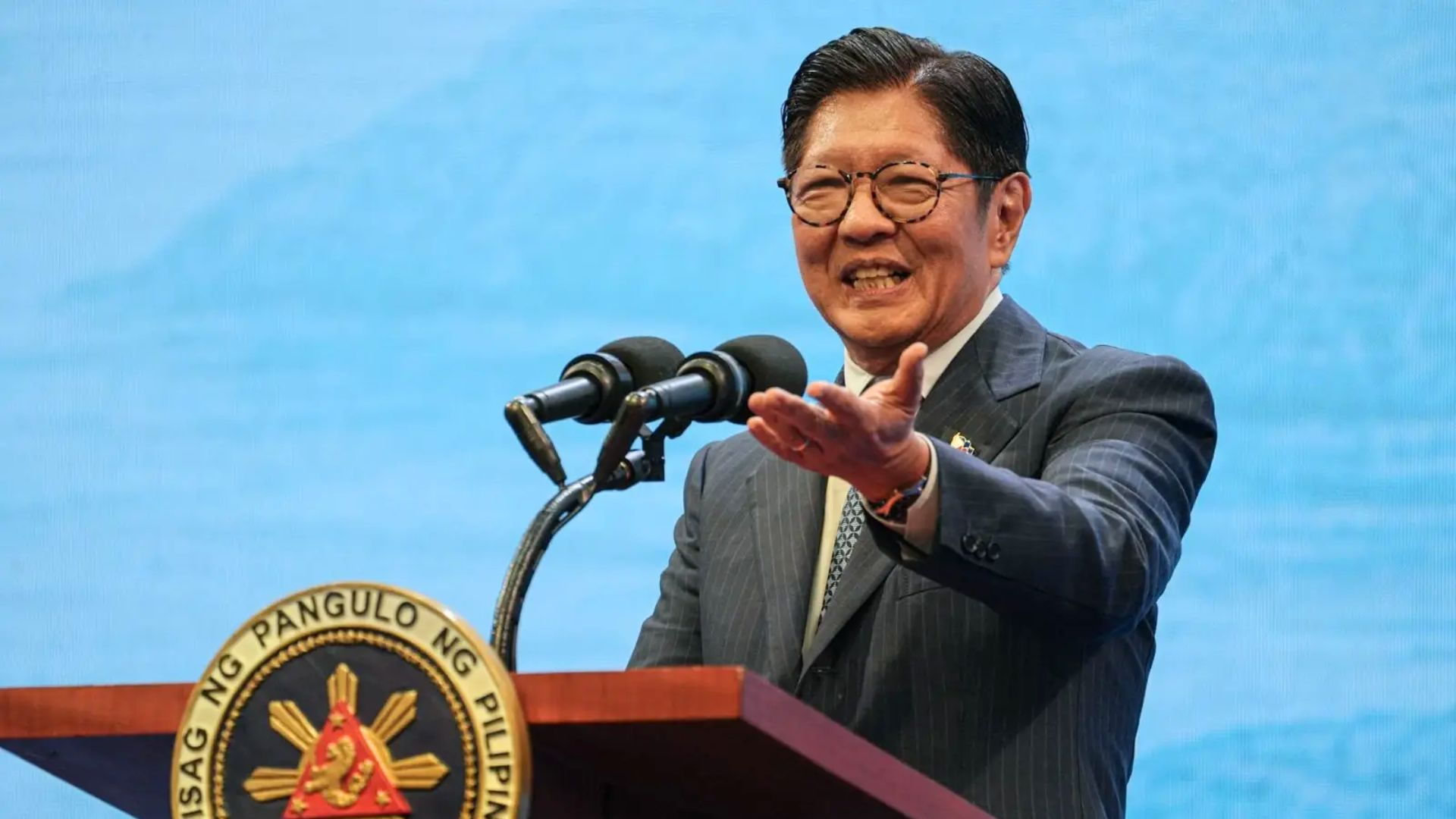
Photo courtesy: Philippine News Agency
MANILA, Philippines — President Ferdinand Marcos Jr. has described the Philippines’ 2026 chairmanship of the Association of Southeast Asian Nations (ASEAN) as successful and impactful, highlighting more than 100 outcome documents covering regional security, digital trade, energy cooperation, disaster preparedness and child protection.
The announcement followed the conclusion of the 49th ASEAN Summit and Related Summits in Manila on November 17, marking the end of the Philippines’ year-long leadership of the 11-member regional bloc.
Speaking at a press conference in Pasay City, Marcos said the three-day gathering produced significant progress on regional priorities despite geopolitical tensions, economic uncertainty and the growing challenges posed by climate change.
The more than 100 outcome documents include frameworks, declarations and other measures intended to guide cooperation among ASEAN member states and dialogue partners. However, their adoption and implementation status varies, meaning not all represent completed projects or immediately enforceable agreements.
Digital economy agreement among key achievements
One of the most significant developments was the signing of the ASEAN Digital Economy Framework Agreement (DEFA), which seeks to establish common rules and strengthen cooperation across Southeast Asia’s rapidly expanding digital economy.
Ministers from the 11 ASEAN economies signed the agreement in Pasay City on November 14, following negotiations conducted during the Philippine chairmanship.
The framework covers digital trade, data protection, cybersecurity, online consumer protection and cross-border electronic commerce.
Once implemented, it is expected to make digital transactions easier across member countries, improve cooperation on electronic payments and help small businesses expand beyond their domestic markets.
Marcos described the agreement as a major achievement, emphasizing that Southeast Asia should participate in shaping the development of artificial intelligence rather than simply consuming technology developed by larger economies.
ASEAN’s digital economy is valued at approximately USD $1 trillion and has been projected to double by 2030, underscoring the potential importance of common digital trade rules.
The agreement’s full economic benefits will depend on implementation by member states and the development of the necessary regulatory and technical systems.
ASEAN advances maritime cooperation, but South China Sea code remains unfinished
Maritime security and cooperation also featured prominently among the chairmanship’s reported accomplishments.
ASEAN foreign ministers adopted the concept note and terms of reference for the proposed ASEAN Maritime Centre, which will be established in the Philippines.
The centre is intended to serve as a regional knowledge and coordination hub, supporting research, information-sharing and maritime initiatives identified by member states.
Its proposed activities could involve maritime authorities, academic institutions and other organizations working on the sustainable use of marine resources and the protection of coastal communities.
The initiative comes as Southeast Asian countries continue to face maritime security challenges, including overlapping territorial and maritime claims in the South China Sea.
Despite progress on maritime cooperation, negotiations between ASEAN and China on a long-awaited South China Sea Code of Conduct were not completed during the Philippine chairmanship.
Marcos said on November 17 that negotiations were approximately 85% to 90% complete, with some remaining discussions focused on definitions and specific provisions.
Foreign Affairs Secretary Ma. Theresa Lazaro had earlier reported that about 80% of the negotiating text had received provisional agreement.
The code is intended to establish rules for managing conduct in the disputed waters and reducing the risk of confrontations.
Negotiations will continue under Singapore’s chairmanship in 2027, with the final agreement’s provisions and legal status still subject to negotiations.
Philippines, Malaysia move toward cross-border electricity connection
Energy security was another priority, particularly efforts to develop the ASEAN Power Grid, which aims to improve electricity connectivity between member countries.
Marcos highlighted progress under an enhanced memorandum of understanding on regional power integration, including institutional and regulatory arrangements intended to support cross-border electricity trading.
He also announced preparations for a proposed undersea electricity cable linking Sabah, Malaysia, and Mindanao in the Philippines.
The planned connection would expand regional electricity interconnectivity and could eventually support cross-border energy exchange.
However, the project remains in its preparatory stage. Its construction schedule, financing, final capacity and operational arrangements have not been confirmed in the announcements reviewed.
The initiative forms part of ASEAN’s broader efforts to improve energy security and strengthen infrastructure cooperation as electricity demand increases across Southeast Asia.
Regional leaders strengthen child protection and disaster response
ASEAN leaders also adopted a declaration aimed at preventing online sexual abuse and exploitation of children, including offences involving digital technology and artificial intelligence.
The measure addresses concerns about the misuse of emerging technologies to create, distribute or facilitate child sexual abuse and exploitation material.
It reinforces the member states’ commitment to improving child protection, strengthening cooperation and responding to risks in the digital environment.
Separately, ASEAN welcomed a regional framework designed to improve disaster preparedness and emergency response.
The initiative focuses on better coordination in forecasting, rescue operations, humanitarian assistance and disaster relief.
Marcos emphasized the importance of improving coordination as Southeast Asian countries experience increasingly severe weather events and other climate-related risks.
The effectiveness of these measures will depend on how member countries incorporate the agreed priorities into national policies, institutions and operational arrangements.
Timor-Leste’s membership reflected in ASEAN’s updated symbols
The summit also highlighted the expansion of ASEAN following Timor-Leste’s accession as the organization’s 11th member.
An updated ASEAN flag and emblem reflecting the expanded membership were unveiled during the opening ceremony on November 15.
Marcos also cited the enlargement of the Treaty of Amity and Cooperation in Southeast Asia, which now has 65 high contracting parties.
The treaty establishes principles for peaceful relations, including respect for sovereignty, non-interference and the peaceful settlement of disputes.
These developments were presented as part of ASEAN’s efforts to broaden diplomatic engagement and strengthen regional cooperation.
Philippines hands ASEAN leadership to Singapore
The Philippines formally handed over the ASEAN chairmanship to Singapore during the summit’s closing ceremony at the Philippine International Convention Center on November 17.
Marcos led the turnover to Singaporean Prime Minister Lawrence Wong, who will chair the organization in 2027.
The transition places Singapore in charge of continuing regional priorities, including negotiations on the South China Sea Code of Conduct and the implementation of economic and institutional initiatives advanced during the Philippine chairmanship.
The Philippines hosted the summit under the theme Navigating Our Future, Together, with discussions spanning political security, economic integration and social development.
Although Marcos characterized the chairmanship as successful, several initiatives highlighted during the summit, including the Maritime Centre, regional power connections and the South China Sea code, still require further negotiations or implementation.
Singapore will inherit these continuing priorities as ASEAN moves toward its long-term ASEAN 2045 regional development vision.