Canada News
Canada’s rarest military honours reveal stories of courage, sacrifice and service

ASM, Philippine Canadian Inquirer
November 12, 2026
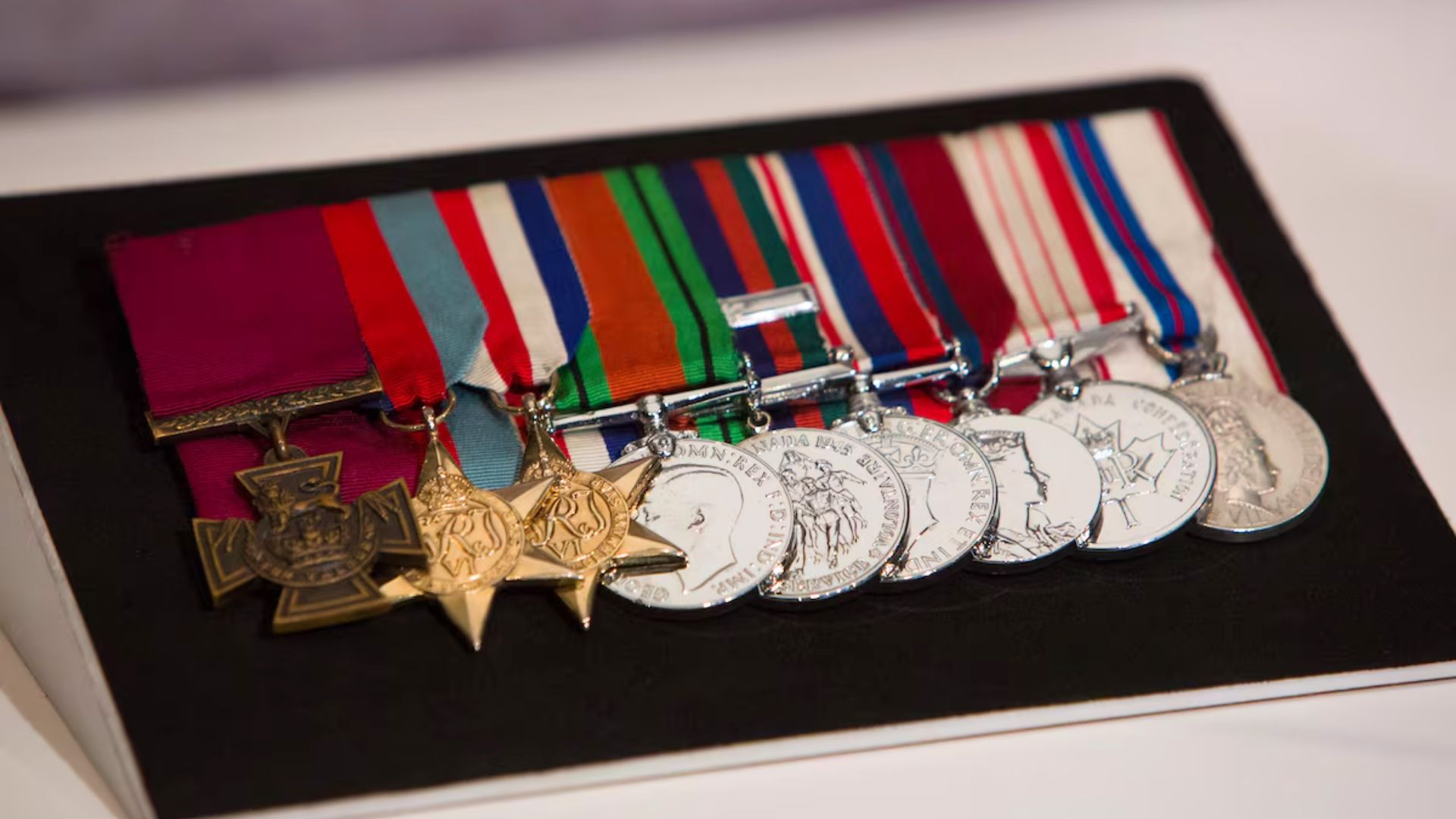
Photo courtesy: The Globe and Mail
OTTAWA, Canada — Some of Canada’s highest military honours are so rare that only a handful of people have ever received them. One decoration, despite holding the highest place in the country’s military honours system, has never been awarded in its Canadian form.
As Canadians marked Remembrance Day on November 11, the history behind these medals offered a closer look at how the country recognizes extraordinary bravery, sacrifice and decades of military service.
From acts of courage on the battlefield to exceptional achievements during military operations, Canada’s honours system reflects different forms of service and the sacrifices made by those who served.
Victoria Cross: Canada’s highest military honour
The Victoria Cross (VC) stands at the top of Canada’s military honours system. It recognizes extraordinary bravery, self-sacrifice or devotion to duty in the presence of an enemy.
The original British decoration was established in 1856 by Queen Victoria during the Crimean War. A total of 99 recipients have been associated with Canada under the broader historical classification used by Veterans Affairs Canada.
Canada introduced its own Victoria Cross in 1993 as part of its independent military honours system.
More than three decades later, no one has received the Canadian version.
The decoration remains the country’s highest recognition for military valour, reserved for exceptional acts of courage in combat.
Cross of Valour: Extraordinary courage beyond combat
The Cross of Valour (CV) recognizes acts of exceptional courage in situations involving extreme danger, including circumstances outside military combat.
Established in 1972, the decoration is open to both military personnel and civilians who demonstrate outstanding bravery.
It is one of Canada’s rarest honours, with only 20 awards recorded by Veterans Affairs Canada.
Unlike the Victoria Cross, which specifically recognizes bravery in the presence of an enemy, the Cross of Valour honours extraordinary courage in life-threatening situations beyond the battlefield.
Meritorious Service Cross: Recognizing exceptional achievements
Not all military honours are awarded for bravery in dangerous situations.
The Meritorious Service Cross (MSC) recognizes outstanding deeds or activities that bring significant benefit or honour to Canada.
The military division was established in 1984, followed by the introduction of a civilian division in 1991.
Military recipients are recognized for achievements performed to an exceptionally high professional standard, while civilian recipients may be honoured for extraordinary contributions benefiting the country.
The decoration highlights accomplishments that may not involve combat but still have a significant impact on Canada’s military or broader national interests.
Sacrifice Medal: Honouring those wounded or killed in service
The Sacrifice Medal recognizes members of the Canadian Armed Forces and certain other eligible personnel who have been wounded or killed under qualifying circumstances connected to military service.
Introduced in 2008, the medal generally recognizes deaths or injuries resulting directly from hostile action on or after October 7, 2001.
It replaced the earlier Wound Stripe as a form of recognition for qualifying casualties.
Its creation reflected Canada’s effort to formally acknowledge the personal cost of military operations, particularly as Canadian personnel faced casualties during overseas deployments.
General Campaign Star: Recognizing service in military operations
The General Campaign Star (GCS) recognizes eligible personnel who served in designated military operations involving the presence of an armed enemy.
Established in 2004, the decoration has different ribbons identifying particular operations or categories of service.
One of its less common versions, the Allied Force ribbon, recognizes qualifying service connected to NATO’s 1999 air campaign over Kosovo.
According to Canada’s Department of National Defence, only 92 awards of the Allied Force version had been recorded as of December 31, 2025.
Other versions recognize service in different operational theatres, reflecting the range of missions undertaken by Canadian military personnel.
Canadian Forces’ Decoration: Acknowledging years of dedication
The Canadian Forces’ Decoration (CD) recognizes military members who complete at least 12 years of qualifying service with a record of good conduct.
Created in 1949 under King George VI, the decoration recognizes long-term commitment rather than a single act of bravery.
Additional bars are awarded for every subsequent 10 years of qualifying service.
The medal has evolved over the decades, with designs reflecting the reigning monarch. A version featuring King Charles III was unveiled in December 2024.
Remembering the service behind the medals
Canada’s military honours span generations, from the earliest recipients of the Victoria Cross to personnel recognized for service in modern international operations.
While decorations differ in purpose and rarity, they form part of the country’s broader tradition of recognizing military contributions.
Remembrance Day, observed annually on November 11, honours Canadians who served and sacrificed their lives in military conflicts.
The stories behind these decorations offer another perspective on that history, recognizing not only exceptional acts of courage but also the dedication, achievements and losses associated with military service.