Canada News
Canada reminds households to prepare 72-hour emergency kits amid global preparedness push

ASM, Philippine Canadian Inquirer
November 12, 2026
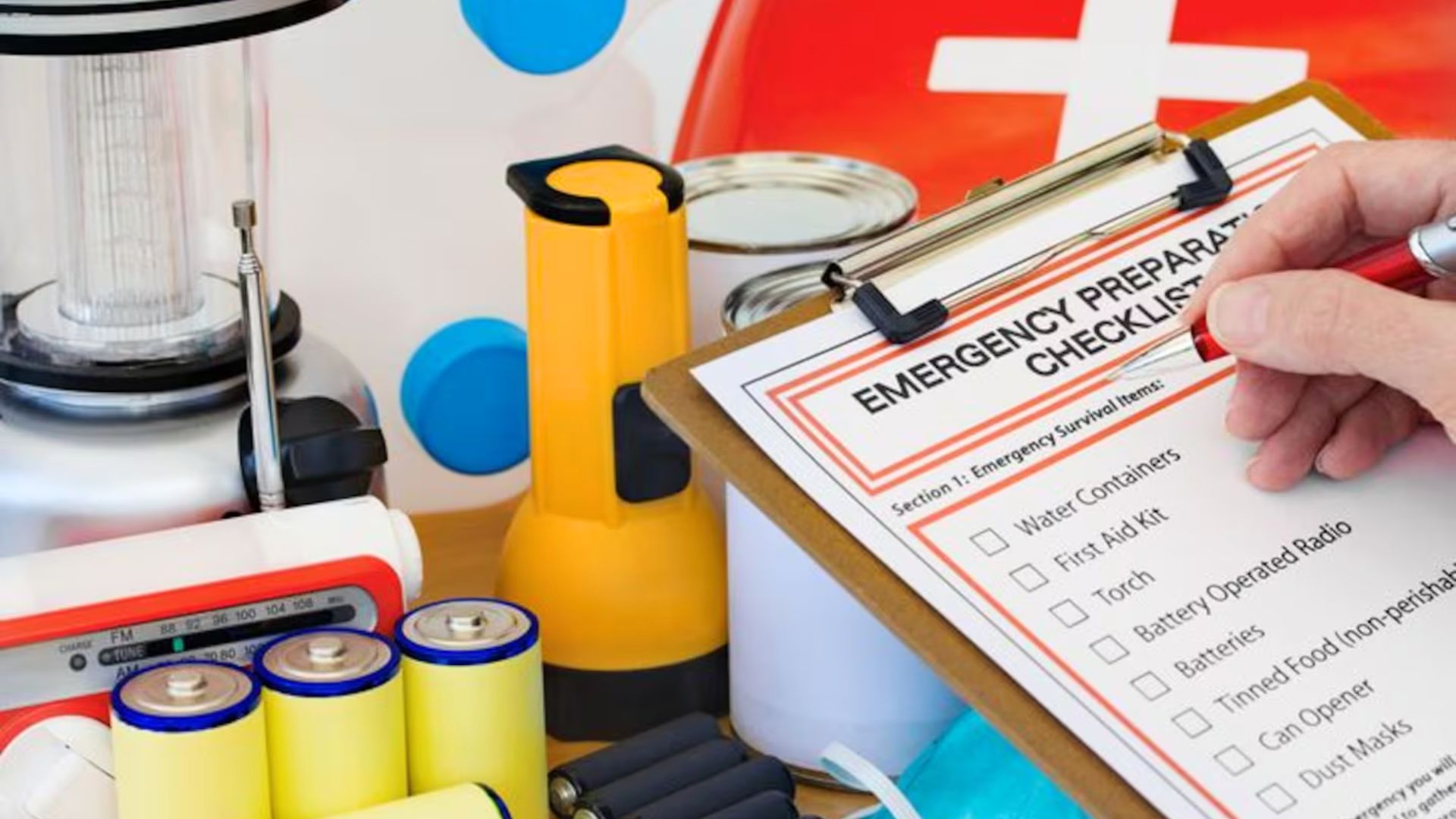
Photo courtesy: CTV News
OTTAWA, Canada — Canadian households are being encouraged to keep enough food, water and essential supplies to survive at least 72 hours without electricity, running water or access to basic services during an emergency.
The recommendation comes as emergency preparedness advice gains renewed attention across several countries, including the United Kingdom and France, amid concerns over natural disasters, power outages and disruptions to critical infrastructure.
Public Safety Canada maintains that its 72-hour preparedness guidance is not new. The recommendation has been in place for years and is intended to help households manage independently during the first three days of an emergency.
The federal government advises residents to prepare for situations such as severe storms, floods, wildfires, earthquakes and prolonged power outages. Cyberattacks that disrupt essential services are also among the risks considered in Canada’s broader emergency planning.
Under Canada’s official emergency preparedness guidelines, every household should have an easily accessible emergency kit containing enough basic supplies for at least three days.
Essential items include non-perishable food, a manual can opener, flashlights, batteries, a portable radio, first-aid supplies, prescription medications, cash and copies of important documents.
Households are also advised to store at least two litres of water per person daily, equivalent to six litres per person for a 72-hour period. Additional water may be needed for cooking and sanitation.
Emergency kits should account for the needs of children, older adults, people with medical conditions and pets.
Residents are encouraged to keep supplies in backpacks, duffel bags or other portable containers that can be quickly collected during an evacuation. Everyone in the household should know where the emergency kit is stored.
Although three days remains the federal minimum, Canadians are encouraged to keep additional supplies where possible, particularly in remote communities or areas where severe weather could delay emergency assistance.
The preparedness message has also gained international attention as governments in several countries promote household readiness for disasters and interruptions to essential services.
Canada’s longstanding recommendation, however, does not constitute a new emergency order or a warning of an imminent nationwide crisis.
The federal government continues to encourage residents to understand the risks in their communities, develop household emergency plans and regularly review their supplies.
Official emergency preparedness checklists and household planning resources are available through the Government of Canada’s website at canada.ca