Headline
Indonesia bans elephant rides, pushes wildlife tourism toward animal welfare

ASM, Philippine Canadian Inquirer
November 10, 2026
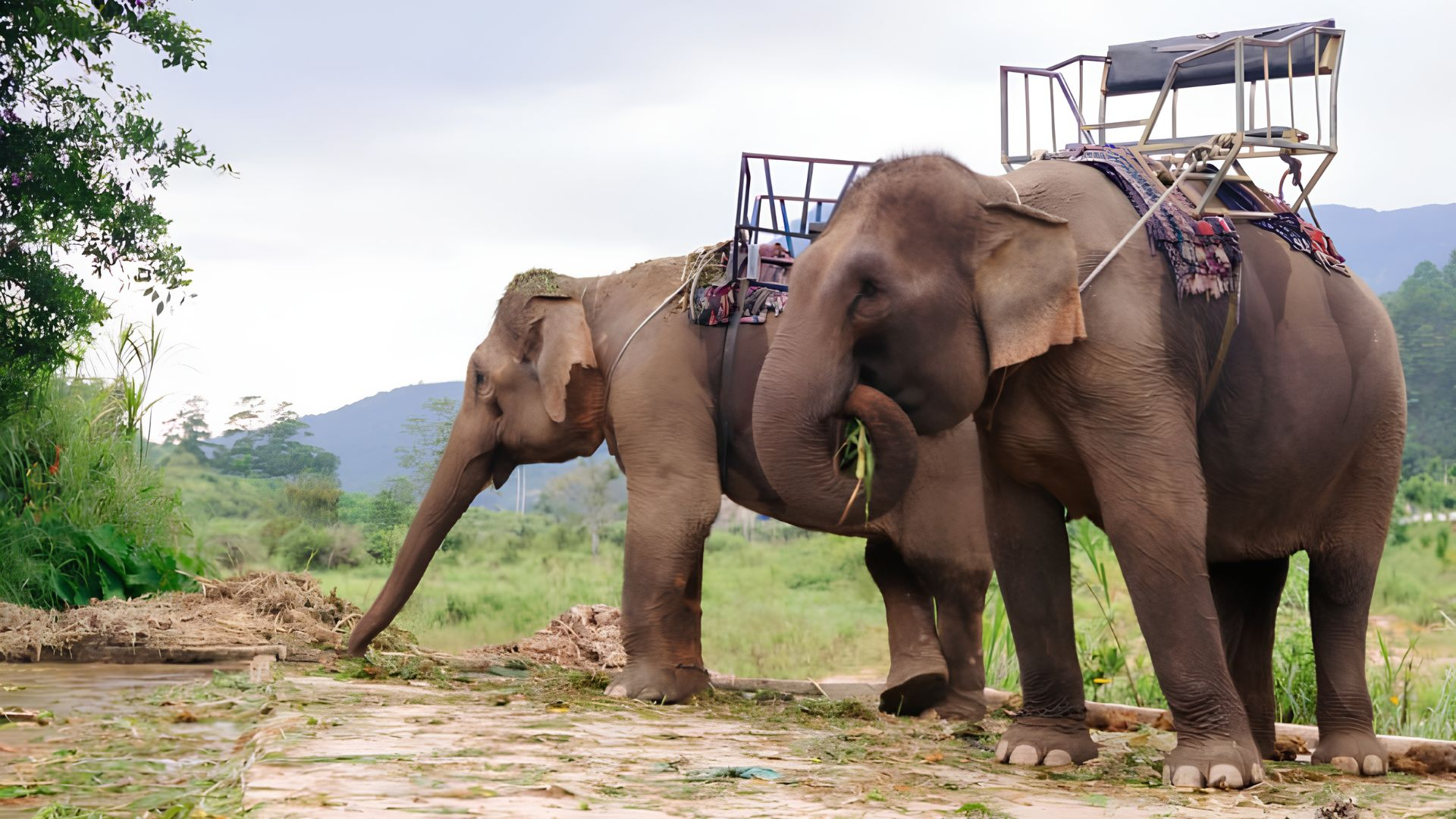
Photo courtesy: Spot.ph
Elephant rides are no longer permitted at Indonesia’s wildlife attractions under a nationwide government directive aimed at protecting the animals and promoting more responsible tourism.
The policy requires conservation facilities to stop using elephants for rides and shift toward activities that prioritize animal welfare, education and wildlife conservation.
Indonesia’s Ministry of Forestry issued the directive in December 2025. Authorities stepped up enforcement in January 2026, prompting popular attractions in Bali to discontinue their elephant-riding programs.
What does the ban mean for tourists?
Visitors can no longer legally book elephant rides at conservation and tourism facilities covered by the directive.
Instead, operators are being encouraged to offer educational activities that allow tourists to observe elephants without riding them.
These experiences can include learning about elephant behavior, conservation challenges and the animals’ natural habitats.
The policy also encourages attractions to provide environments where elephants can move, feed and interact more naturally.
Tourists can still visit facilities that care for elephants, provided those facilities comply with conservation and animal welfare requirements.
Bali attractions stop offering elephant rides
Several well-known wildlife attractions in Bali have already changed their operations to comply with the policy.
Bali Zoo permanently ended its elephant-riding program on January 1, 2026.
The facility said the change would allow its 14 Sumatran elephants to spend more time engaging in natural behaviors and social interactions.
Meanwhile, Mason Elephant Park & Lodge in Gianyar stopped offering elephant rides on January 25 after receiving two government warnings.
Bali’s Natural Resources Conservation Agency confirmed that inspectors found no elephant-riding activities during a subsequent inspection.
The agency has continued monitoring conservation facilities to ensure compliance with the national directive.
Operators risk losing permits
The ban is based on Circular Letter No. 6 of 2025, issued by Indonesia’s Directorate General of Natural Resources and Ecosystem Conservation.
The directive applies nationwide to licensed conservation institutions, including facilities offering elephant-related tourism activities.
Operators that fail to comply may receive formal warnings and face the revocation of their conservation permits.
Indonesia’s Forestry Minister Raja Juli Antoni has emphasized that elephant riding is prohibited for tourism and other purposes.
Authorities have also called on the public to report facilities that continue offering the activity.
Why Indonesia is ending elephant rides
The policy follows longstanding concerns about the treatment of elephants used in tourism.
Animal welfare organizations have warned that riding attractions can expose elephants to stressful training, restricted movement and physically demanding activities.
World Animal Protection welcomed Indonesia’s decision, saying it could improve conditions for captive elephants by reducing their use in tourist entertainment.
The organization has also encouraged travelers to choose wildlife experiences that allow elephants to behave naturally.
Indonesia is home to the critically endangered Sumatran elephant, which faces threats from habitat loss, human-wildlife conflict and poaching.
Conservation authorities say the new approach will help shift public attention toward protecting elephants rather than using them for entertainment.
A shift toward responsible wildlife tourism
The government wants conservation facilities to place greater emphasis on education and animal care.
For tourism operators, this means replacing elephant rides with experiences that help visitors understand the animals without requiring them to carry people.
The policy also places greater responsibility on wildlife attractions to meet animal welfare standards and maintain their conservation permits.
Visitors planning wildlife tours in Indonesia are encouraged to check whether operators follow the government’s rules before booking.
Conservation authorities will continue supervising facilities and enforcing the prohibition through the country’s licensing system.