Canada News
Carney government’s 2026 budget sets aside $142 billion for new spending and tax measures

Floyd Brenz., Philippine Canadian Inquirer
November 07, 2026
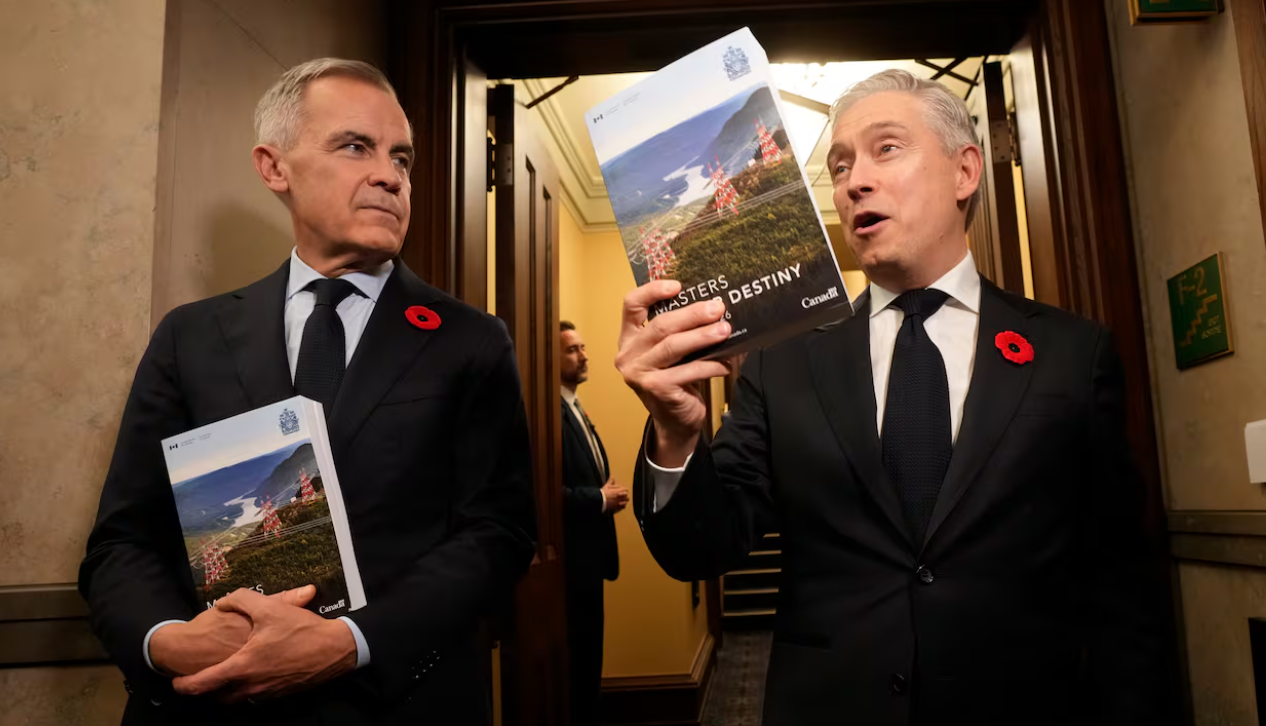
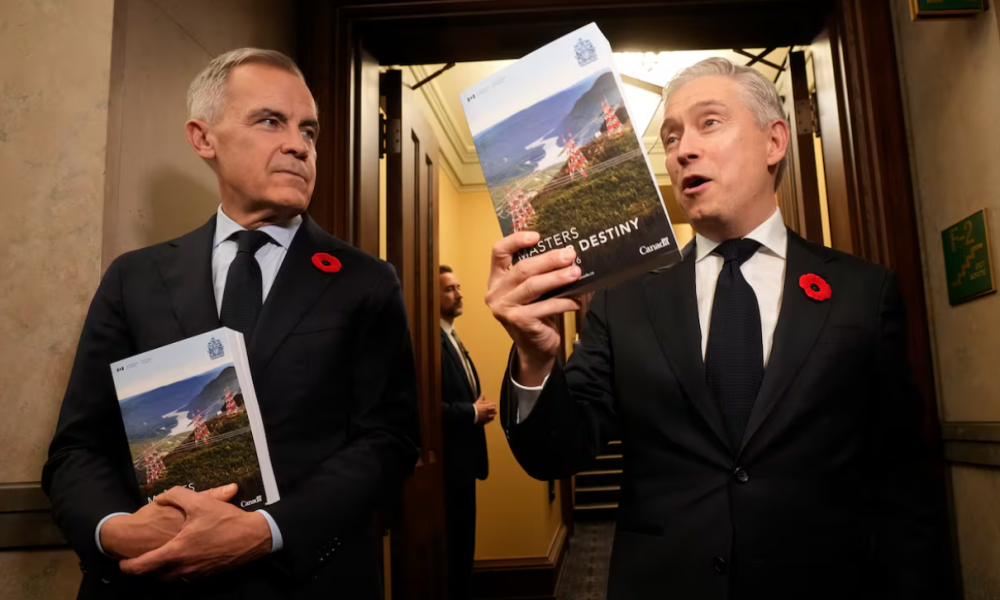
Photo Courtesy: CBC News
The Canadian federal government has unveiled its second budget under Prime Minister Mark Carney, proposing $142.1 billion in new spending and tax measures aimed at strengthening the country’s economy, attracting investments and easing the cost of living.
Finance Minister François-Philippe Champagne tabled the 2026 budget, titled Masters of Our Destiny, on Thursday, November 5.
The fiscal plan projects a federal deficit of $62.3 billion for the 2026-2027 fiscal year, lower than the $65.3-billion estimate presented in the government’s spring economic update.
Despite the lower deficit forecast, the budget includes billions of dollars in new initiatives, most of them temporary measures intended to stimulate economic activity and support Canadians.
Among its major commitments is an $11.2-billion investment over four years to help address homelessness, including funding for supportive and transitional housing, mental health services and addiction treatment.
The government is also proposing additional assistance for low- and modest-income households through a 2027 supplement to the Canada Groceries and Essentials Benefit, along with expanded support for northern communities facing high food costs.
Another measure would allow Canadians to keep their Registered Retirement Savings Plans beyond the current age limit of 71, removing the requirement to convert them into Registered Retirement Income Funds.
The budget also outlines plans to attract private investment in major infrastructure, including Canada’s four largest airports. The federal government aims to secure its first airport operating concession agreement with a private operator by early 2029, while retaining ownership of the airport assets.
On the economic front, Ottawa is introducing tax incentives designed to encourage businesses to invest in equipment, technology and productivity improvements. The plan also includes investments in energy infrastructure, nuclear power, critical minerals and Canada’s defence capabilities.
The budget further proposes a single annual tax filing deadline of May 15, beginning in 2028 for the 2027 tax year, which the government says could help Canadians avoid interest and penalty payments.
Overall, Carney’s second budget seeks to balance economic growth, affordability and national sovereignty while keeping federal finances on a declining debt-to-GDP trajectory. However, the scale of proposed spending and the country’s projected deficits are expected to remain central points of debate among opposition parties and economic observers.