Food
Dutch woman keeps Filipino food traditions alive through business in Amsterdam

Floyd Brenz., Philippine Canadian Inquirer
November 05, 2026
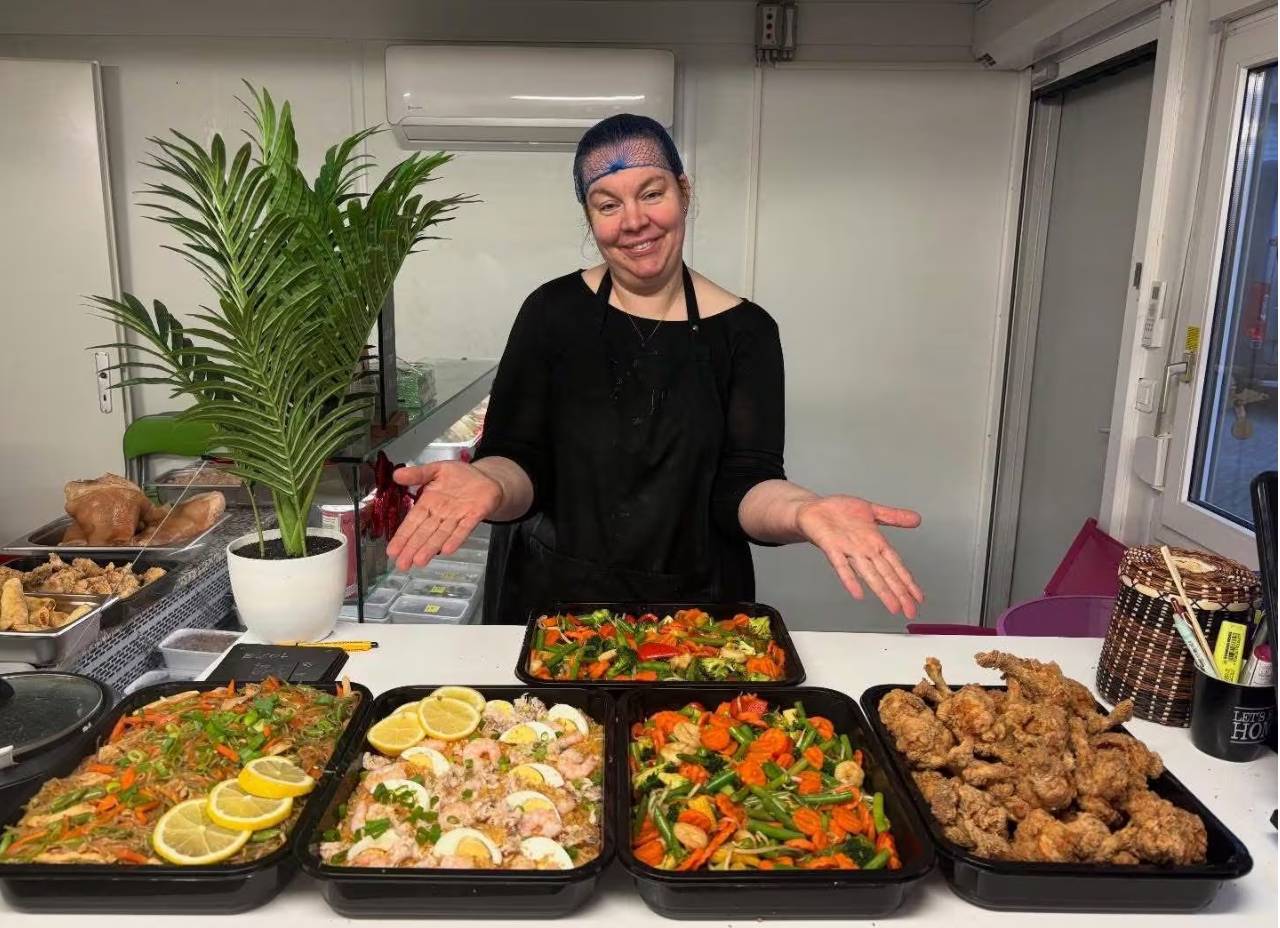
Photo Courtesy: Duma
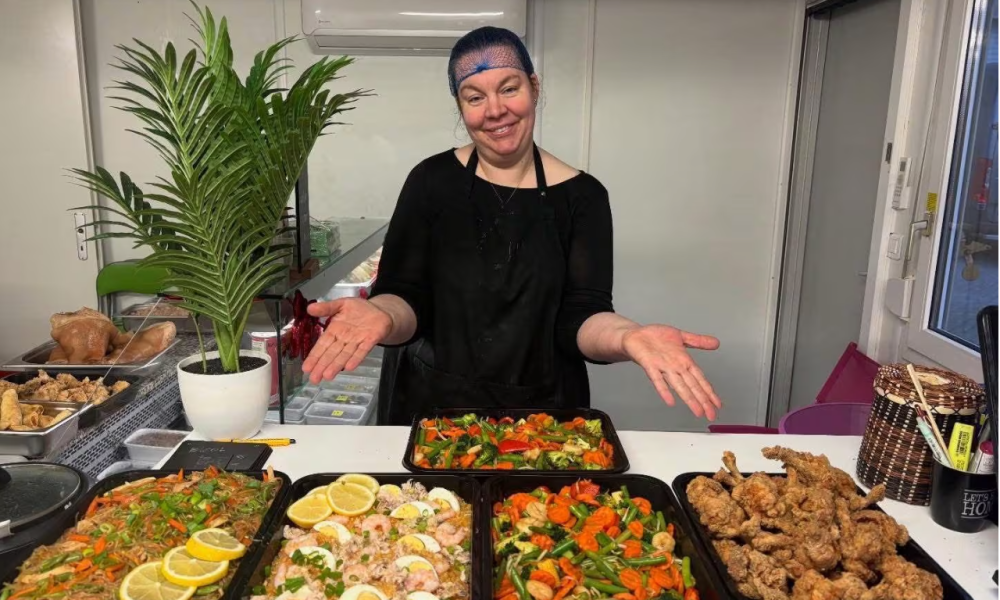
A Dutch woman has found a way to bring the flavors of the Philippines to the Netherlands, turning her love for Filipino cuisine into a food business that serves both the Filipino community and local customers in Amsterdam.
Beate Duma’s connection to Filipino culture began when she met her Filipino husband, Rheneir. Their relationship introduced her to the country’s food, language and traditions, eventually inspiring her to learn how to prepare Filipino dishes.
After marrying in 2003, Duma continued learning Tagalog and Waray while developing her cooking skills with her husband’s guidance. What started as a way to share Filipino meals with their family gradually grew into a catering and takeaway business.
Her menu includes familiar Filipino favorites such as sisig, lechon kawali, dinuguan, kare-kare, kaldereta and pancit. She also learned to prepare local desserts, including leche flan, kutsinta and pichi-pichi.
But the business faced a major turning point in 2019, when Rheneir passed away following kidney failure. Duma initially considered stopping their food venture, but support from a business partner encouraged her to continue what they had built together.
She eventually expanded the operation beyond their home kitchen, establishing House of Pinoy Foods in Amsterdam.
Among the dishes that hold special meaning for her is Filipino longganisa. Before his death, Rheneir asked her to save the family recipe on her phone. She has continued preparing it regularly, keeping a personal reminder of her husband through the food they once shared.
Duma’s journey has not been without challenges. As a Dutch woman selling Filipino cuisine, she has sometimes worried about whether customers would consider her cooking authentic. Sourcing ingredients and finding staff have also presented difficulties.
Still, her commitment to preserving the flavors and traditions she learned has helped her earn the trust of customers.
Beyond the business, Duma continues to pass Filipino culture on to her children, who are half-Filipino. She sees cooking and speaking the country’s languages as ways to keep their father’s heritage present in their lives.
For Duma, the kitchen has become more than a place to prepare food. It is where family memories, cultural identity and her connection to the Philippines continue to live, even thousands of kilometers away.