Canada News
Carney refuses to rush US trade deal as tariffs continue to hit Canadian industries

ASM, Philippine Canadian Inquirer
November 01, 2026

Photo courtesy: CTV News
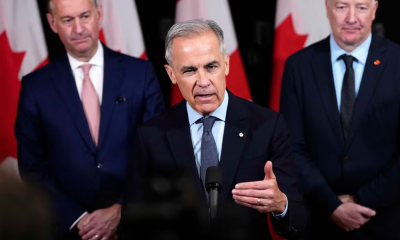
Prime Minister Mark Carney says Canada is prepared to wait for a better trade agreement with the United States rather than accept terms that undermine Canadian industries, cultural protections or national sovereignty.
In an interview with POLITICO published October 30, Carney indicated that Ottawa would not sign an agreement simply to end its trade dispute with US President Donald Trump, even if reaching acceptable terms meant waiting for a future US administration.
His position comes as negotiations remain stalled over tariffs on automobiles, steel and other Canadian exports, with no comprehensive agreement reached ahead of the November 3 US midterm elections.
Canada suspended formal trade negotiations on August 21 after the two governments failed to agree on the terms of a broader deal. Ottawa said Washington’s last-minute demands threatened Canadian economic interests and its ability to make independent policy decisions.
The United States subsequently imposed 50% tariffs on approximately C$27.6 billion worth of Canadian goods, prompting Canada to announce retaliatory duties of equivalent value.
Key industries remain under pressure
Automobiles, steel and aluminum have been among the most contentious issues in negotiations.
The United States maintains tariffs of up to 50% on Canadian steel and 25% on automobiles under separate trade measures. Canada has sought reductions to those duties, which affect industries with closely connected production and supply chains on both sides of the border.
The dispute has increased pressure on Canadian manufacturers and workers, particularly in Ontario, where the automotive and steel sectors support major industrial operations.
To help affected businesses, Carney and Ontario Premier Doug Ford announced C$8.7 billion in funding commitments and support measures on October 21, including assistance for steel producers and automakers.
The measures are intended to protect jobs, strengthen domestic production and help companies find markets outside the United States.
Talks resume, but major differences remain
Despite the breakdown in August, Canadian and American officials have continued discussing possible tariff reductions.
Negotiations gained some momentum in late October, with officials examining potential relief for Canadian steel and automotive exports.
However, a Canadian government official said on October 28 that progress remained limited.
Outstanding disagreements include Canada’s demand for lower tariffs on key industrial exports and Washington’s push for greater access to Canadian markets.
The Trump administration provided limited tariff relief to certain Canadian agricultural and forestry products in late October, but broader restrictions remained in place.
Trump has suggested the dispute could be resolved soon, although neither government has announced a timetable for a comprehensive agreement.
Ottawa maintains its negotiating position
Carney has repeatedly said Canada is willing to negotiate but will not accept concessions that compromise its priorities.
When formal talks collapsed in August, he identified protections for Canadian culture and the French language, independent trade agreements and the competitiveness of strategic industries as major concerns.
The prime minister has maintained that any agreement must provide meaningful economic benefits rather than simply meet a political deadline.
US officials, however, have disputed Canada’s account of the failed negotiations, arguing that Ottawa sought additional concessions late in the process.
The disagreement has left both sides without a comprehensive settlement, even as businesses continue to face higher trade costs.
Canada seeks alternatives beyond the US
Alongside efforts to resolve the dispute, Ottawa is expanding economic engagement with Europe and other international partners to reduce its dependence on the American market.
Carney’s government has made trade diversification a central part of its economic strategy, with plans to increase exports to non-US markets and attract investment in infrastructure, energy and strategic industries.
The approach is intended to give Canadian businesses more options while strengthening the country’s position in future trade negotiations.
Discussions with Washington continue without a final agreement. Carney has made clear that Canada will keep negotiating, but not at the expense of the economic and policy protections his government considers essential.