Art and Culture
How art can help people process emotions and find healing

Floyd Brenz., Philippine Canadian Inquirer
October 27, 2026
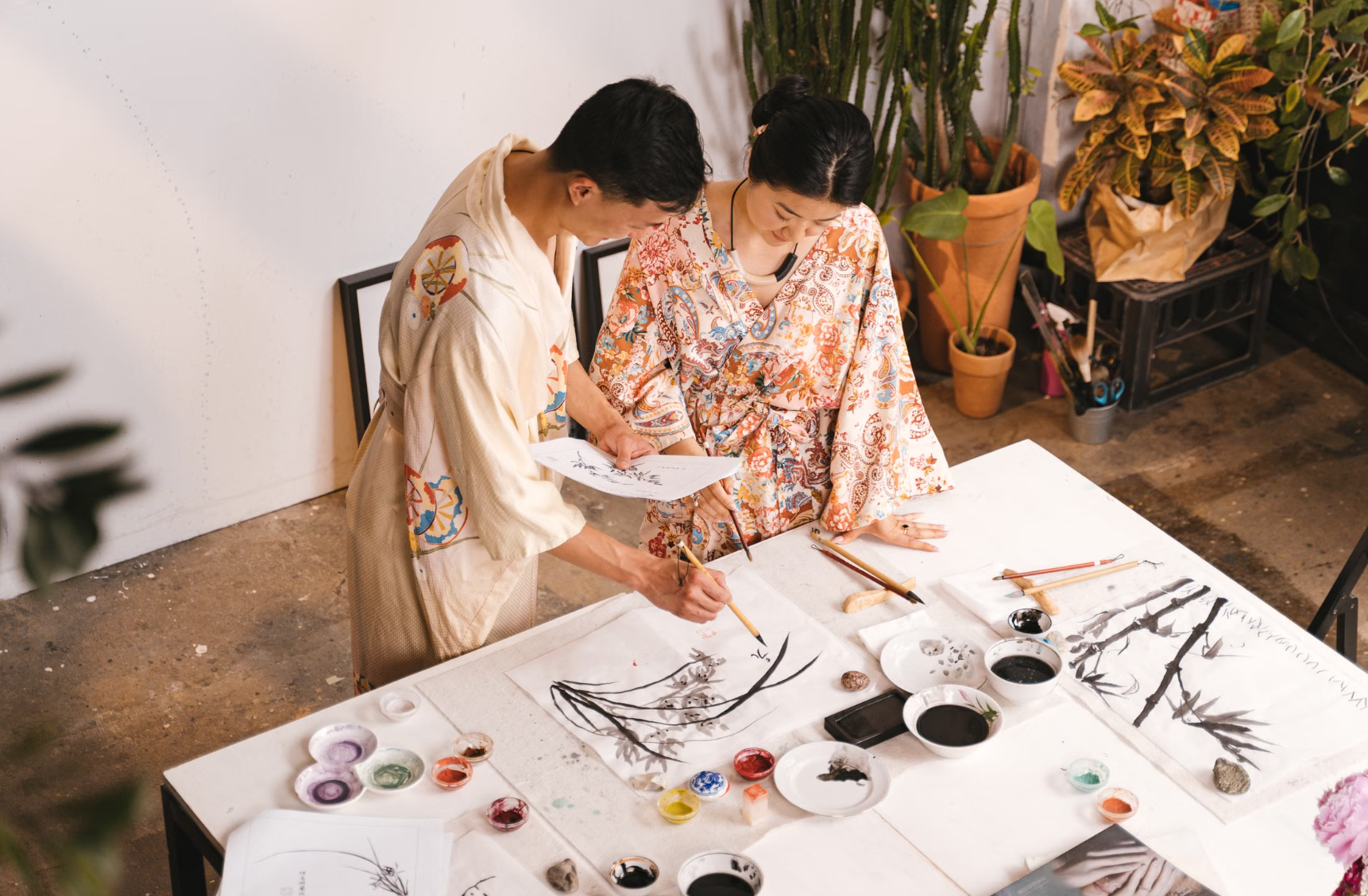
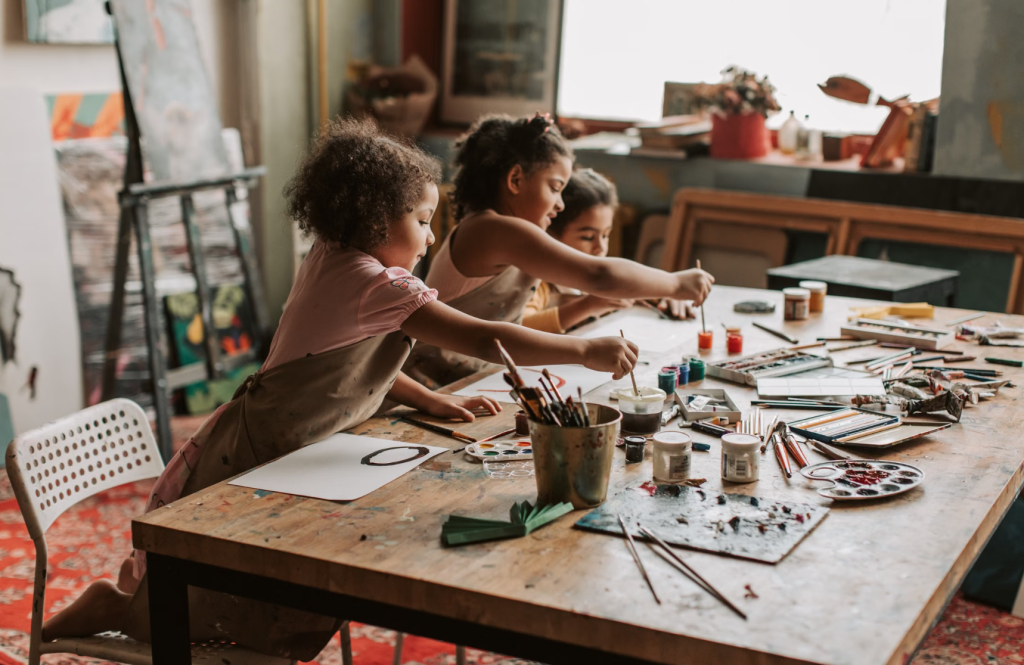
Photo Courtesy: Pexels
Art is more than something to admire in a gallery or enjoy on a stage. It can also become a way for people to confront painful experiences, express emotions that are difficult to put into words, and reconnect with themselves and the world around them.
Psychologist Carl Lorenz Cervantes explored this connection between creativity and healing during the National Arts Education Summit, organized by the Cultural Center of the Philippines at the Metropolitan Theater in Manila earlier this October. His discussion highlighted how arts-based approaches can complement mainstream psychology and Indigenous Filipino healing traditions.
Art-based therapy can take many forms, including painting, writing, storytelling, music, dance and theater. These activities offer different ways to explore personal struggles, particularly when speaking directly about difficult experiences feels overwhelming.
The healing value of art, however, extends beyond the finished work. The process of creating can draw people into a state of deep concentration, sometimes described in psychology as “flow,” where attention becomes fully absorbed in the activity and the passage of time seems to fade.
Audiences can experience a similar immersion when they connect deeply with a film, novel, painting or performance. Such encounters can stir emotions, challenge familiar perspectives and help people understand experiences beyond their own.
For Cervantes, reducing art to a product overlooks much of its power. Its deeper value lies in the human experience of making and engaging with it, allowing people to discover insights that everyday conversations may not always reveal.
Where psychology meets Indigenous healing
The relationship between art and healing also has deep roots in Indigenous cultures. Traditional Filipino healers, known in different communities as baylan, babaylan and mumbaki, have used rituals involving music, chanting, poetry, dance and storytelling as part of their healing practices.
These traditions reflect a broader understanding of well-being in which emotional, social, cultural and spiritual experiences can be interconnected.
Cervantes draws a parallel between the work of traditional healers and psychotherapists. While psychologists may use established therapeutic frameworks to help people understand fears, trauma and emotional difficulties, Indigenous healers may approach distress through spiritual beliefs, community traditions and cultural narratives.
The approaches differ, but both seek ways to help people make sense of suffering. The language and framework that resonate with an individual can also influence how they understand their experiences and engage with the healing process.
This does not mean that traditional rituals and clinical psychological treatments are interchangeable. Rather, the comparison raises questions about how cultural beliefs and Indigenous knowledge can be respected when supporting people’s well-being.
Moving beyond the divide between tradition and science
One challenge is the tendency to view Indigenous practices through a strictly Western lens, treating unfamiliar spiritual traditions as either unscientific or dangerous.
Cervantes argues for a broader understanding of Filipino cultural heritage, including the role of spirituality and traditional knowledge in people’s everyday lives.
For communities whose worldviews are shaped by Indigenous beliefs, healing approaches that acknowledge those perspectives may feel more meaningful and culturally relevant. Recognizing this context can help educators and mental health practitioners engage with people more thoughtfully, while maintaining appropriate professional standards.
The discussion also challenges the idea that creativity should be valued only for its commercial or artistic output. If art can influence how people feel, think and relate to others, its role in education and society deserves wider consideration.
Art as a pathway to understanding
The connection between art and healing is not necessarily about choosing between modern psychology and traditional practices. It is about creating room for different forms of knowledge to inform one another, while recognizing their distinct strengths and limitations.
For arts educators, mental health professionals and cultural advocates, this opens opportunities to explore how creative activities can support emotional expression, self-understanding and meaningful connections.
Ultimately, art’s significance may lie not only in what it produces, but also in what people discover through the process. In a painting, a song, a story or a ritual, people may find a way to express what has remained unspoken—and begin to see their experiences from a different perspective.