Headline
DOTr eyes electric ferries for Iloilo-Bacolod, hybrid vessels for Batangas-Calapan

ASM, Philippine Canadian Inquirer
October 23, 2026
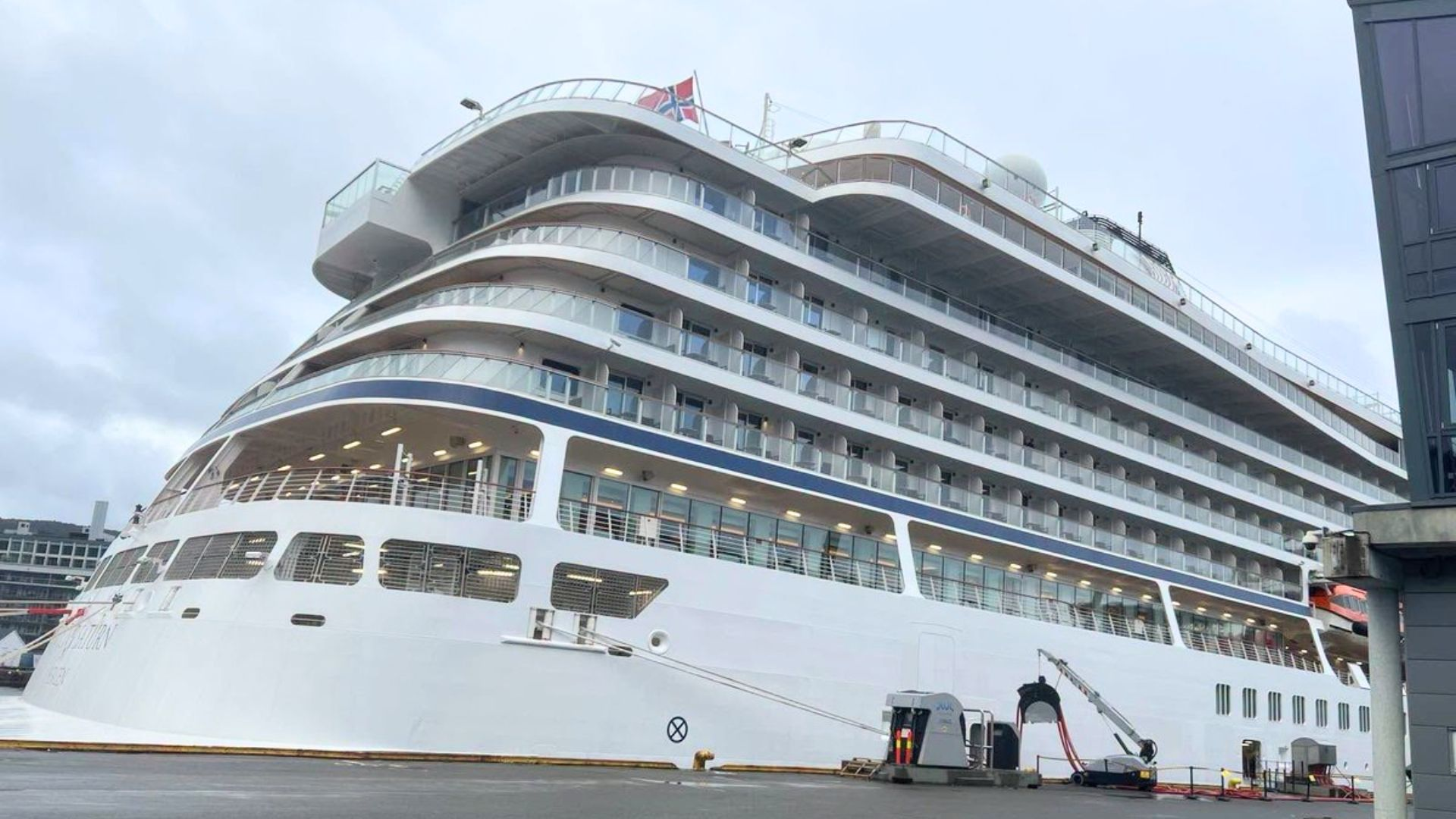
Photo courtesy: Philippine News Agency
MANILA, Philippines — The Department of Transportation (DOTr) is preparing to test electric and hybrid passenger ferries on two major interisland routes, aiming to reduce fuel costs, cut carbon emissions and make sea travel more sustainable in the Philippines.
Under the proposed pilot project, fully electric ferries are being considered for the Iloilo-Bacolod route, while hybrid vessels could operate between Batangas and Calapan.
The Maritime Industry Authority (MARINA) is leading preparations for the initiative, which supports the government’s efforts to modernize public transportation and reduce its environmental impact.
Transportation Secretary Giovanni Lopez said the project would examine how cleaner vessel technologies could work in Philippine waters and benefit passengers, ship operators and the environment.
He emphasized that reducing fuel consumption and operating expenses could eventually help make maritime transportation more efficient and affordable.
The proposed technologies would serve different types of routes. Electric ferries, powered by rechargeable batteries, are being considered for shorter crossings, while hybrid vessels combine conventional diesel engines with electric motors for longer journeys.
The plan follows a study by the International Maritime Organization and the World Bank examining ways to improve the energy efficiency and safety of domestic passenger ferries.
According to MARINA, the Philippines recorded approximately 69 million maritime passenger trips in 2025, highlighting the importance of improving the country’s interisland transport system.
The agency also identified around 300 interisland ferries responsible for approximately 86 per cent of carbon dioxide emissions from domestic ferries, despite representing only a small portion of the country’s roughly 4,000 domestic passenger vessels.
Beyond environmental benefits, the shift could lead to substantial savings for ship operators.
World Bank estimates indicate that an electric ferry may cost around US$10 million more to acquire than a conventional vessel. However, lower operating expenses could help recover that investment over time.
The study found that electric ferry operations could generate returns exceeding eight per cent, while a conventional ferry could spend between US$25 million and US$50 million on fuel alone over 15 years.
World Bank senior maritime transport specialist Ninan Biju Oommen said the financial model showed that operators could recover their costs over a 15-year operating period without necessarily increasing passenger fares.
The findings suggest that electric ferries could offer long-term financial advantages, although actual costs would depend on vessel technology, energy prices and operating conditions.
MARINA is also exploring the possibility of upgrading existing ferries with electric or hybrid systems rather than requiring operators to purchase entirely new vessels.
Archipelago Philippine Ferries Corporation president Christopher Pastrana has expressed willingness to convert an existing FastCat vessel to electric power as part of the pilot program.
The initiative could also create opportunities for Philippine shipbuilders to work with international technology providers.
MARINA previously identified electric ferries on shorter routes as one of the most practical starting points for reducing emissions in the domestic shipping industry. Its March 2026 assessment also considered hybrid technology for medium-distance routes and fuel-efficiency improvements for longer voyages.
To advance the project, the DOTr and MARINA will hold a stakeholder consultation in Iloilo on November 4.
Government agencies, shipowners, development partners and maritime industry representatives are expected to discuss vessel specifications, charging facilities, financing options and the feasibility of converting existing ships.
The consultation will help determine the requirements for implementing the pilot operations.
The project marks another step toward introducing cleaner ferry technology to the Philippines, where millions of passengers depend on maritime transport to travel between islands.