Education
Cayetano pushes review of K to 12, proposes cutting up to two school years

ASM, Philippine Canadian Inquirer
October 21, 2026
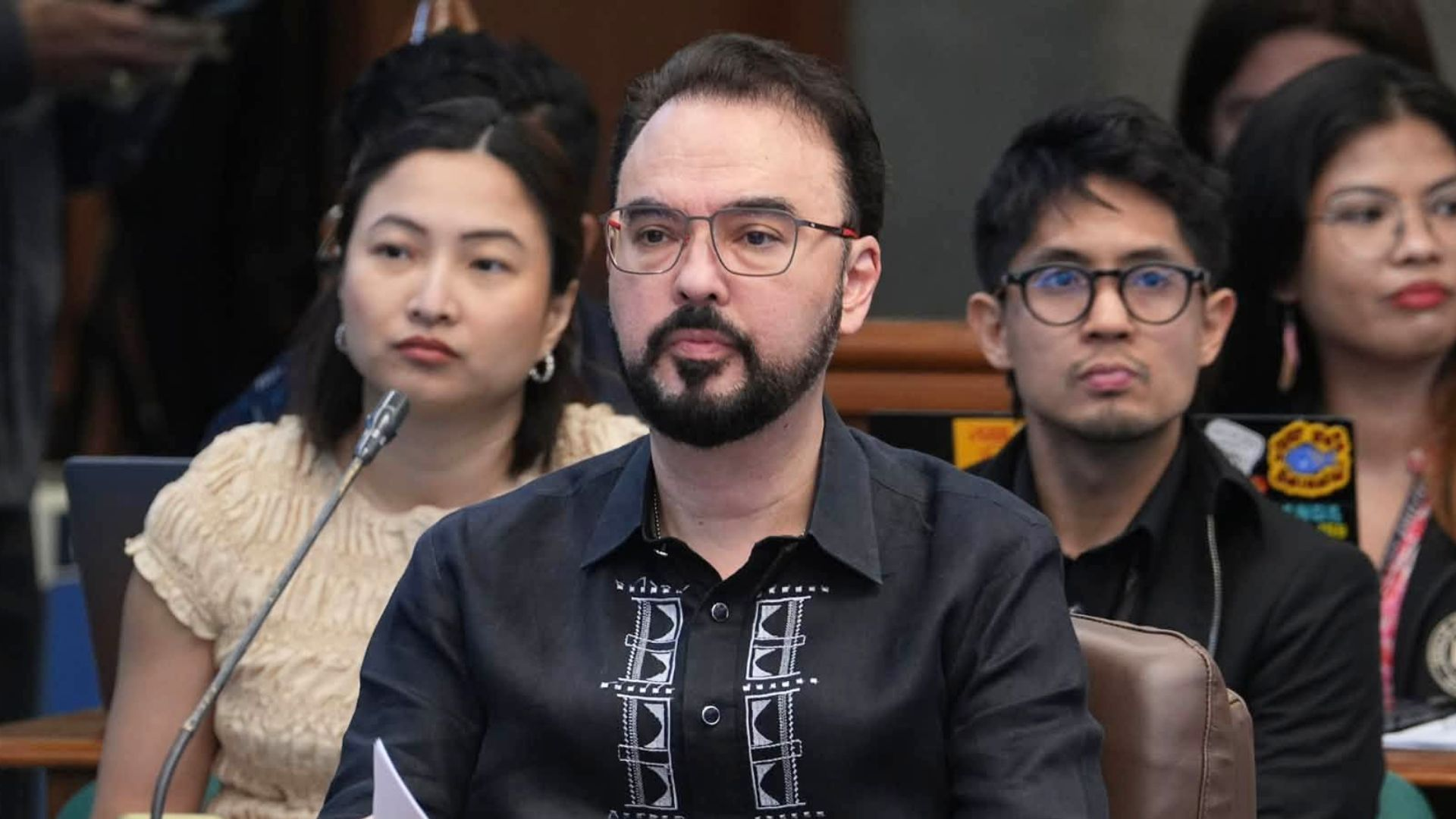
Photo courtesy: Senate of the Philippines
MANILA, Philippines — Senate Minority Leader Alan Peter Cayetano is calling for a review of the country’s K to 12 education system, proposing that the government consider removing one or two school years if it cannot afford to fully support the existing program.
During the Senate’s October 16 briefing on the Department of Education’s (DepEd) proposed 2027 budget, Cayetano urged Education Secretary Sonny Angara to open a formal discussion on whether the Philippines should continue with K to 12 or adopt a shorter basic education system.
His proposal includes the possibility of returning to K to 10 or shifting to K to 11, allowing the government to redirect limited resources toward improving the quality of education.
Cayetano questions funding for K to 12
Cayetano argued that the government must first determine whether it has enough money to sustain the current education system.
“Do we have the money for K to 12? And if not, what do we do?” he asked.
The senator pointed to the high cost of maintaining the program while many public schools continue to face classroom shortages, inadequate facilities and limited learning resources.
He suggested that shortening basic education could free up funding to improve school conditions and increase spending per student.
However, he also acknowledged that retaining K to 12 remains an option if the government can provide adequate financial support.
DepEd asked to assess school facilities
As part of the proposed review, Cayetano urged DepEd to conduct a nationwide inventory of school facilities and resources.
The assessment would examine whether schools have sufficient classrooms, clinics, guidance counseling offices, covered courts, music rooms and other essential facilities.
He suggested organizing the findings by region or congressional district to identify schools most in need of improvement.
The results could help the government determine how much additional funding is required to bring public schools closer to acceptable standards.
Cayetano also cited disparities in government spending between the Philippine Science High School and regular public schools.
He questioned whether better learning outcomes could be achieved by directing more resources toward improving existing facilities and classroom instruction.
Education budget faces funding challenges
The proposal comes as lawmakers review the government’s education spending plan for 2027.
According to Cayetano, the education budget decreased from approximately ₱961 billion under the 2026 General Appropriations Act to ₱916 billion in the proposed 2027 National Expenditure Program.
The allocation was further reduced to around ₱910 billion in the proposed General Appropriations Bill.
Cayetano said DepEd must explore major reforms that could improve learning outcomes without depending entirely on additional funding.
He also emphasized the need to invest in classrooms, better internet access, school feeding programs and other services that directly support students.
Senior high school remains part of K to 12
The K to 12 program was established under Republic Act No. 10533, or the Enhanced Basic Education Act of 2013.
It requires six years of elementary education, four years of junior high school and two years of senior high school.
Although the program has faced criticism over its cost and implementation, the government has continued introducing reforms rather than removing senior high school.
For School Year 2026–2027, DepEd began implementing its Strengthened Senior High School Curriculum for incoming Grade 11 students nationwide.
The revised curriculum aims to improve foundational skills, provide more flexible learning options and better prepare students for higher education, employment and entrepreneurship.
Grade 12 students in schools outside the pilot program continue to follow the existing curriculum during the transition.
No decision yet to shorten basic education
Cayetano previously raised similar concerns in January 2026, calling on the government to either fully fund K to 12 or consider reducing the required school years.
His latest remarks renew that discussion as DepEd and lawmakers examine how to improve education quality within the available budget.
However, the proposal remains under discussion. No legislation has been approved to remove Grades 11 or 12.
Any change to the number of school years required under Republic Act No. 10533 would require amendments to the law.
For now, Filipino students will continue following the K to 12 system while DepEd implements reforms to strengthen basic education.