Headline
First Bangsamoro parliamentary polls successful despite violence, ballot issues – Comelec

ASM, Philippine Canadian Inquirer
September 15, 2026
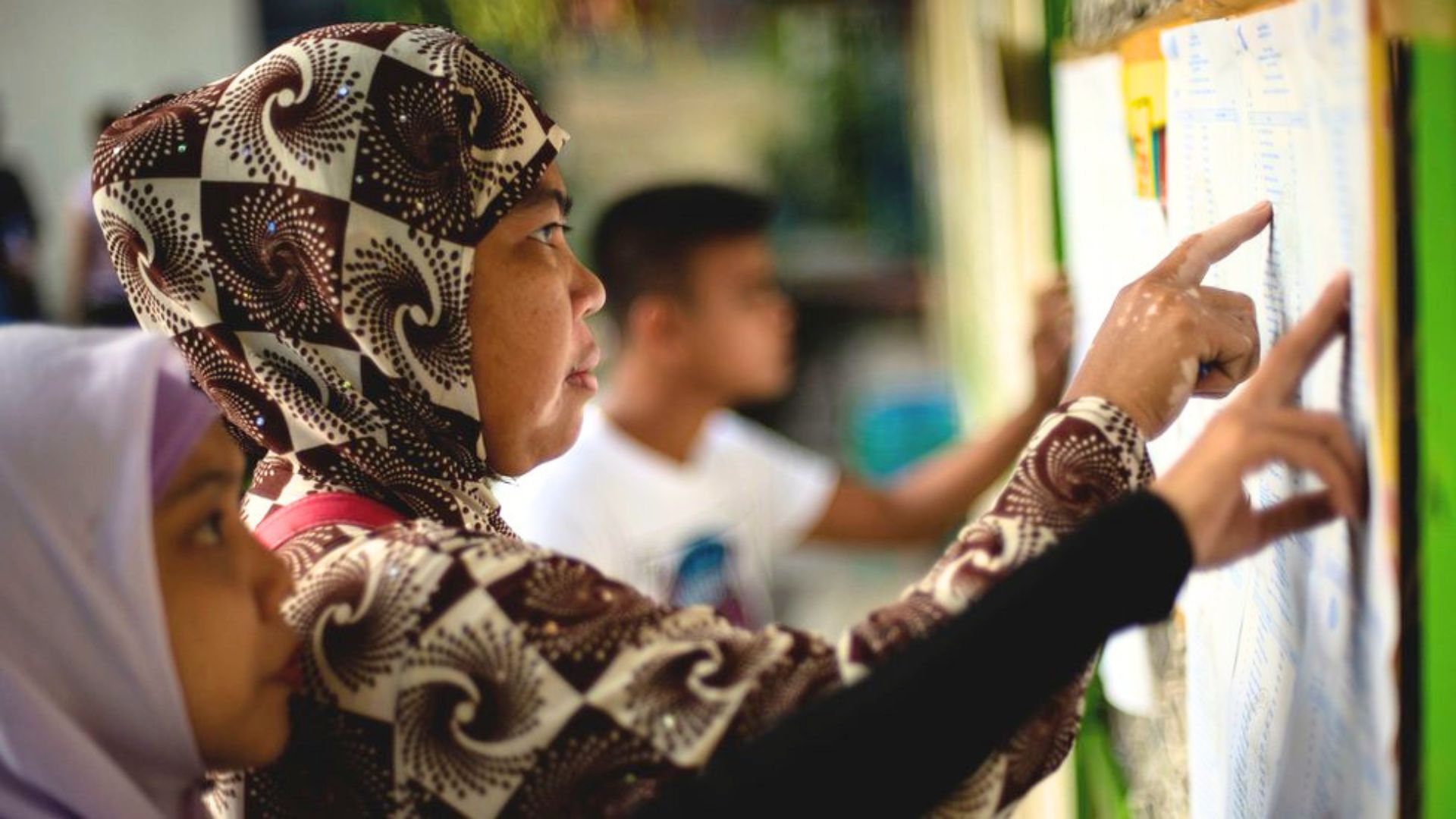
Photo courtesy: BBC
The Commission on Elections (Comelec) said the historic first Bangsamoro parliamentary elections were successfully conducted despite isolated violence, delayed voting and the discovery of pre-shaded ballots in parts of Basilan.
Comelec Chairperson George Erwin Garcia said the incidents recorded during the Sept. 14 polls did not result in a failure of elections, with voting proceeding in nearly all precincts across the Bangsamoro Autonomous Region in Muslim Mindanao (BARMM).
The election marked the first time voters in BARMM directly chose members of the Bangsamoro Parliament, a milestone in the region’s transition to a regular parliamentary government following years of interim governance.
Garcia acknowledged that explosions, shootings and other security incidents were reported in some areas, but said these did not prevent the broader conduct of voting.
In Basilan, voting in Al-Barka was delayed until around 10:30 a.m. after a confrontation disrupted the entry of teachers and delivery of election materials. Comelec later extended voting in the area to allow affected residents to cast their ballots.
Another major issue emerged in Maluso, Basilan, where Comelec discovered pre-shaded ballots affecting 36 of the municipality’s 68 precincts.
The poll body ordered the compromised ballots replaced and placed Maluso under Comelec control. Garcia said the incident did not automatically constitute a failure of elections, as authorities moved to allow voting to proceed using replacement ballots.
Comelec has also said electoral sabotage charges could be pursued against those responsible for tampering with the ballots.
Despite the disruptions, Garcia said voters continued to participate in the elections and that the overwhelming majority of polling places were able to open and conduct voting.
The first Bangsamoro parliamentary elections were held to fill 80 seats in the regional parliament, comprising representatives from political parties, parliamentary districts and sectoral groups.
The elected parliament will eventually choose the region’s chief minister, formally moving BARMM from its transitional authority into its first regularly elected parliamentary government.