Art and Culture
Where the river remembers: The Punnuk tradition flowing through Ifugao

Floyd Brenz., Philippine Canadian Inquirer
August 19, 2026
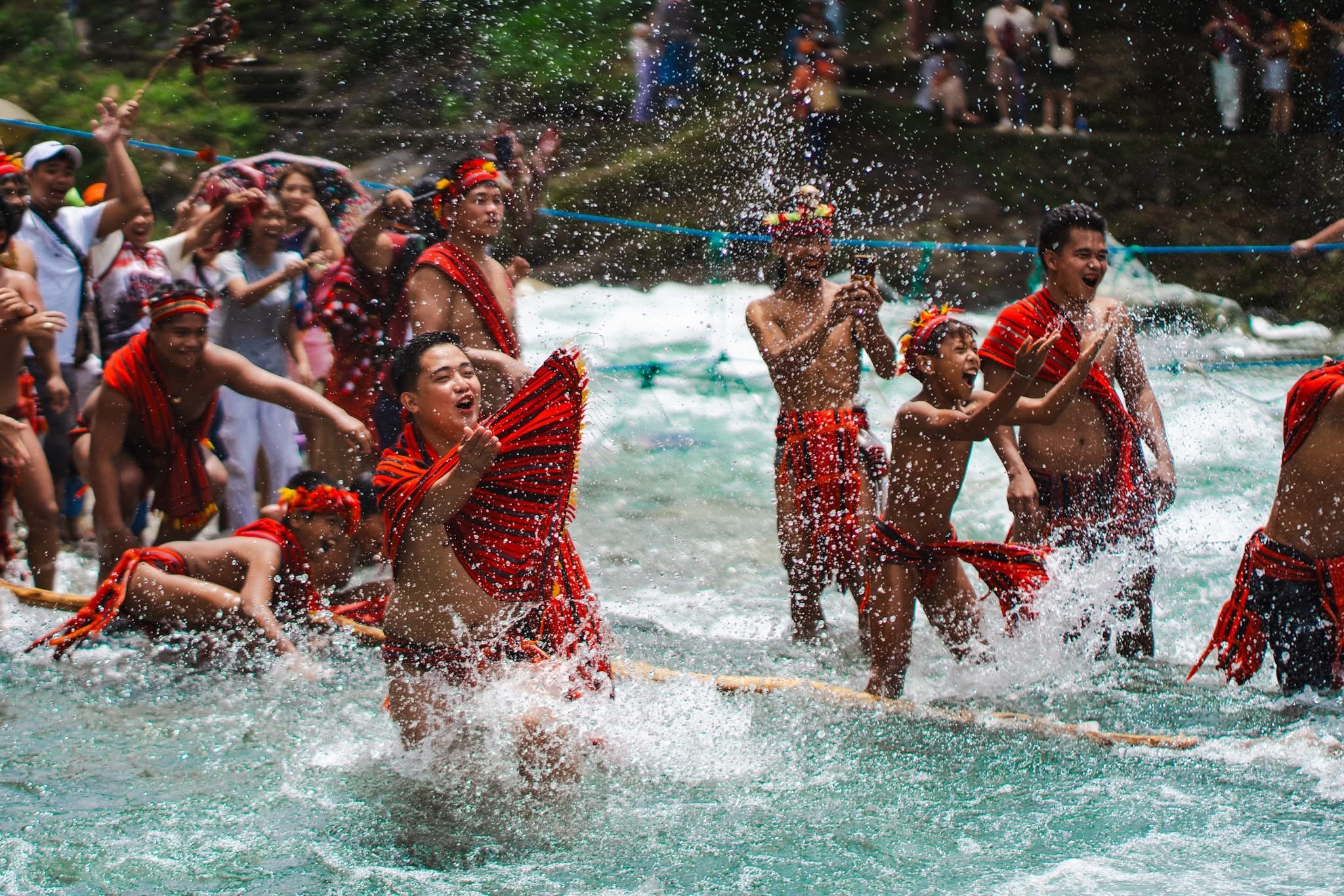
Photo Courtesy: Migz On-onod (Facebook)
HUNGDUAN, Ifugao, Philippines — The harvest may be over, but along the Hapao River, the celebration is only beginning.
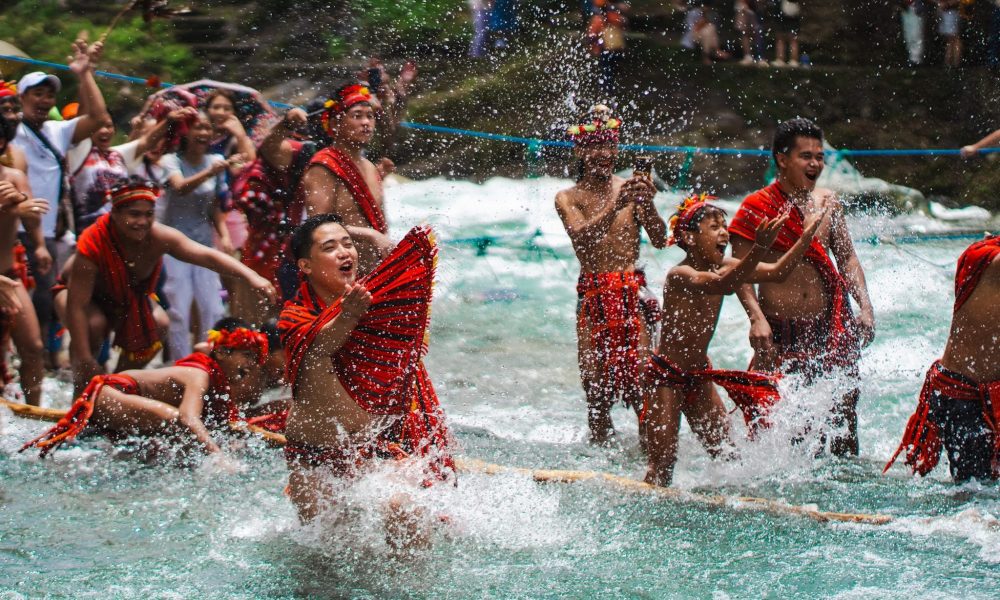
Every year, when the rice fields of Hungduan have yielded their harvest, communities from Hapao, Baang and Nungulunan gather by the river for Punnuk, a traditional tugging ritual that brings together farmers, families and generations.
With a pakid, a hooked sapling, and a kina-ag made from bundled rice stalks, participants wade into the river and pull against one another.
To an outsider, it may look like a simple game.
For the people of Hungduan, it is much more.
Punnuk marks the closing of the huowah, the post-harvest rituals that complete the rice-growing cycle. It is a moment when work gives way to celebration and communities come together to honor another season of planting, tending and harvesting.
But the tradition cannot be separated from the landscape that surrounds it.
Above the river stand the payo, the Ifugao rice terraces. Beyond them are the muyong, managed forests that help protect the mountains and regulate the water flowing into the fields. The uma, household farms, and generations of farming knowledge are also part of the same system.
Here, the rice terraces are not simply walls carved into mountainsides.
They are a way of life.
The Punnuk ritual is part of UNESCO’s multinational inscription of “Tugging Rituals and Games,” recognizing a tradition that exists not only as a cultural performance but as part of a living agricultural community.
Yet preserving that heritage is becoming increasingly difficult.
Maintaining terrace walls, clearing irrigation canals and cultivating traditional rice varieties require time, labor and resources, while farming often provides limited income for families.
That is why the future of Punnuk may ultimately depend on the future of the terraces—and on whether younger generations can continue to see value in the land their ancestors cultivated.
For the people of Hungduan, the river is more than a place for a festival.