By Jean-Nicolas Reyt, McGill University; The Conversation
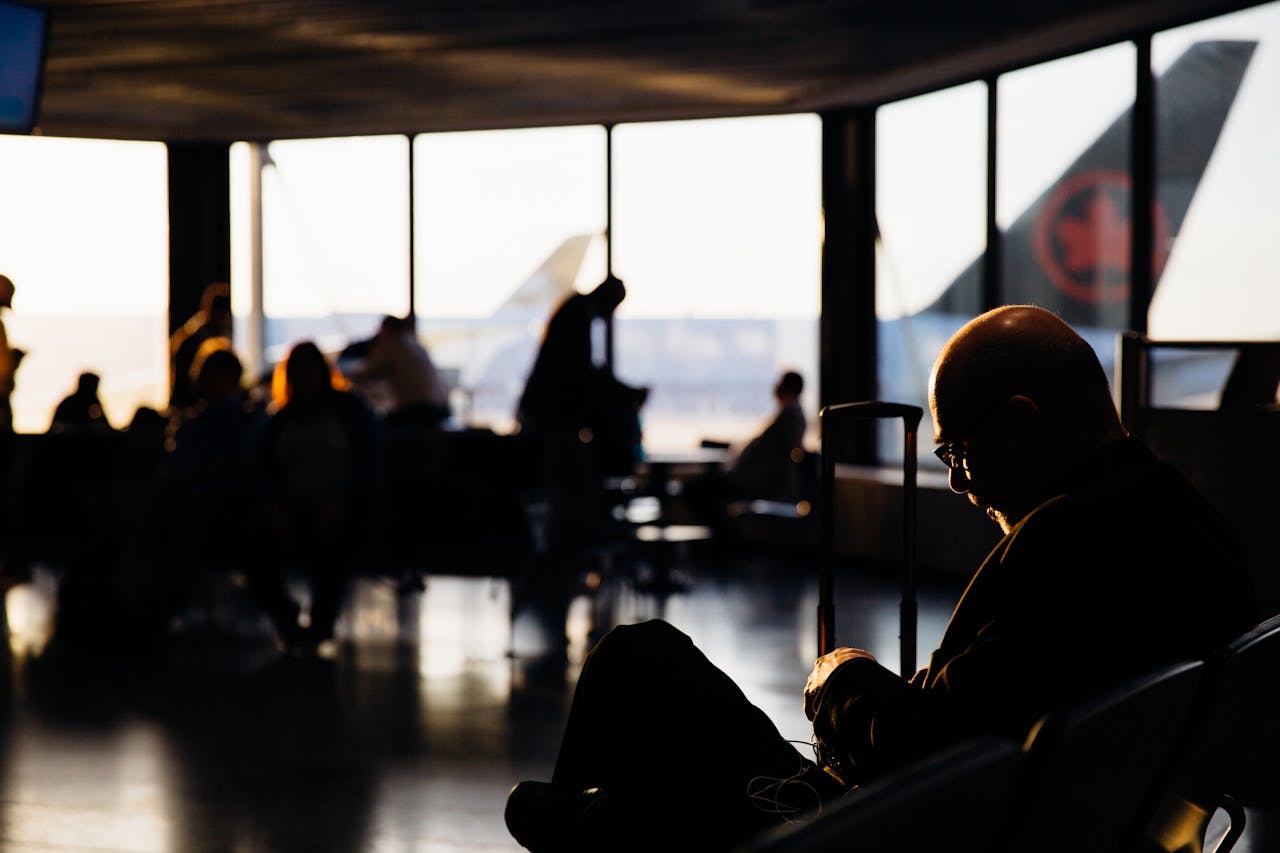
The Air Canada strike combines three powerful stressors: uncertainty, lack of control and crowding. (Pexels Photo)
The emails from Air Canada came without warning: flights cancelled at the last minute, no way to get home and no one at Air Canada answering the phones despite repeated calls. Days went by without a solution.
The disruption stems from a strike that began on Aug. 16 when some 10,000 Air Canada flight attendants walked off the job after months of unsuccessful talks over compensation and working conditions. In the wake of it, more than 100,000 passengers were left stranded.
A tentative agreement to end the contract dispute between Air Canada and its flight attendants has since been reached, and flights are gradually resuming. But many travellers are still stuck abroad or facing lengthy layovers and long lines in crowded airports as they rebook alternative routes.
For those caught up in it, the experience has been draining and overwhelming. Air Canada has said it could take up to a week for full operations to resume, leaving Canadians stranded abroad, still waiting for a path home.
I am one of those stranded passengers. I also teach management and study how people respond in high-stress, uncertain situations and how they can handle them more effectively.
Research has long shown that uncertainty and scarcity push ordinary people toward frustration and conflict, often in ways that make matters worse. In this piece, I will share a few research-backed strategies to help make an unbearable situation a little easier to navigate.
Why this moment feels so stressful
The Air Canada strike combines three powerful stressors: uncertainty, lack of control and crowding. Travellers do not know when or how they will get home, they cannot influence the pace of solutions and they are surrounded by others competing for the same resources.
Each of these factors is already stressful on its own, and combined, they can overwhelm even the most patient individuals. In these volatile conditions, frustration builds and there is a strong urge to lash out.
Anger might seem like a way to regain control, or at least to feel noticed in the chaos. While it’s an understandable reaction, it rarely improves such situations.
Reacting out of anger often leads us to make emotional rather than rational decisions, such as yelling to feel heard. This behaviour can close off communication with the very people whose help is needed. It also drains our resilience at the moment when it matters most.
Importantly, anger is often directed at front-line staff who represent the organization, but have little control over the root causes of disruption. In ordinary times, these employees already face a considerable amount of abuse from customers. In moments of widespread disruption, that mistreatment can quickly become unbearable.
What you can do instead
Although the situation is frustrating and unfair, research has identified practical ways to make it a little more bearable and of improving how travellers navigate it. Here are three strategies supported by scientific studies, including research I conducted with colleagues:
1. Remember this is a collective problem.
My research has found that people stuck in crowded environments feel less frustrated when they think of the situation in collective terms. Airline staff are not opponents; they are trying to help thousands of stranded passengers at once. Approach them as partners in a shared challenge as much as you can. Seeing the situation as a collective issue, rather than a personal one, can make it easier to cope and connect with those who can assist you.
2. Bring your attention inward.
Crowded airports and long layovers can make every minute feel longer and harder to go through. In several studies on how to handle stressful crowds, my co-researchers and I found that focusing on personal media — a book, a tablet or music through headphones — can reduce stress by narrowing your sense of the crowd. Instead of feeding off the chaos and getting more agitated, try to give your mind a smaller, calmer space to settle in. The wait may still be long, but it will feel more manageable.
3. Be polite and respectful with staff.
Showing respect isn’t just courteous; it’s an effective way to manage conflict. In their book Getting to Yes, negotiations experts Roger Fisher and William Ury famously argued to “separate the people from the problem.”
This lesson applies here as well: always treat staff with dignity, even when the situation is frustrating, and focus on solving the real issue. Airline employees may have limited resources, but they are more likely to help travellers who remain calm, clear and respectful.
None of this diminishes how exhausting and unfair the situation feels. However, while travellers cannot control cancelled flights or the pace of labour negotiations, we can control how we respond to these stressors.
Seeing the situation as a shared problem, finding ways to manage our own stress and treating staff with respect can make the experience more bearable. More importantly, these strategies improve our chances of getting help when opportunities arise.
Jean-Nicolas Reyt, Management Professor, McGill University
This article is republished from The Conversation under a Creative Commons license. Read the original article.