
Canada News
Yukon’s Southern Lakes caribou recover as communities reconnect with the herds

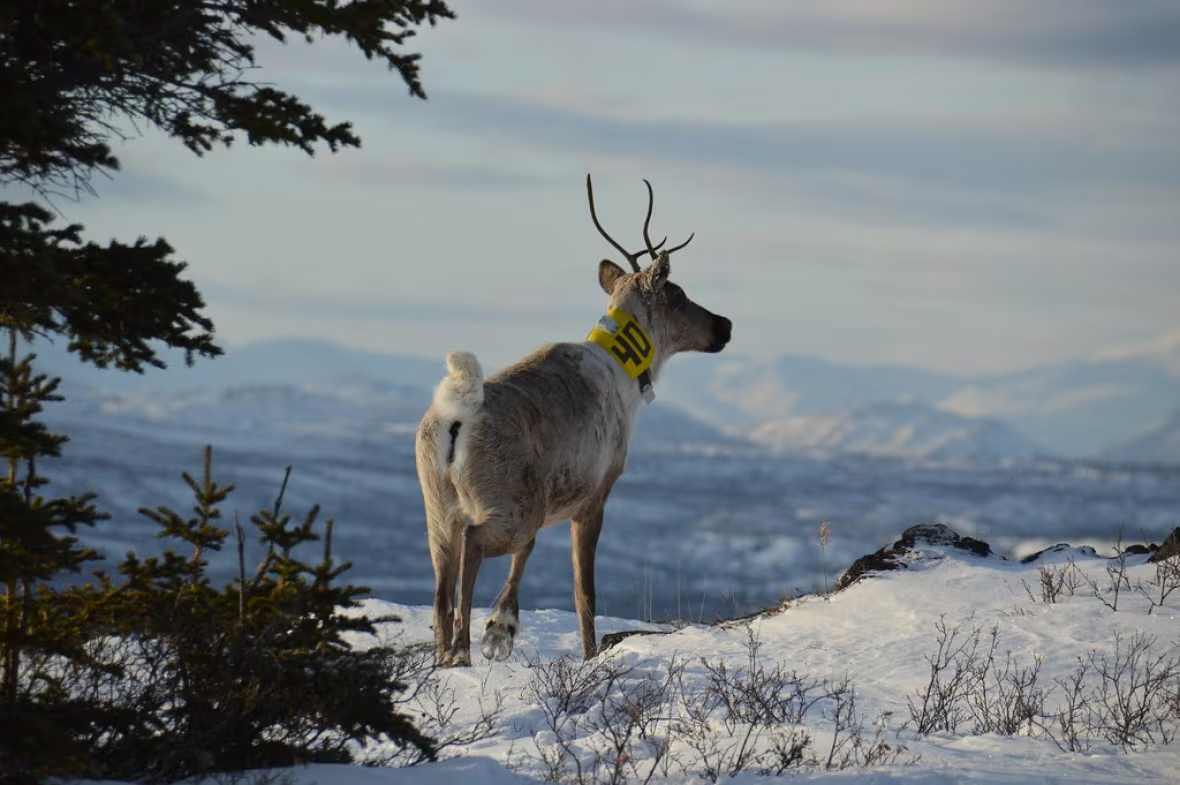
A caribou from the Ibex herd in 2020, wearing a GPS collar used to help track the animals and monitor the herd. (Government of Yukon)
By Tori Fitzpatrick, RCI, CBC News
Nine governments signed a plan to protect Southern Lakes caribou and their relationship with people
An ambitious new plan aims to redefine the relationship between caribou and people in Yukon’s Southern Lakes region, including by allowing Indigenous youth an opportunity to hunt the animals for the first time in decades.
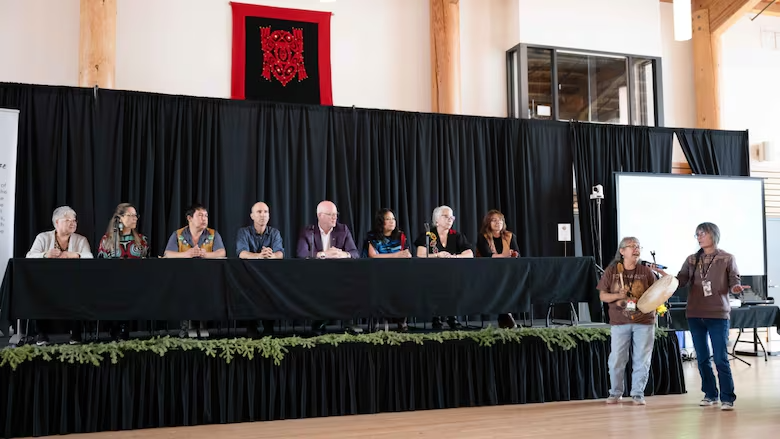
Nine government leaders signed the Southern Lakes Caribou Relationship Plan at a gathering in Carcross last week. It’s a culmination of 32 years of recovery efforts that helped the herds’ bounce back from roughly 1,000 individuals in 1993, to nearly 5,000 as of 2019. Southern Lakes caribou include four herds — Carcross, Ibex, Laberge and Atlin — of Northern Mountain caribou in the Yukon and northern B.C.
“As a kid growing up, I used to watch a mountainside and it seemed like the whole mountain moved when there were so many caribou and I never thought we’d have to protect them,” said Taku River Tlingit elder James Williams.
The new relationship plan outlines how six First Nations, with the Yukon, B.C., and federal governments, will continue to build the relationship between people and caribou in the region. The plan is shaped by both traditional knowledge and Western science.
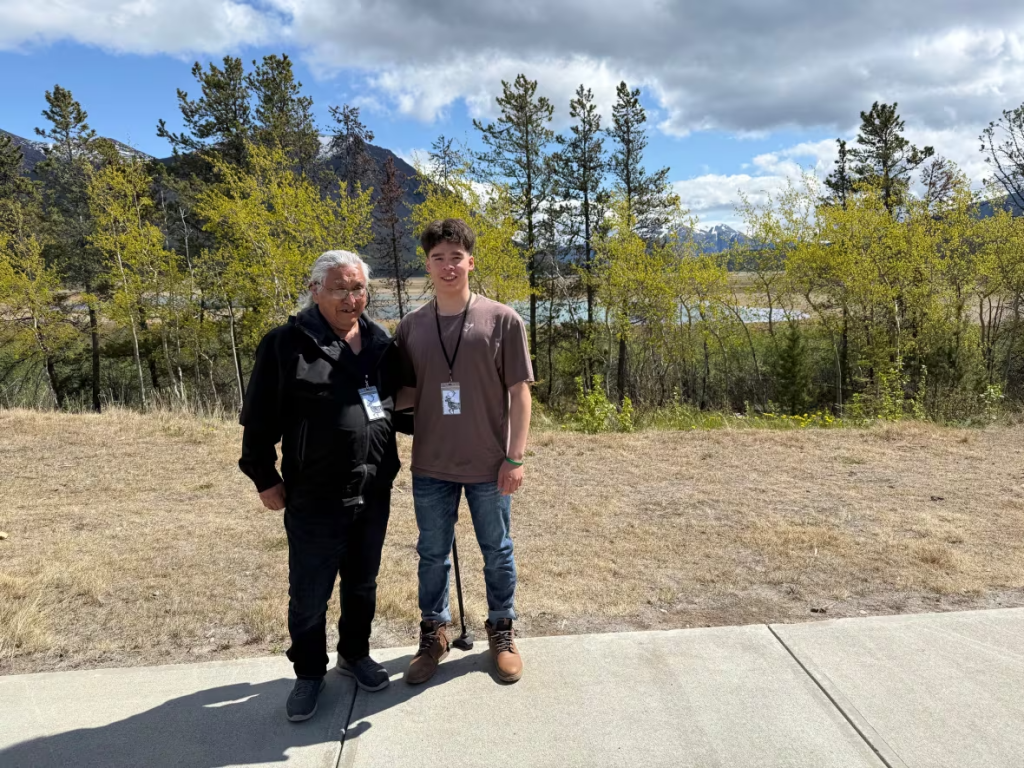
“The First Nations are behind the relationship plan,” said Carcross/Tagish First Nation elder Charlie James. “It still took many years for us to get to where we are today. And it’s all about caribou, and it’s all about the relationship that we have with caribou and the land.”
One of the plan’s commitments is for First Nations to hold cultural caribou hunts, where elders and hunters teach youth how to hunt a caribou. Kwanlin Dün First Nation is hoping to hold a caribou hunt as part of its youth culture camp this fall, said Lars Jessup, project manager for the Southern Lakes caribou steering committee.
In 1993, when the initial caribou recovery plan was drafted, First Nations in the Southern Lakes region endorsed a voluntary ban on caribou subsistence hunting. The subsistence hunting ban remains in place under the new plan, but cultural hunts will be an opportunity for the Nations to educate their youth.
“Not to go shoot caribou for the sake of shooting caribou, but to teach our young people how our ancestors used to take care of caribou,” James said.
Increasing threats to caribou
The plan also includes recommendations for how to manage threats to caribou, which have become more significant with the region’s growing human population.
“We want to make sure that we don’t lose what we’ve gained in those 30 years and … there continues to be a real risk to these caribou,” Jessup said. “They live right around the largest population centre in the Yukon and that population centre has grown substantially in the last 15 years.”
Threats to Southern Lakes caribou include human development, outdoor recreation, increased predation from wolves and bears, and vehicle collisions.
“Vehicle collisions continue to take a real toll, particularly for the Carcross and Laberge herds,” Jessup said. “We lose an average of seven caribou a year on highways … we’re losing, in some cases, what the government of Yukon and the government of B.C. might consider a sustainable harvest rate, which would be in the realm of two to four per cent.”
Those attending the gathering last week discussed various ways to mitigate vehicle collisions, from increased highway signage, reduced speed limits, and the possibility of asking RCMP for help with enforcement.
A key piece of the recovery program that will continue under the new plan is the ongoing monitoring of the herds, led by both biologists and First Nations game guardians and land monitors.
Land monitors and game guardians conduct ground-based monitoring and the Yukon and B.C. governments use GPS collars to track caribou in the herds. During the fall, when the herds congregate, teams also conduct aerial surveys.
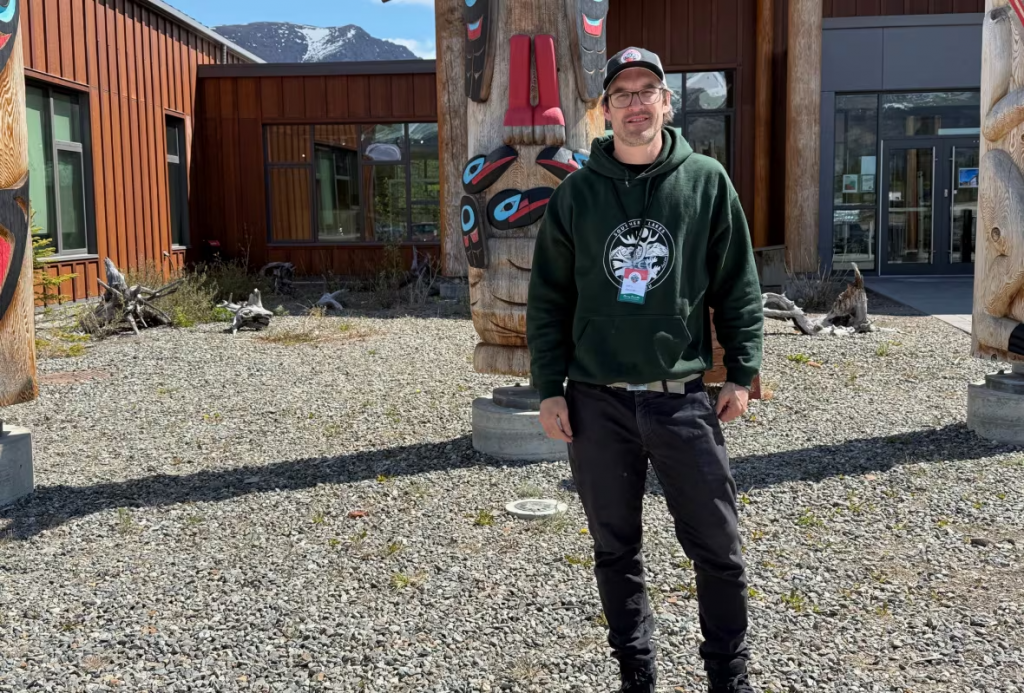
Luke Wesley, a Taku River Tlingit First Nation land guardian, has been collecting data on the Atlin herd for the last two years. Wesley has participated in on-the-ground monitoring in the winter, using a snowmobile to observe caribou behaviour. He has also conducted different types of aerial surveys.
“We dive into the ratios between males, females and calves, to get a better understanding of what the population is like and how it’s growing,” Wesley said. “And we also do aerial [recreation] surveys to see what’s going on in migration routes and to see if there is any human activity affecting these migration routes.”
This work means a lot to Wesley.
“All my uncles and the elders in my community would talk about how they would be able to live off these caribou … and growing up as a kid I wouldn’t see very much caribou, never hunted caribou.” Wesley said. “And now that they’re coming back … it’s very special to me.”
Reason to celebrate after years of sacrifice
The Southern Lakes steering committee plans to hold an annual caribou gathering, like the one in Carcross last week, each spring. It will bring Southern Lakes communities together to continue to protect caribou and celebrate what’s been accomplished so far.
“Really one of the greatest success stories of the Southern Lakes is the fact that … we had nine government leaders up on the stage here at the annual gathering, showing their support for the caribou recovery program generally, and the Caribou Relationship Plan specifically,” Jessup said.
“It’s just a testament to the caribou and what they can do to bring people together and bring communities and governments together.”
This article is republished from RCI.




















