
Environment & Nature
New Antarctica Map Reveals Ice Vulnerability and Enhances Climate Change Predictions

PCI
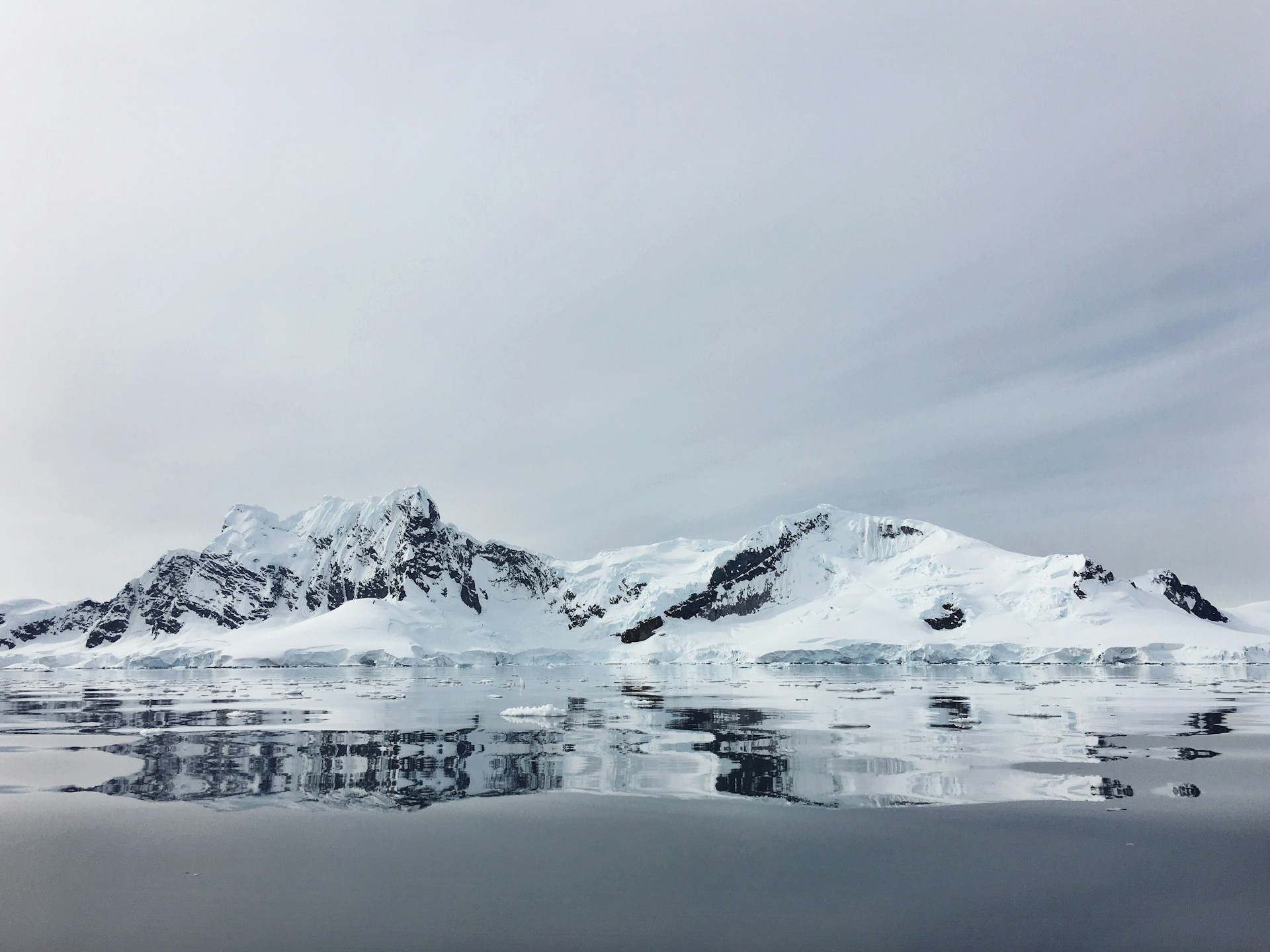
A key finding from the map is that the thickest ice is in an unexpected place. (File Photo: Cassie Matias/Unsplash)
A new map of Antarctica helps scientists understand how ice moves and melts because of climate change. This is important for predicting future sea-level rise. The map, called Bedmap3, was created by a global team led by the British Antarctic Survey (BAS). It shows detailed features of the continent, including mountains, canyons, and ice flows. These features are important for predicting how Antarctica will respond to global warming.
A key finding from the map is that the thickest ice is in an unexpected place. Earlier surveys suggested that this ice was in the Astrolabe Basin, but Bedmap3 shows that the ice is deepest in a little-known canyon in Wilkes Land, reaching nearly 4,800 meters. This revelation is just one example of how the new data collected over 60 years from satellites, aircraft, ships, and even dog sleds has improved our understanding of the continent.
The most important takeaway from Bedmap3 is that Antarctica may be more vulnerable to climate change than previously thought. The map shows that most ice sheets are below sea level, making it more at risk from warm ocean currents. This raises the chances of the ice melting, which could lead to higher sea levels. Peter Fretwell, a co-author of the study, says that the map shows that Antarctica is a bit more vulnerable than scientists thought because of these warmer ocean currents.
Scientists can now update their computer models to predict better how ice will move as global temperatures rise. Hamish Pritchard, the lead author, says the map helps researchers understand ice flow across the continent. It shows that some areas may melt faster than others.
Overall, Bedmap3 is an important tool for understanding and addressing the impacts of climate change. By offering a clearer picture of Antarctica’s ice, it will help scientists improve climate models and guide decisions about managing climate change.




















