
Canada News
Trudeau to announce $20B in child care deals with 10 provinces and territories

By Louis Blouin, CBC News, RCI
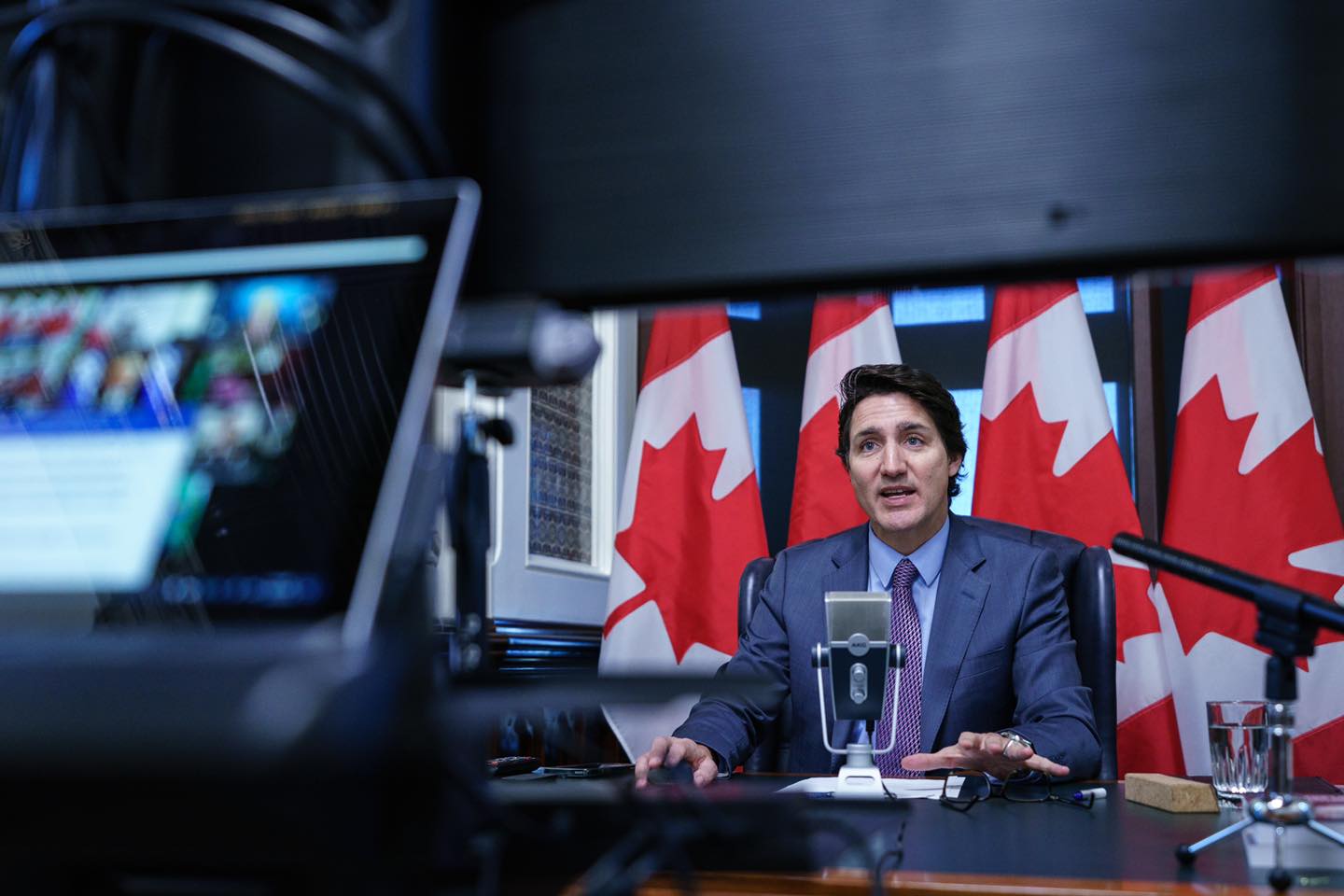
The agreements signed by the Trudeau government provide for an increase in base funding of three per cent per year for four years, starting in 2027-2028, to take into account the increase in operating costs of day cares. (File Photo: Justin Trudeau/Facebook)
Agreements will increase base funding by 3% per year for 4 years, starting in 2027-28
Prime Minister Justin Trudeau will announce that his government has signed agreements totalling almost $20 billion over five years with 10 provinces and territories to extend the federal child care space program, Radio-Canada has learned.
With just days to go before he leaves office, Trudeau is making the move to ensure the long-term viability of one of his government’s flagship policies.
In Ottawa on Thursday morning, Trudeau will announce that he is extending early learning and child care agreements for five years (2026-2031), which aim to create more spaces at an average cost of $10 per day across the country.
The agreements signed by the Trudeau government provide for an increase in base funding of three per cent per year for four years, starting in 2027-2028, to take into account the increase in operating costs of day cares.
At the time of publication, the Trudeau government had not yet reached an agreement with Ontario, despite offering the province $16.77 billion. In addition to Ontario, Ottawa has not managed to reach an agreement with Alberta and Saskatchewan. CBC is not aware of what these Western provinces were offered.
This is how the $20 billion will be distributed:
- Quebec: $9.83 billion.
- British Columbia: $5.38 billion.
- Manitoba: $1.9 billion.
- Nova Scotia: $1.05 billion.
- New Brunswick: $876 million.
- Newfoundland and Labrador: $503 million.
- Prince Edward Island: $199 million.
- Nunavut: $109 million.
- Northwest Territories: $80 million.
- Yukon: $74 million.
Discussions between the Trudeau government and the three provinces that have not signed an agreement are continuing.
According to the federal government, these investments will move it closer to its objective of creating 250,000 new spaces at an average daily cost of $10 by March 2026.
However, Radio-Canada revealed last year that the labour shortage, inflation and the complexity of the program are complicating the realization of this promise.
In theory, the next prime minister could tear up the agreements, but that would risk causing tensions with the signatory provinces.
Pierre Poilievre’s Conservative Party voted for the legislation that created the program, but he is promising changes if he takes power to end the chaos
in child care.
Former central banker Mark Carney, seen as the frontrunner in the Liberal leadership race, has promised not to cut federal transfers to provinces and individuals.
For the first phase of the federal child care program, launched in 2021, Ottawa invested $27 billion over five years and reached an agreement with the 13 provinces and territories.
As part of these agreements, the Trudeau government paid $6 billion to Quebec. It is Quebec that will choose where these sums will go , François Legault recalled in 2021, emphasizing that early childhood education is a provincial jurisdiction.
This article is republished from RCI.




















