
Canada News
Protecting the ocean floor could help mitigate climate change

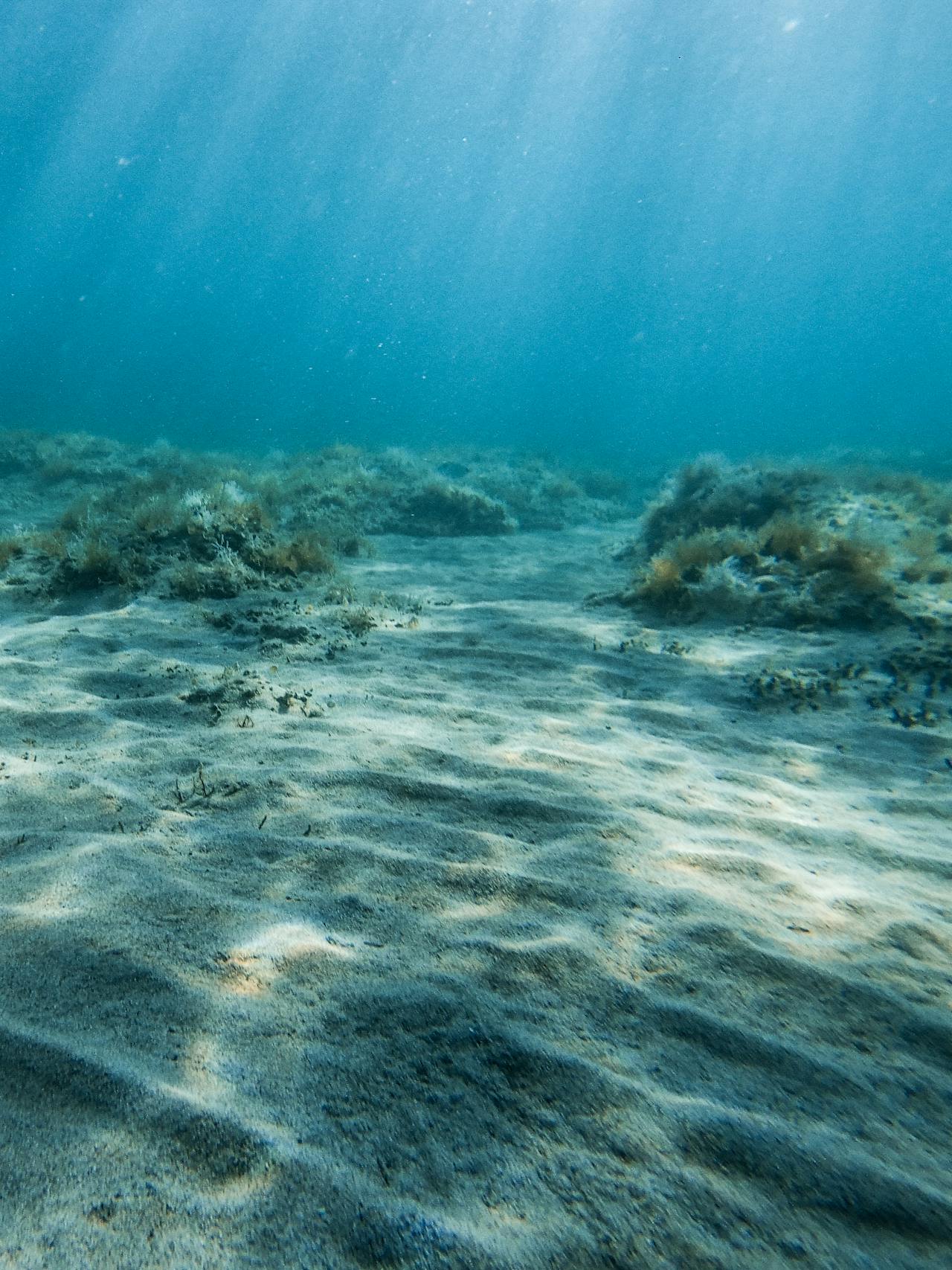
Natural carbon storage in sediments on the seafloor should become part of marine protected area planning. (Pexels Photo)
In an attempt to reverse the global decline of marine biodiversity, 196 countries agreed recently in Montreal to create marine protected areas across 30 per cent of their seas by 2030.
As well as helping species and plants in the oceans, these marine protected areas (MPAs) can also improve human well-being.
One potential benefit is mitigating climate change by protecting marine habitats that naturally store carbon.
Some areas, mostly near coastlines, are already being designated accordingly, but this should be expanded to include areas of the ocean floor that are currently ignored, such as carbon-intense “hot spots” of muddy seabed sediment.
Interest in this “blue carbon” has been focused on mangrove forests, salt marshes and seagrass meadows because they can directly capture CO2 and store large amounts of carbon within their soils, like forests on land.
The benefits of taking care of the ocean floor
These habitats have also been heavily degraded by human activities, so better management and increased protection could improve their health and expand their size.
In comparison to these lush green habitats on our coastlines, the “soils” on the ocean floor may seem empty and unimportant.
However, they actually contain unique, diverse and often fragile species and are vital for the appropriate functioning of all marine ecosystems.
These seafloor sediments are also the final point in the marine carbon cycle. Because they cover the majority of the ocean floor, they make up one of the planet’s largest stores of carbon.
There is also increasing evidence that human activities – such as fishing, energy generation, mining and construction – are disrupting the carbon found in seafloor sediments.
Canada has work to do
So far, Canada has designated 15.5 per cent of its seas as MPAs but has joined other countries in a commitment to protect 25 per cent by 2025 and 30 per cent by 2030.
Canada’s marine governing body has also stated that climate change mitigation is an aim of its MPA network development
But to date, only salt marshes, seagrass beds and kelp forests have been proposed for inclusion in an MPA.
A recent study makes the case for protecting key areas of the seafloor to increase the chance of Canada’s expanding MPA network providing climate change mitigation benefits.
It is estimated that on a per-unit area basis, Canada’s seafloor sediments contain significantly lower amounts of carbon when compared to Canada’s salt marshes, and forests and soils on land.
But seafloor carbon is not distributed uniformly. Certain areas contain carbon stocks and burial rates similar to, or even higher than, these more widely recognized carbon-storing habitats.
These hotspots – found in fjords, inlets and bays as well some troughs and channels further offshore – cover only around two per cent of the seafloor but are estimated to contain total amounts of carbon at least 10 times that of Canada’s salt marshes and seagrass meadows combined.
This presents an opportunity to protect a large amount of carbon in only a small area of Canada’s waters.
The study estimates that Canada’s current MPA network encompasses only 11 per cent of the carbon contained in the seafloor down to depths of 2,500 meters and only around 13 per cent of the carbon hotspots.
The best available data on currently proposed and future MPAs to around 2025 indicates that these areas would provide protection to an additional nine per cent of the total seafloor carbon and six per cent of the carbon hotspots.
Even though these MPAs were designed without considering carbon, the management measures put in place will benefit seafloor sediments in many cases.
For example, the federal prohibits bottom trawling, oil and gas work, mining and dumping within MPAs created after 2019.
Challenges in restoring Canadian marine biodiversity
The high seas provide an opportunity for Canadian leadership
By selecting the seafloor carbon hotspots that lie outside current and planned MPAs, a set of priority areas were identified for future research and potential protection.
These areas were ranked based on the estimated amount of carbon, the potential vulnerability of the carbon, and the ecological and biological significance of the area.
The highest priority areas in British Columbia include the Queen Charlotte Strait and northern Salish Sea, as well as many of the fjords and inlets on the west coasts of Vancouver Island and the mainland.
In the Atlantic, the highest priority areas include Placentia, Passamaquoddy, Mahone and Trinity bays, as well as parts of the Laurentian Channel and Scotian Shelf.
Precautionary protection was also suggested for seafloor sediments within the Arctic that have high carbon and lie outside of the Canadian MPA network, such as the Foxe Basin, the Beaufort Shelf and Canadian Arctic fjords.
It is challenging to accurately calculate the climate change mitigation benefits that come from protecting an area of sediment on the ocean floor. Therefore, a large amount of further research is needed.
However, the new study argues that there are many similar uncertainties for habitats already proposed to be included within Canada’s MPA network, such as salt marshes, seagrass beds and kelp forests.
Overall, where nations are developing plans for expanding their MPA networks, the inclusion of seafloor carbon hotspots would represent a low-risk precautionary policy toward climate change mitigation.
This article first appeared on Policy Options and is republished here under a Creative Commons license.




















