

By Ashley Bradford, Georgia Institute of Technology; The Conversation
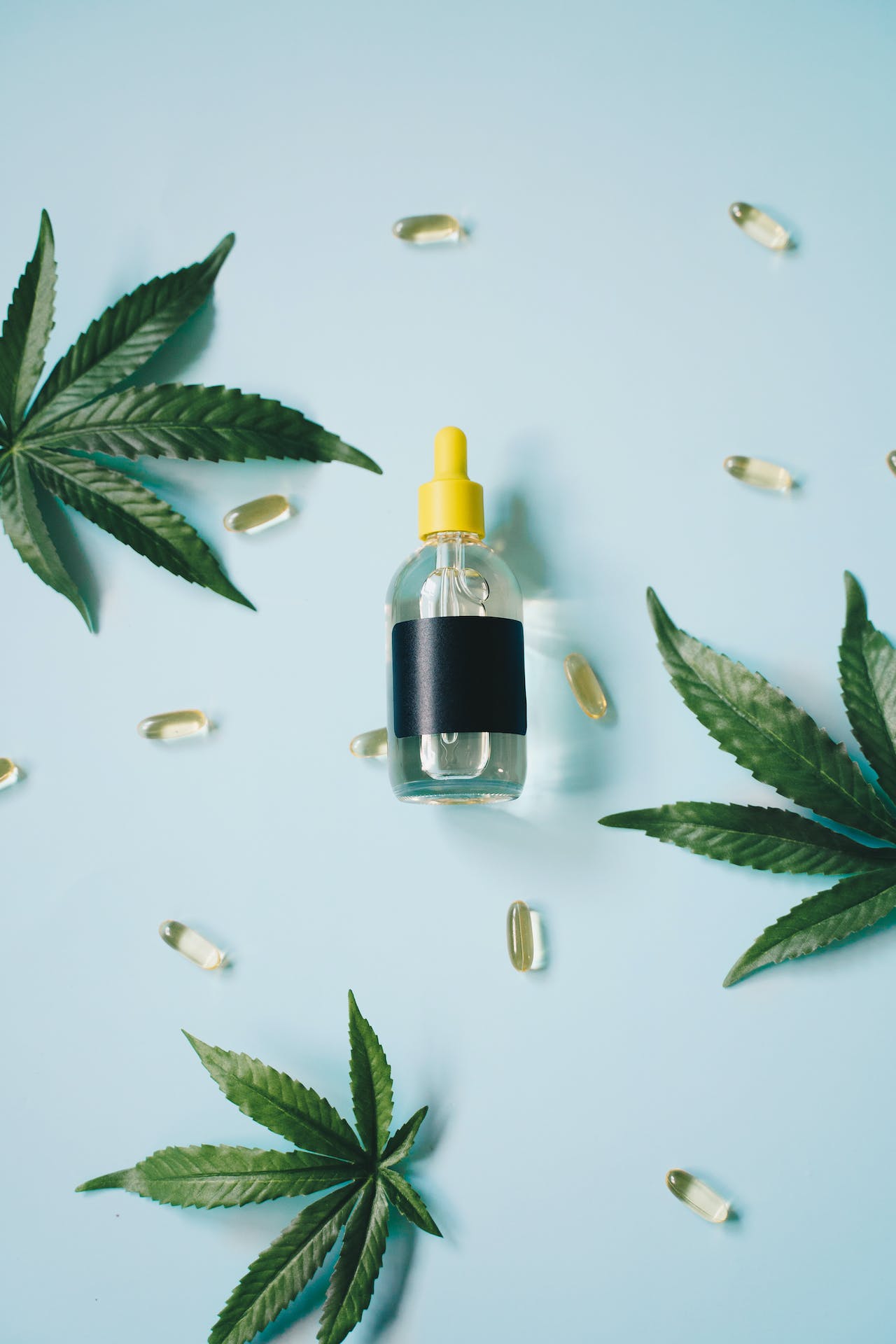
Marijuana access introduces an alternative treatment to traditional prescription medication that may provide easier access for some patients. (Pexels Photo)
In states where both medical and recreational marijuana are legal, fewer patients are filling prescriptions for medications used to treat anxiety. That is the key finding of my recent study, published in the journal JAMA Network Open.
I am an applied policy researcher who studies the economics of risky behaviors and substance use within the United States. My collaborators and I wanted to understand how medical and recreational marijuana laws and marijuana dispensary openings have affected the rate at which patients fill prescriptions for anti-anxiety medications among people who have private medical insurance.
These include:
- Benzodiazepines, which work by increasing the level of gamma-aminobutyric acid, or GABA, a neurotransmitter that elicits a calming effect by reducing activity in the nervous system. This category includes the depressants Valium, Xanax and Ativan, among others.
- Antipsychotics, a class of drug that addresses psychosis symptoms in a variety of ways.
- Antidepressants, which relieve symptoms of depression by affecting neurotransmitters such as serotonin, norepinephrine and dopamine. The most well-known example of these is selective serotonin re-uptake inhibitors, or SSRIs.
We also included barbiturates, which are sedatives, and sleep medications – sometimes called “Z-drugs” – both of which are used to treat insomnia. In contrast to the other three categories, we did not estimate any policy impacts for either of these types of drugs.
We find consistent evidence that increased marijuana access is associated with reductions in benzodiazepine prescription fills. “Fills” refer to the number of prescriptions being picked up by patients, rather than the number of prescriptions doctors write. This is based on calculating the rate of individual patients who filled a prescription in a state, the average days of supply per prescription fill, and average prescription fills per patient.
Notably, we found that not all state policies led to similar changes in prescription fill patterns.
Why it matters
In 2021, nearly 23% of the adult U.S. population reported having a diagnosable mental health disorder. Yet only 65.4% of those individuals reported receiving treatment within the past year. This lack of treatment can exacerbate current mental health disorders, leading to increased risk for additional chronic conditions.
Marijuana access introduces an alternative treatment to traditional prescription medication that may provide easier access for some patients. Many state medical laws allow patients with mental health disorders such as post-traumatic stress disorder, or PTSD, to use medical cannabis, while recreational laws expand access to all adults.
Our findings have important implications for insurance systems, prescribers, policymakers and patients. Benzodiazepine use, like opioid use, can be dangerous for patients, especially when the two classes of drugs are used together. Given the high level of opioid poisonings that also involve benzodiazepines – in 2020, they made up 14% of total opioid overdose deaths – our findings offer insights into potential substitution with marijuana for medications where misuse is plausible.
What still isn’t known
Our research does not clarify whether the changes in dispensing patterns led to measurable changes in patient outcomes.
There is some evidence that marijuana acts as an effective anxiety treatment. If this is the case, moving away from benzodiazepine use – which is associated with significant negative side effects – toward marijuana use may improve patient outcomes.
This finding is critical given that about 5% of the U.S. population is prescribed benzodiazepines. Substituting marijuana has the potential to result in fewer negative side effects nationwide, but it’s not yet clear if marijuana will be equally effective at treating anxiety.
Our study also found evidence of a slight – albeit somewhat less significant – increase in antipsychotic and antidepressant dispensing. But it’s not clear yet whether marijuana access, particularly recreational access, increases rates of psychotic disorders and depression.
While we found that, overall, marijuana access led to increased antidepressant and antipsychotic fills, some individual states saw decreases.
There is a lot of variation in the details of state marijuana laws, and it’s possible that some of those details are leading to these meaningful differences in outcomes. I believe this difference in outcomes from state to state is an important finding for policymakers who may want to tailor their laws toward specific goals.
The Research Brief is a short take on interesting academic work.
Ashley Bradford, Assistant Professor of Public Policy, Georgia Institute of Technology
This article is republished from The Conversation under a Creative Commons license. Read the original article.




















