By Piers Forster, University of Leeds; The Conversation
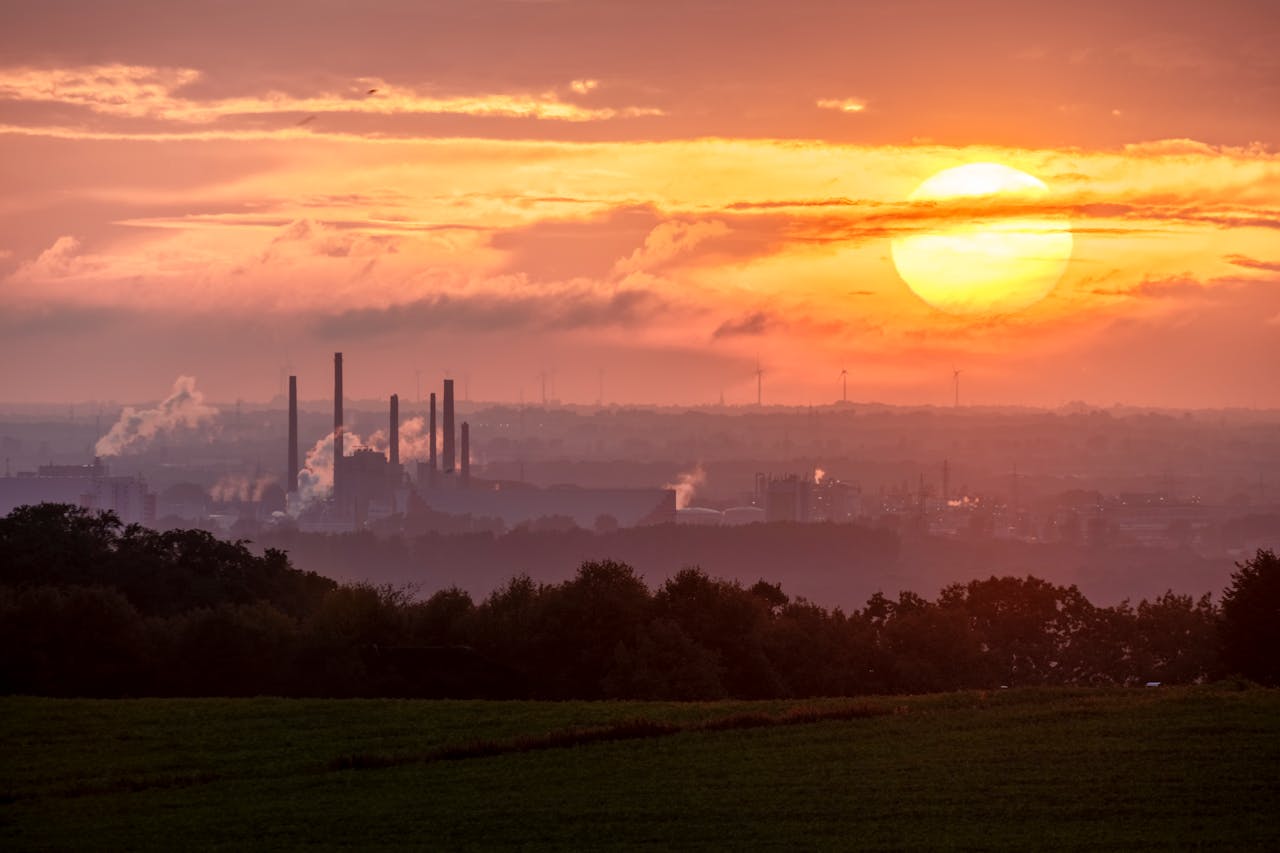
But the science is already clear: we are not on track to avoid the most dangerous climate change. (Pexels Photo)
The latest scientific assessment by an international team of climate scientists that I lead shows how human activity is warming the world more rapidly than ever before, and we are now perilously close to the Paris agreement’s 1.5°C guardrail. This evidence underscores the need for decisive climate action at the UN’s upcoming climate summit, Cop29, through a collective global effort despite complex and fragile geopolitical circumstances.
Decisions made and commitments announced at the summit over the next two weeks in Azerbaijan will shape our future climate. But the science is already clear: we are not on track to avoid the most dangerous climate change.
The extreme weather and intense climate impacts experienced this year give an indication of the road ahead, unless leaders can agree and put into action strong and urgent cuts to greenhouse gas emissions, both domestically and across the globe.
My team’s assessment of how the climate system is changing confirms that global emissions haven’t yet turned the corner. Meanwhile, 2024 will probably be the warmest year on record.
Warming caused by humans is now hovering around an all-time high of 1.3°C. At the current record rates of warming, the world can expect to be at 1.5°C by the early 2030s.
This latest science, as well as updated assessments of how both technology and economics can support the delivery of strong climate action, guided my climate change committee’s advice to the secretary of state for energy security and net zero, Ed Miliband, over the UK government’s 2035 nationally determined contribution. This is the country-level plans that every nation across the globe need to deliver to the UN by February 2025, setting out how they will reduce their emissions, build resilience to climate impacts, and adapt to climate change.
Our hope is that the UK government leads the way at Cop29 by committing to the 81% emission reduction target that the Climate Change Committee that I chair has advised. They also need to follow this up with the necessary actions that will deliver this ambitious change.
But the run up to this year’s climate conference is set against a backdrop of unprecedented geopolitical tensions, ongoing conflict across the globe, and record levels of military spending. The US election outcome will have significant implications for global stability as well as climate leadership and ambition. But climate change will exacerbate almost every other global crisis that world leaders – and the rest of us – have to deal with.
Collectively, we need other leaders to double down on efforts to cut emissions with their full attention and unwavering commitment. Other anticipated announcements of new national climate plans at Cop29 by early movers include host nation Azerbaijan, as well as Brazil and the United Arab Emirates. These countries could demonstrate climate leadership alongside the UK, by setting out how they can make a credible contribution to global efforts.
All nations need to follow suit and submit their new climate plans by February 2025. These plans will probably not be enough to get us on a path to staying within the Paris agreement’s 1.5°C guardrail. Staying close to 1.5°C is still technically achievable, albeit with massive efforts. The threshold of 1.5°C is not a hard limit, but every fraction of a degree of warming matters.
A matter of physics
In many cases, new and hopefully ambitious climate plans will sit alongside plans for fossil fuel expansion. How these can possibly be reconciled remains to be seen, particularly as climate change is a matter of physics, not opinion.
The latest scientific assessment following the direct causal chain from greenhouse gas emissions to global warming, which is aligned with the approaches used by the Intergovernmental Panel on Climate Change, confirms that warming caused by humans is both at an all-time high and increasing at a record rate.
But this science also highlights that a change in direction is possible. In the short term, options to drastically reduce methane emissions include, for example, capturing methane that escapes, intentionally or unintentionally, during oil and gas production. This will slow down the rate of temperature rise while we face up to tackling the main cause of global warming: carbon dioxide emissions from the burning of fossil fuels. Such action on methane and other short-lived greenhouse gases will help us to stay as close to 1.5°C as possible and avoid the worst climate impacts in the near-term.
Our work is tracking how global average temperature rise includes more extreme weather in different parts of the world. We have long known that risks and impacts will increase with every fraction of a degree of warming, but this hits some areas harder than others.
This is why scrutinising the new national climate plans is so important. The actions and commitments they set out have real-world consequences. A lack of ambition or a failure to make a significant and credible contribution to the global effort will mean more and intensified climate risks across the world, particularly for the most vulnerable countries and communities.
We live in turbulent times. But regardless of the geopolitical situation, the physics of climate change will remain the same: we must collectively cut emissions to slow down, and ultimately stop, warming. This is a certainty, regardless of who is in power, and whether they choose to ignore or dismiss the climate crisis. The scientific evidence will hold the world and its leaders to account.
Time will tell whether we both set and, most importantly, meet the commitments set out at Cop29. My team of expert scientists will continue to track how the decisions made and actions taken now will play out for the climate – and look for signs that the tide is turning.
Don’t have time to read about climate change as much as you’d like?
Get a weekly roundup in your inbox instead. Every Wednesday, The Conversation’s environment editor writes Imagine, a short email that goes a little deeper into just one climate issue. Join the 40,000+ readers who’ve subscribed so far.
Piers Forster, Professor of Physical Climate Change; Director of the Priestley International Centre for Climate, University of Leeds
This article is republished from The Conversation under a Creative Commons license. Read the original article.