Environment & Nature
Melting glaciers drive Arctic sea traffic surge

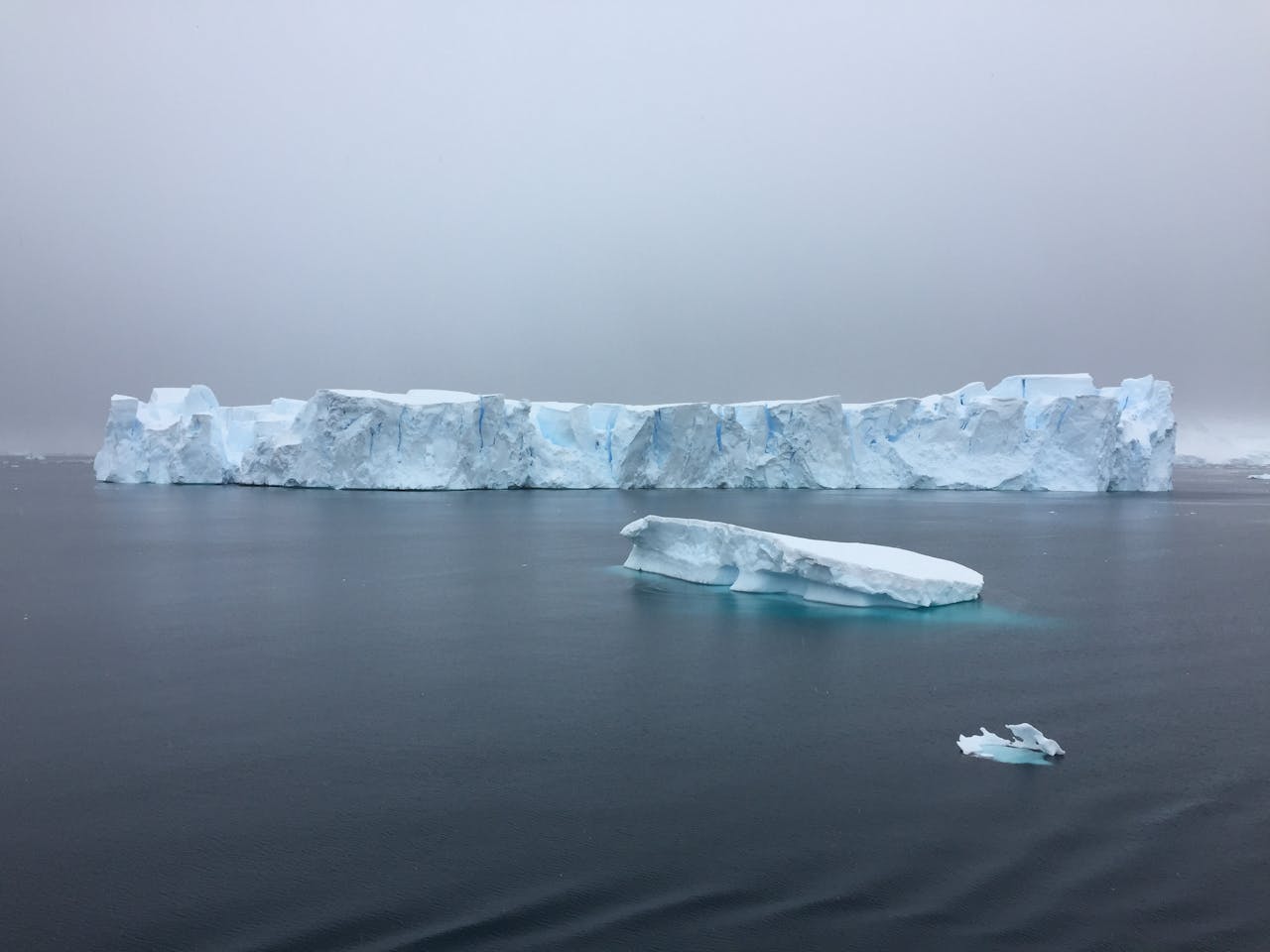
This shift, accelerated by climate change, enables more vessels to navigate Arctic waters, presenting both economic potential and environmental risks. (Pexels Photo)
By Anadolu, Philippine News Agency
ISTANBUL – As glaciers retreat, the Arctic is rapidly evolving into a major global trade route, with ship traffic increasing by 37 percent over the past decade.
This shift, accelerated by climate change, enables more vessels to navigate Arctic waters, presenting both economic potential and environmental risks.
Historically inaccessible, the Arctic now sees considerable maritime activity, especially for trade between Europe and Asia.
A recent Anadolu report highlights the economic ventures and intensified traffic reshaping the region.
Unlike Antarctica, the Arctic is shared by eight nations – Canada, Denmark, Finland, Iceland, Norway, Sweden, the US, and Russia – all increasingly drawn to its emerging commercial potential.
Spanning approximately 14.5 million sq. km., the Arctic encompasses the northern reaches of North America, Europe, Asia, and the Arctic Ocean, where large ice sheets are rapidly diminishing.
NASA research in January showed Greenland alone is losing ice at a rate of 30 million tons per hour – 20 percent above previous estimates.
According to the EU’s Copernicus monitoring, Arctic sea ice in September shrank to 4.8 million sq. km., a 19 percent drop from long-term averages.
Such transformations are converting previously icy waters into viable shipping routes and making the Arctic a focal point for transport and mining.
The “Arctic Ship Status” report from the Arctic Council’s Protection of the Arctic Marine Environment (PAME) Working Group identifies four categories of Arctic sea traffic:
1. Destination traffic – Ships enter the Arctic for specific activities and then exit.
2. Intra-Arctic traffic – Movement occurs between Arctic states.
3. Trans-Arctic traffic – Ships travel between the Pacific and Atlantic Oceans, and
4. Cabotage traffic – Domestic shipping within ports of Arctic states.
In 2013, only 1,298 vessels operated in the Arctic. By 2023, this number had risen to 1,782.
Fishing vessels are the most common, with their numbers rising from 553 to 723 in the past decade.
Other categories – general cargo ships, tugs, bulk carriers, and cruise ships – have also increased.
Gas tankers, once rare, surged from one in 2013 to 31 in 2023, reflecting heightened demand for Arctic resources.
Arctic shipping mileage doubled in this period, with vessels traveling 12.9 million sea miles in 2023 compared to 6.1 million a decade ago.
PAME Project Manager Hjalti Hreinsson, speaking to Anadolu, attributed the sharp increase in Arctic sea transportation to declining sea ice levels.
“There has been almost a 40 percent increase of unique ships operating in the Arctic polar coat area,” Hreinsson said, emphasizing the importance of the Northern Sea Route, which runs through Russia’s exclusive economic zone and is heavily used for transporting gas from Russia’s Yamal Peninsula to Asia.
“There are a lot of gas tankers specifically built to operate in sea ice and Arctic conditions,” he added, noting that while most ships carry the Russian flag, others are registered in countries like the Marshall Islands, Panama, and Liberia.
Countries are increasingly capitalizing on the Arctic’s changing landscape for resource extraction, including Canada’s Mary River mine, which holds some of the world’s richest iron ore deposits and exports approximately 3.5 million tons annually.
Though exploration vessels have long traversed the Arctic, commercial ships are a more recent presence.
“There have been a lot of developments in the past couple of decades or three decades. And a lot of it has to do with Russia,” Hreinsson said, explaining that Russia’s operations, initially limited to its waters, now contribute to international Arctic interest.
“It’s becoming a better option … for ships in worldwide operations, specifically from Europe to Asia … There are many reasons for that, including unknown variables like the weather, the charting, the sea ice conditions. But it’s currently being used for a lot of specific purposes, like the gas operations … and some mining operations.”
This growing traffic marks a period of rapid Arctic transformation, where economic ambitions meet climate change, raising questions about the future of this fragile ecosystem amid increasing commercial exploitation.