

By Todd Allen, University of Michigan, The Conversation
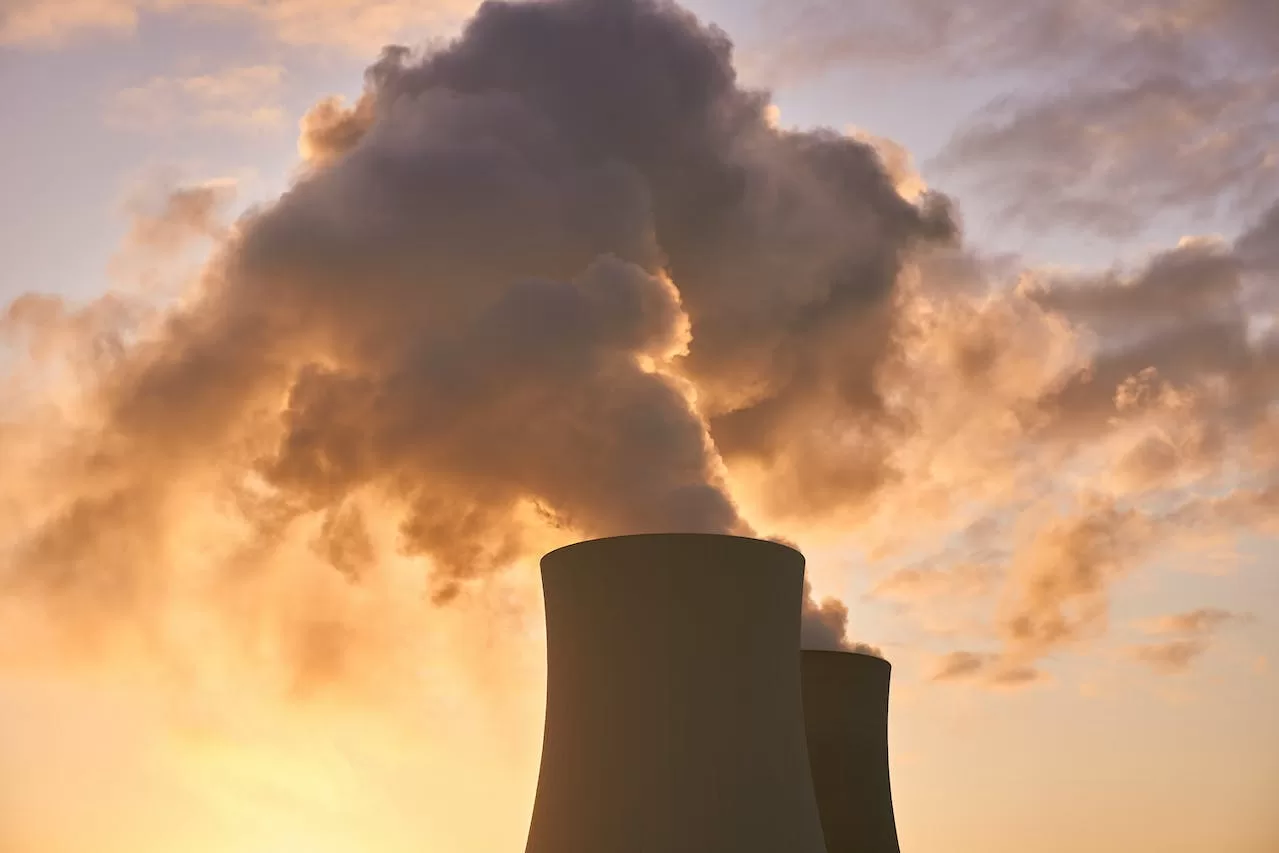
But with electricity demand rising, especially to power data centers and electric vehicles, some of those plants could also become candidates for reopening. (Pexels Photo)
Constellation, an energy company that provides electricity and natural gas to customers in 16 states and Washington, announced on Sept. 20, 2024, that it plans to restore and restart Unit 1 at Three Mile Island, a nuclear plant near Middletown, Pennsylvania, that was shut down in 2019. Microsoft has signed a 20-year agreement to purchase electricity generated by the plant to offset power demand from its data centers in the mid-Atlantic region.
Three Mile Island was the site in 1979 of a partial meltdown at the plant’s Unit 2 reactor. The Nuclear Regulatory Commission calls this event “the most serious accident in U.S. commercial nuclear power plant operating history,” although only small amounts of radiation were released, and no health effects on plant workers or the public were detected. Unit 1 was not affected by the accident. University of Michigan nuclear engineering professor Todd Allen explains what restarting Unit 1 will involve, and why some other shuttered nuclear plants may also get new leases on life.
What is the history of TMI-1?
Three Mile Island Unit 1 is a large nuclear power station with the capacity to generate 837 megawatts of electricity – enough to power about 800,000 homes. It started commercial operations in 1974 and ran until September 2019.
After the accident at Unit 2 in 1979, Unit 1 was shut down for six years, until the operator at the time, Metropolitan Edison, demonstrated to the Nuclear Regulatory Commission that it could operate the reactor safely.
Constellation closed Unit 1 down in 2019, even though the plant’s operating license had been extended through 2034 and it had no operational or safety problems. TMI-1 could not compete economically at that point with natural gas-fueled power plants because gas had become extremely cheap.
Pennsylvania also had a policy preference for increasing electricity generation from solar and wind power. The state legislature chose not to reclassify the plant as a carbon-free electricity source, which would have qualified it for state support.
What is the reactor’s current condition?
Since the shutdown in 2019, the plant has sat idle. The NRC calls this status safe storage, or SAFSTOR. The plant is shut down, uranium fuel is removed from the reactor, and the facility is maintained in a safe, stable condition. Irradiated fuel is stored in large steel and concrete casks on a physically secured portion of the site, known as an Independent Spent Fuel Storage Installation.
In addition to the fuel, other materials in the plant are radioactive, such as structural channels that direct the cooling water during operation and the large vessel in which the reactor is housed. Radioactive decay occurs during the SAFSTOR period, reducing the plant’s radioactivity and making it easier to dismantle the plant later.
What will Constellation need to do to prepare the reactor to restart?
Constellation will need to ensure that it has enough fuel and sufficiently trained personnel. It also will have to ensure that the reactor’s components are still in a condition that allows for safe operation.
This will require detailed inspections and mandatory maintenance actions to ensure that all components are running correctly. In some cases, the company may need to install new equipment.
The exact work will depend on the results of inspections but could include upgrading or replacing the reactor’s major components, such as the turbine and associated electricity generator; large transformers that move the electricity from the reactor out to the grid; equipment used to cool the reactor during operation; and systems for controlling the plant during startup, shutdown and power generation.
As an analogy, imagine that you move to a city and stop driving your car for five years. When you decide to resume driving, you’d need to ensure you have gas, that your driver’s license is still valid and that all of the car’s components still operate correctly. It would probably need new oil, air in the tires, new filters and other replacement parts to run well.
A nuclear plant is much more complicated than a car, so the number of checks and verifications will take longer and cost more. Constellation expects to bring the restored plant online in 2028 at a projected cost of US$1.6 billion.
What will the NRC consider as it decides whether to relicense the reactor?
The agency needs to independently confirm Constellation has enough fuel and trained personnel, and that the plant can run safely. These checks must be approved by the commission before the plant can operate.
In my view, Constellation will need to show that the plant is in a condition to operate at the same levels of safety that existed there in September 2019 when the company terminated operations.
Do you expect other utilities to try this type of restoration at closed reactors?
Constellation is not the only utility considering restarting a nuclear plant. Holtec International, an energy technology company, bought the closed Palisades nuclear plant in southwest Michigan in 2022 with the intent to decommission it, but then the company decided to restore and reopen the plant.
That work is underway now. Recently, in its first major inspection at the plant, the NRC found a number of components that it said required more testing and repair work.
Wolverine Power Cooperative, a not-for-profit energy provider to rural communities across Michigan, plans to purchase electricity from the restored Palisades plant, with support from the U.S. Department of Agriculture’s Empowering Rural America program. Holtec is receiving support for restoring Palisades from the U.S. Department of Energy and the state of Michigan.
A third company, NextEra Energy, is considering restarting its Duane Arnold nuclear plant in Palo, Iowa. And others could follow. In the past decade, a dozen nuclear plants closed before the end of their licensed operating lives because they were having trouble competing economically. But with electricity demand rising, especially to power data centers and electric vehicles, some of those plants could also become candidates for reopening.
Todd Allen, Professor of Nuclear Engineering & Radiological Sciences, University of Michigan
This article is republished from The Conversation under a Creative Commons license. Read the original article.




















