

By Robert Paul Streit, The University of Melbourne; David Roy Bellwood, James Cook University, and Tiffany Morrison, The University of Melbourne, The Conversation
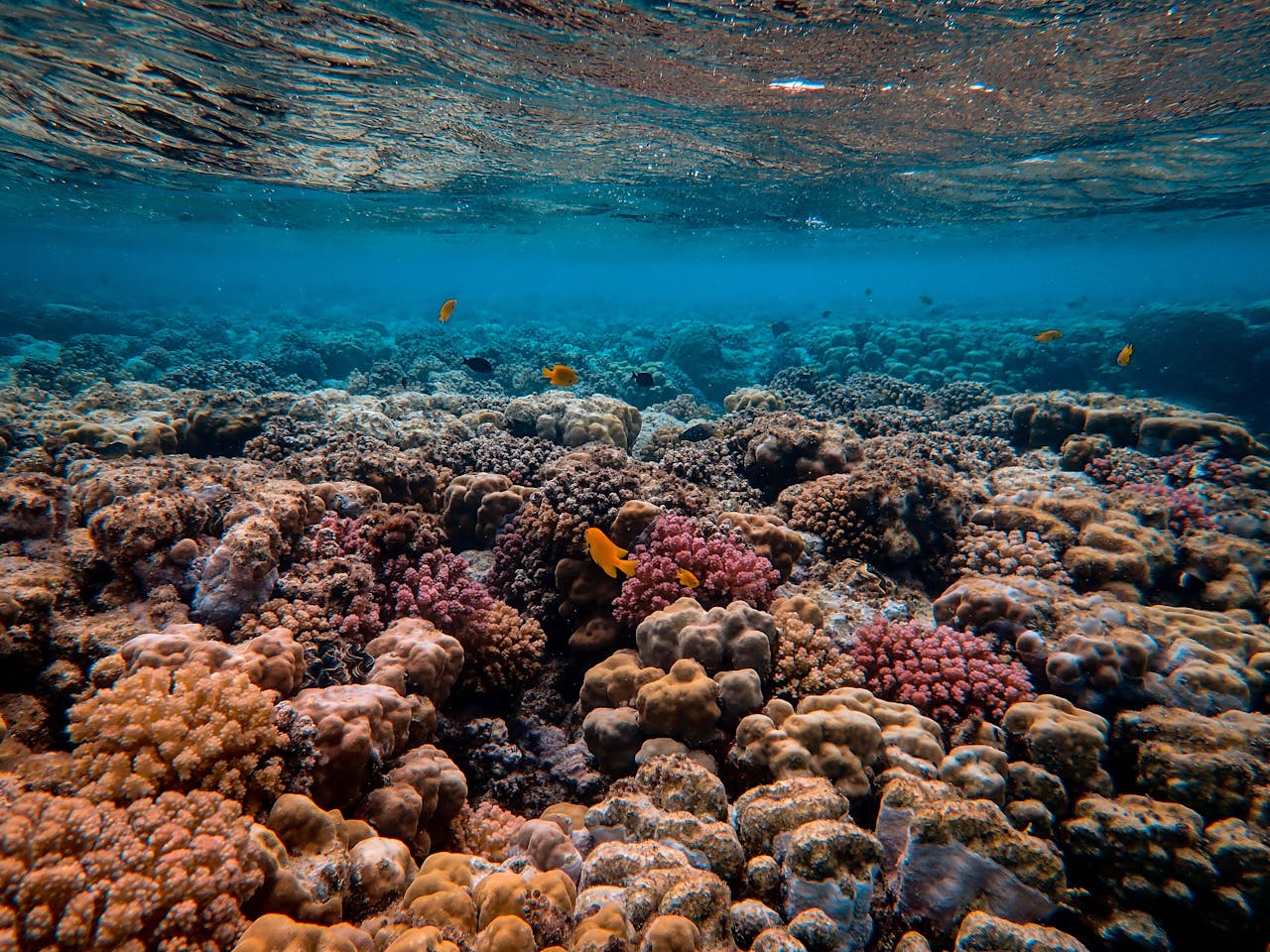
Climate change has killed billions of corals and fundamentally changed coral reefs. The response, especially in Australia, has been to fix the symptoms, not address the cause – climate change for which humans are responsible.
Much money and research effort is expended in replacing, regrowing and supporting corals, in the hope reefs may survive a warmer world.
These technological and scientific “solutions” give hope that something can be done. But as we argue in Nature Climate Change today, there is little evidence these measures will create resilient or healthy reef ecosystems over the long term.
Humanity must take dramatic action on climate change. By focusing so much attention on treating the symptoms – such as replacing dead corals – we risk squandering money, time and public trust in science.
We believe coral restoration may be, at best, a feel-good measure that satisfies a human urge to do something about climate change – and at worst, a dangerous distraction from climate action. A fundamental rethink is needed.
What to do about our troubled reefs?
The world’s coral reefs have suffered devastating damage due to climate change and resulting warmer seas. This includes the Great Barrier Reef, which last summer experienced yet another mass bleaching.
Clearly, something must be done.
In recent years, a popular solution has emerged in the form of direct scientific interventions. These include:
- growing baby corals in a nursery to later plant them on an ocean reef
- selective breeding, which involves identifying heat-tolerant corals, collecting their eggs and sperm, and breeding heat-tolerant offspring
- minimising stressors, for example, cloud-seeding or building structures to shade coral, pumping cooler water onto reefs or removing natural predators such as crown-of-thorns starfish.
Such interventions attract substantial research and philanthropic funding. But many scientists, including us, are concerned about their growing popularity.
There is little compelling evidence these interventions improve outcomes across coral reef ecosystems.
For example, a 2020 study synthesised current knowledge in coral reef restoration. It found 60% of projects had monitored restored sites for less than 18 months. Most projects were small-scale, with a median restored area of 100 square metres.
It concluded coral restoration projects were poorly designed, lacked clear and achievable objectives, and improvements were needed in monitoring and reporting.
Another study last year found some forms of coral rehabilitation “may be feasible, affordable, and ethical”, but the benefits were small and the measures expensive.
The researchers said legislation and policy should concentrate on “bolstering ecosystem resilience by reducing greenhouse gas emissions and other drivers of reef degradation”.
We don’t always have to ‘do something’ on reefs
In some areas of science, such as human health, people have been shown to prefer solutions that involve active intervention: that is, adding something new, regardless of evidence for or against its efficacy. The same “intervention bias” may be influencing how we try to help coral reefs.
A vast literature on coral reefs calls for action in the form of scientific intervention.
However, resilience, recovery and change are an inherent feature of natural ecosystems. This was demonstrated by a review of 400 studies of disturbed ecosystems, which showed human restoration provided no consistent benefits over natural recovery.
Recent evidence from the northern Great Barrier Reef, following a major bleaching event, supports the idea that, in the short-term at least, nature can recover on its own. There, coral cover jumped from 10% in 2016, the lowest ever recorded, to an ephemeral but record high of 36% just six years later.
This is not to say the bounce-back will last. Heatwaves will continue to kill regrown corals, rendering this natural success temporary. That’s why drastic emissions reduction is essential.
What is a healthy reef?
Intervention on coral reefs usually aims to increase live coral cover. This approach rests on the assumption that more coral leads to healthy reefs.
Corals are undoubtedly a foundational and iconic part of coral reefs. But corals and reefs are not the same. Corals are important, iconic organisms. Coral reefs are highly diverse, complex ecological systems composed of thousands of animal, plant and bacteria species.
The science is not clear on whether more corals will return reefs to a “healthy” state, especially given such scientific interventions are usually small in scale. There is also evidence suggesting reefs can grow, even when coral species decline.
More science is needed to determine what a “healthy” reef is. A pretty reef with plenty of coral? A usable reef with plenty of fish? Or a reef that is unspoiled by human activity?
And there’s another important research question to answer: how can humanity come to terms with reefs transformed by climate change?
Towards transformative solutions
We do not seek to divide reef scientists into camps “for and against” coral restoration.
But we are not confident that specific, targeted coral interventions will have wider benefits. What’s needed is broader, evidence-based investigation into transformation across reefs and human communities – to bring about real, large-scale solutions.
We realise our position may be considered controversial. But the stakes are high – and an evidence-based approach to caring for coral reefs is urgently needed.
Robert Paul Streit, Research Fellow in Just Ocean Governance, The University of Melbourne; David Roy Bellwood, Professor, James Cook University, and Tiffany Morrison, Professorial Research Fellow, James Cook University and Professor, The University of Melbourne
This article is republished from The Conversation under a Creative Commons license. Read the original article.




















