Canada News
Warming springtime waters will mean more salmon in the Arctic, research shows

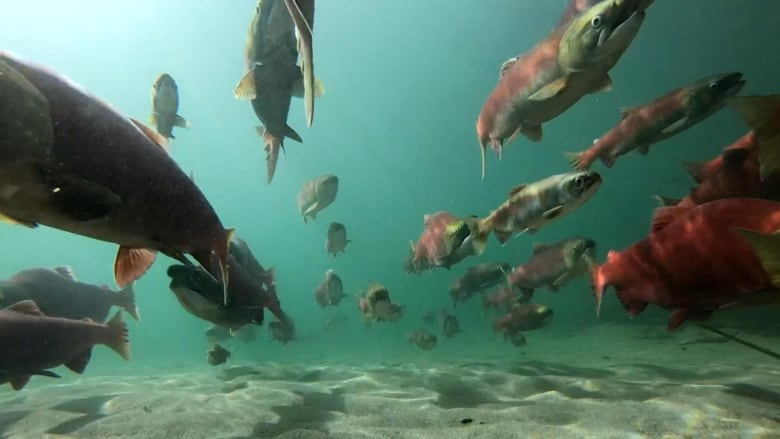
Researchers wanted to understand the factors that have contributed to salmon swimming as far as the coast of Alaska, along the Bering Strait and all the way to the Beaufort Sea. (CBC)
‘In the last 20 years or so, they’re catching more and more salmon in more places’
Pacific salmon are taking advantage of warming waters to venture further and further north, into Arctic regions where they previously weren’t accustomed to living.
That’s according to a new study from researchers at the University of Alaska in collaboration with Indigenous fishers.
The presence of salmon in Western Arctic communities has been known for more than 20 years, but it’s becoming more common.
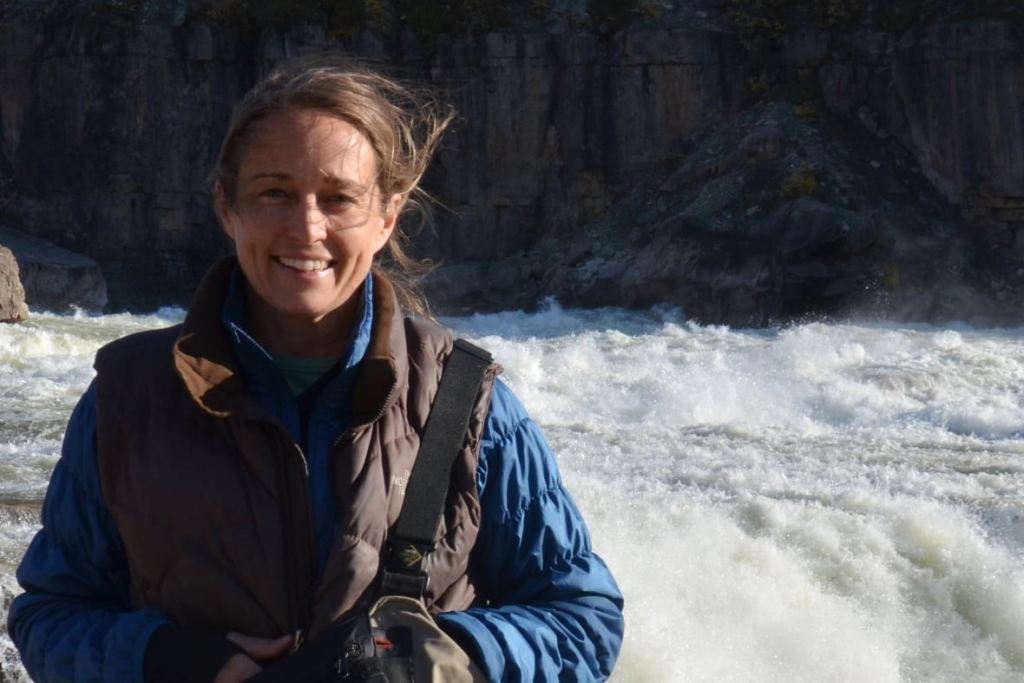
“They’ve been catching salmon for generations in some communities. In other communities it’s much more recent,” said Karen Dunmall, a research scientist with Fisheries and Oceans Canada and co-author of the study.
“But in the last 20 years or so, they’re catching more and more salmon in more places. Lots of species are showing up, and they have questions about it.”
Researchers wanted to understand the factors that have contributed to salmon swimming as far as the coast of Alaska, along the Bering Strait and all the way to the Beaufort Sea.
They found that warmer spring temperatures in the Chukchi Sea, northwest of Alaska, brought salmon north.
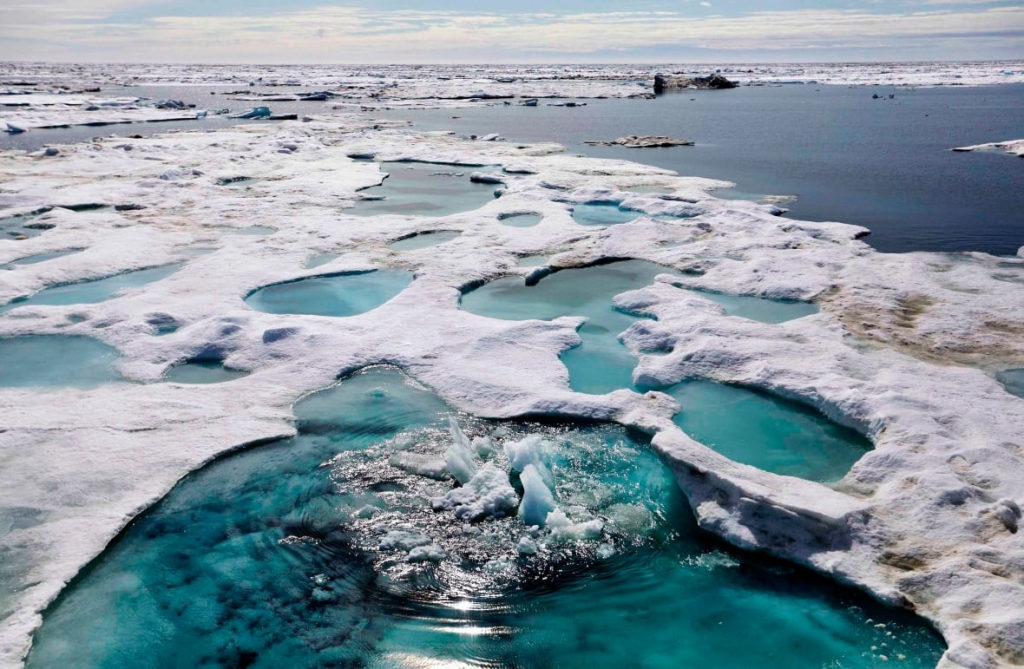
Then, during warm summer temperatures, an “expansion corridor” is created that allows salmon to move up the coast toward the Beaufort Sea and into Canadian Arctic waters.
Researchers compared marine temperatures over 25 years with the catches of fisherman in coastal communities.
“Usually, species are moving north because temperatures are rising due to climate change, right? But the connection is a little vague and not very specific. So the real unique point here is we were really able to pin down the sequence of events that seems to be allowing salmon to make this trip, and connect it to patterns in sea ice and how sea ice is breaking up early,” said Joe Langan, a marine biologist at the National Oceanic and Atmospheric Administration in the U.S.
That sequence also predicts that salmon will become more plentiful in the region in the coming decades, as the waters warm due to climate change.
A first step
However, several questions remain. The researchers want to understand how the increased presence of salmon in the region could disrupt Arctic ecosystems.
“The next step is, can they establish in new places? Are there freshwater habitats available? Are they suitable? Are they accessible? Can salmon get there in sufficient numbers? Are those places already occupied by Arctic fishes?” Dunmall said.
Collaboration with Indigenous communities in the region will be essential to finding that out. Local fishers were the first to notice the arrival of new species in Arctic waters, and many of them worry about what those changes mean.
“Are these habitats accessible to salmon? Are they bringing in pathogens or viruses that are different? That’s another area of research that we’re looking into. That question of where they’re coming from, that helps to understand the pathways,” Dunmall said.
Although the study focuses more on the arrival of salmon in the Western Arctic, pink salmon have also been detected in communities on Baffin Island and Ungava Bay in recent years.
Their presence, currently recorded in small numbers, is being closely monitored by regional authorities.
Reporting by Félix Lebel/Radio-Canada, translated by Emma Tranter
This article is republished from RCI.