
Education
‘Watch the ball!’: here’s why some sideline remarks are probably less helpful to your kids than you think

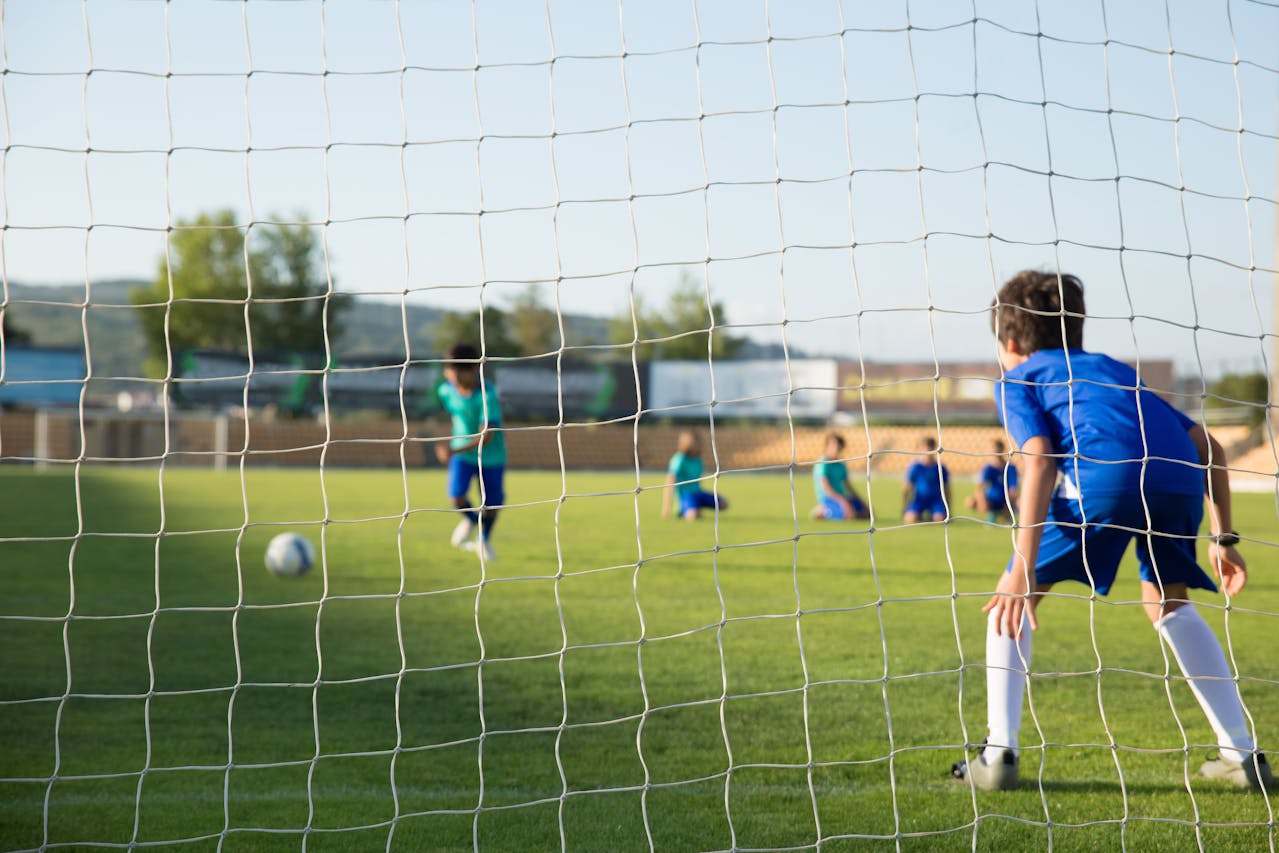
It found if the parents were positive on the sidelines (cheering, encouraging athletes, helping if someone was hurt), young players were more likely to behave better towards their teammates and opponents. (Pexels Photo)
The winter sports season is about to begin. This means parents will soon find themselves on cold weekends, watching their kids on the sidelines of soccer, netball and footy matches.
As they stamp their feet to stay warm, they may find themselves wanting to offer encouragement or guidance. They may also find themselves expressing views about a controversial referee decision or becoming emotional about how their child or their child’s team is performing.
What impact does this have on your kids? How can you spectate in a helpful way?
Parents behaviour matters
A 2024 Australian pilot study surveyed 67 teenagers who play team sports and have parents watching from the sidelines.
It found if the parents were positive on the sidelines (cheering, encouraging athletes, helping if someone was hurt), young players were more likely to behave better towards their teammates and opponents.
The reverse was also true. Negative sideline behaviours (such as, yelling, swearing, put-downs, getting annoyed, reacting badly to a loss/foul) meant children were more likely to behave similarly on the field.
Parents behaviour can also influence how much a child enjoys a sport and whether they want to quit. As a 2016 US study noted:
if children perceive parents to engage in pressuring behaviors, such as excessive expectations, criticising play, or withdrawing love after competition it can lead to negative sporting experiences.
Bad behaviour leads to bans
Sports codes and clubs have clear guidelines around expected behaviour on and off the field. Parents, teams and coaches can be banned or penalised if they are abusive or violent. It is not OK to swear, make threats, or be aggressive towards coaches, umpires or players.
As an extreme example, in February, an under 16 basketball game descended into a brawl involving parents in Melbourne’s Reservoir. Both teams were banned for the rest of the season.
But it’s about more than brawling
But there are other ways parental behaviour can be negative for their children playing sport.
Common comments like “c’mon shoot”, “watch the ball” or “kick it harder” may seem helpful and supportive but they can also be controlling. They are not trusting children to simply play the game the best they can (and for that to be enough).
You could ask yourself: would I like these comments or find them helpful if I was playing?
These sorts of comments also very easily tip into more belittling remarks if children don’t respond or make a mistake. For example, “you’re playing too slowly, hurry up!”, “they’re all over you” or “that’s pathetic”. Criticising a child’s abilities either privately or in front of others undermines their confidence and self esteem.
Also avoid giving different instructions from the team’s coach. This can cause confusion and embarrassment for players.
Meanwhile, all this pressure from parents suggests winning is the most important thing.
It means sport is less about fun, playing with friends and developing skills. It may simply lead to a child wanting to quit.
What is helpful sideline behaviour?
Any parent who has watched their child play will also know it is very hard to stay absolutely quiet. So if you do want to yell out, you could say something supportive, such as “that’s the way, good work!” or “keep going!”
Other ways to make children feel supported include:
- reminding them how proud you are they are having a go, either before or after a match
- supporting and encouraging all players on the team and acknowledging goals or success of the other team
- letting the coach do the coaching
- honouring the umpire’s decision (even if you do not agree with it).
Children look to their parents as role models. This is why staying calm and positive and just being there at half-time with a drink are much more valuable than offering non-stop commentary during play. 
Elise Waghorn, Lecturer, School of Education, RMIT University
This article is republished from The Conversation under a Creative Commons license. Read the original article.




















