
Business and Economy
Wendy’s ‘surge pricing’ mess looks like a case study in stakeholder conflict

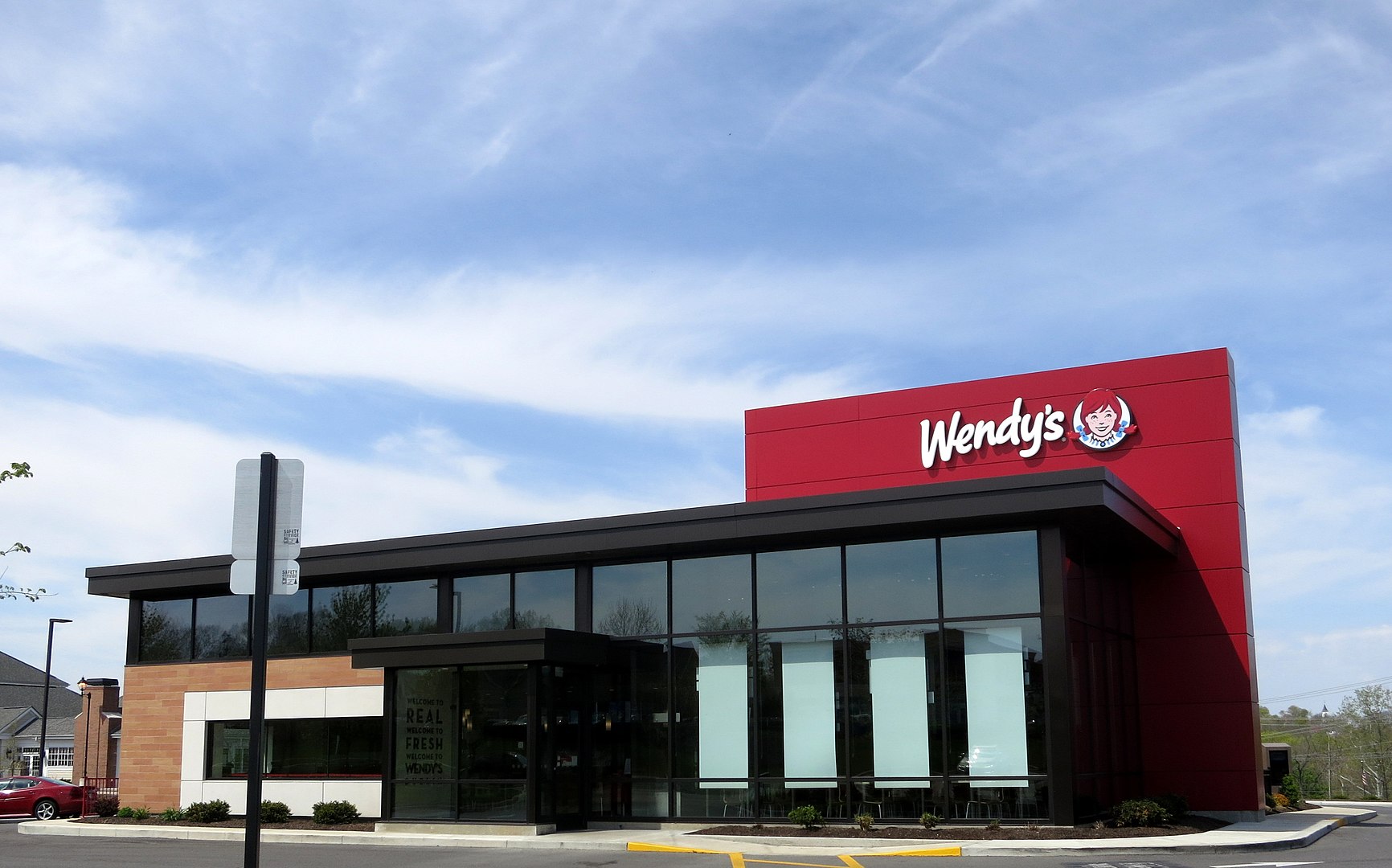
FILE: Wendy’s flagship restaurant (Dublin, Ohio) (Photo By Nheyob/Wikimedia Commons, CC BY-SA 4.0)
Just two words created a publicity nightmare for fast-food giant Wendy’s: dynamic pricing.
In late February 2024, news broke that the chain was considering charging different prices at different times of day — a tactic usually associated with airlines and ride-hailing companies. As headlines like “Wendy’s to roll out Uber-style surge-pricing” flooded the news, #BoycottWendys trended on social media. Wendy’s rival Burger King quickly took advantage of the news with a “No urge to surge” promotion.
The backlash put Wendy’s on the defensive.
Within days, Wendy’s said that it never intended to raise prices at times of peak demand, Instead, it only intended to lower prices when store traffic was slow. It also announced a monthlong $1 burger deal that observers were quick to connect to the pricing fiasco.
It looked like a classic PR disaster – and as a professor of marketing, I couldn’t turn away. How did this all go wrong?
Divergent stakeholder interests, with a side of fries
I suspect this burger brouhaha came down to a classic case of investors’ interests colliding with those of consumers.
The whole mess seems to have started on Feb. 15, 2024, when Wendy’s released its fourth-quarter earnings and held a conference call with investors.
That day, Wendy’s announced a multimillion-dollar investment to roll out digital menu boards across all its U.S. stores. This investment would support “dynamic pricing and menu offerings,” according to a slide from the conference call. While presenting the slides, Wendy’s chief executive officer said, “Beginning as early as 2025, we will begin testing more enhanced features like dynamic pricing and day-part offerings along with AI-enabled dynamic pricing menu changes and suggestive selling.”
While some people argue that Wendy’s may have never meant to hike prices at all, I’m skeptical. Of course there’s nothing wrong with raising prices – companies would go out of business if they didn’t. The issue is how to frame the price hike. For example, Starbucks increased prices three times in just four months between October 2021 and February 2022. It blamed the hikes on inflation and didn’t face much of a backlash.
But no matter how you frame it, raising prices is a company action that benefits investors but not consumers. And while the dining public has been outraged by the whole affair, Wendy’s investors seem relatively unconcerned. Wendy’s stock price has remained relatively stable since Feb. 26, when the media picked up the story and boycott calls commenced.
This asymmetry makes sense and is well documented in academic research. On average, investors are motivated by a company’s profits. Moves to raise revenue, such as hiking prices, make them happy. That’s why companies often announce those increases well before they put them into effect – not for the customers’ sake, but for the investors’.
Of course, higher prices feel different if you’re the one paying them. And consumers tend to believe sellers aren’t being fair when they set prices: They think sale prices are set much higher than fair prices, underestimate the impact of inflation, overattribute the cause of price increase to profit-seeking, and fail to consider company costs. Their backlash is both economically rational and predictable.
What also makes sense is Burger King trying to act like a typical rival – aiming to benefit from the backlash Wendy’s received.
A needless food fight
In my opinion, Wendy’s early announcement of its dynamic pricing was a serious mistake. Remember that its CEO said that Wendy’s would introduce dynamic pricing “as early as 2025.” That means it announced the news at least nine months before customers needed to hear about it. I assume Wendy’s did this because it wanted to impress its shareholders and boost its stock price.
In fact, the cynic in me wonders whether this incident was “staged” – that is, Wendy’s was testing the waters to see whether they could preannounce the price hike to impress shareholders, and then not actually implement the changes.
Indeed, research has shown that companies often preannounce price increases a few days to several months in advance, and may withdraw some of these preannouncements if they realize that the price hike may cause more damage than increase in revenue.
But either way, announcing a decision nine months in advance seems premature. And I haven’t seen any evidence that Wendy’s planned for customers to hear the news along with investors.
My advice is for executives to be astute in communicating price increases so consumers take the company’s perspective and don’t view the hike as unfair. That may mean avoiding terms that elicit hostile reactions, or providing explanations for their decisions, such as an increase in the cost of ingredients or employee salaries. Consumers who understand the reasons for a price hike may be more accommodating.
Interestingly, even after the Wendy’s wobble, other restaurants are reportedly considering increasing menu prices during hours of high demand. I hope they learn from Wendy’s error and frame their price increases strategically.
Otherwise, they shouldn’t be surprised when competitors eat their lunch.
Vivek Astvansh, Associate Professor of Quantitative Marketing and Analytics, McGill University
This article is republished from The Conversation under a Creative Commons license. Read the original article.




















