Canada News
Canadian agriculture faces a worker shortage and food security crisis

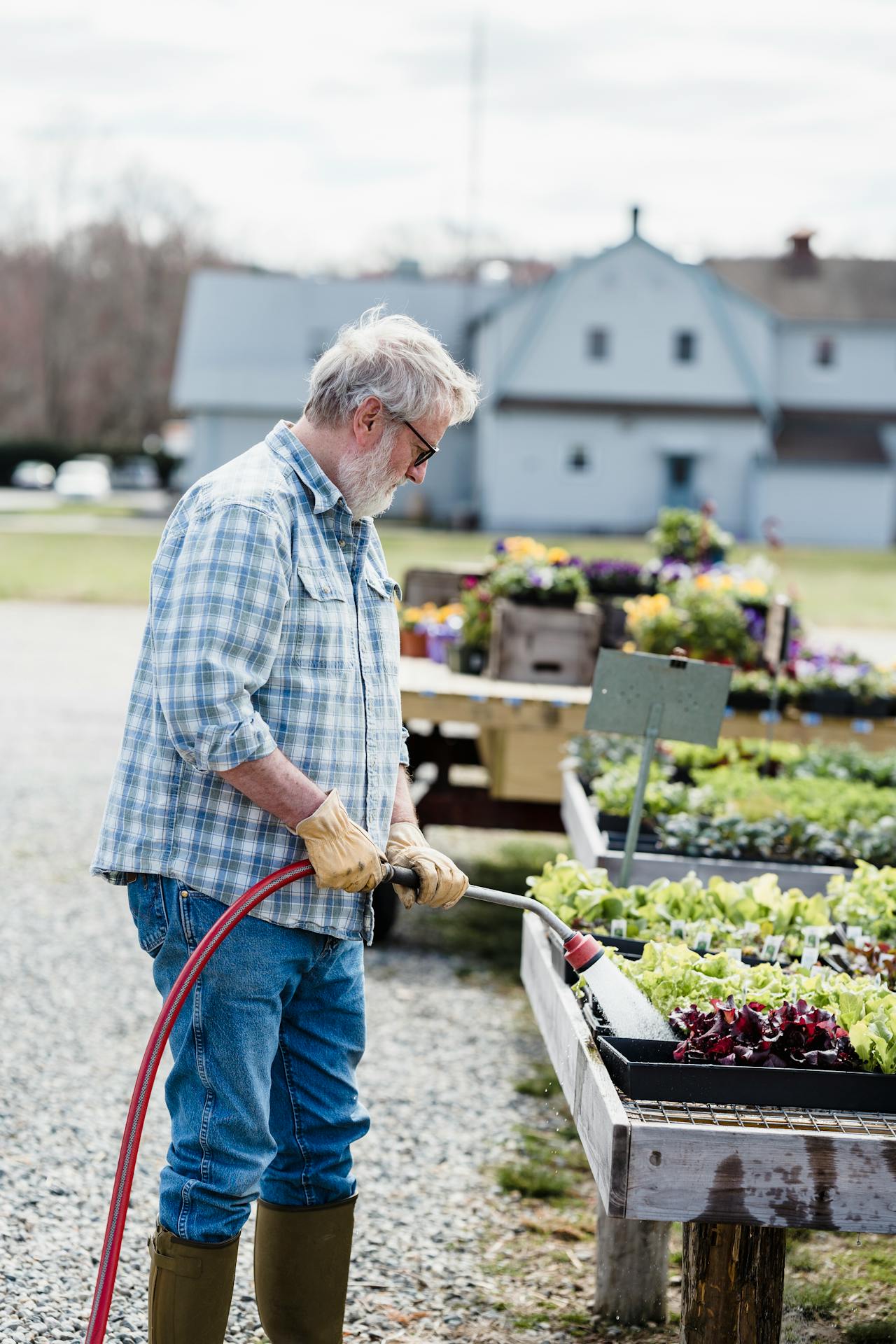
No sector in food production – whether fishery, poultry and egg, dairy, field crops, beef, floriculture or beekeeping – is immune from the problem. (Pexels Photo)
Consumers don’t often think about the journey our food takes to reach our tables – until it doesn’t get there. The barren shelves of supermarkets during the pandemic forced many Canadians to reflect on the source of their sustenance and to seek out food producers who could supply them with their next meal.
The pandemic’s impact on food supply chains was relatively short-lived, but there is a longer-lasting crisis looming: Canadian agriculture is experiencing a chronic skills and worker shortage that is threatening its ability to function, let alone reach its full potential.
The harder truth is that this labour gap is projected to expand.
According to a new labour market information report from the Canadian Agricultural Human Resource Council (CAHRC), more than 100,000 jobs in agriculture – nearly one in every three jobs in the industry – are projected to be vacant by 2030 unless strong action is taken to attract, retain and properly equip our agricultural workforce.
This will require the attention of federal and provincial decision-makers with collaboration from educators, career development experts, agriculture industry representatives and employers. Together, they will need to examine and implement a wide range of available solutions including immigration, technology advancements, education and public perceptions of agriculture.
An industry-led initiative has already started this process through the national workforce strategic plan for agriculture and food and beverage manufacturing.
What’s needed now
This approach, led by CAHRC in partnership with the Canadian Federation of Agriculture and Food and Beverage Canada, has brought more than 100 stakeholders to the table, and many more as champions of the process.
One of the main reasons for the anticipated labour shortage is that 85,000 workers in the agriculture sector are expected to retire in the next six years. Other factors include the cost of living and the location of rural workplaces, lack of awareness of careers in agriculture, misconceptions surrounding wages and the unavoidable seasonality of work.
The potential negative impact is huge.
Imagine, for a moment, a future where the country’s agriculture sector doesn’t have the workers or businesses it needs – where crops rot in fields because there’s no one to harvest them, where there are not enough abattoirs to process meat and poultry, and where your favourite cereal doesn’t make it onto store shelves because there’s no one to package it.
That sounds extreme, but it comes closer to becoming a reality every year – unless appropriate changes are made.
In 2022, an estimated 28,200 agriculture jobs went unfilled during peak season. Sixty-two per cent of these vacancies were concentrated in crop production. Two out of every five employers in primary agriculture and support services reported they couldn’t find enough workers to operate at full capacity.
The extent of labour shortages varied across sub-sectors, driven by differences in skill requirements, geographical location and seasonal patterns. But no employer – whether it’s running a fishery or an operation in poultry and egg, dairy, field crops, beef, floriculture or beekeeping – is immune to the challenges of recruitment and labour retention.
It’s important to note that these shortages carry other implications beyond food security. The CAHRC report says lost sales due to worker shortages amounted to $3.5 billion in 2022 – a substantial number considering profits for primary agriculture amounted to only $21.9 billion in the same year.
Almost $93 billion of Canadian agriculture’s $143.8 billion contribution to GDP in 2022 came from agricultural and processed food exports. The labour and skills gap should be understood as an economic issue as much as it is a food security issue.
So, where do we go from here?
This is a multi-faceted issue, so the CAHRC report includes a suite of recommendations.
Immigration
The federal government plans to welcome more than 1.45 million newcomers over the next three years. They bring diverse skill sets, many of which are desperately needed in the agriculture sector.
Foreign workers and immigrants are integral to the agricultural workforce. Of the 100,000 jobs predicted to be vacant by 2030, 71,000 jobs could be filled by foreign workers. Previous CAHRC research has identified newcomers as a demographic most open to pursuing a career path in agriculture.
To facilitate new Canadians’ entry into the agricultural workforce, Canada needs to be able to attract people with relevant skills and experience. It also needs to ensure immigrants are encouraged to settle in rural communities where agricultural work primarily takes place.
This could involve offering employment, education and cultural integration support programs in rural areas, not only for potential workers but also for their spouses and children. Ideally, this would be a collaborative effort of immigration policymakers, settlement agencies and employment development professionals.
Education and awareness
Another recent CAHRC study found that students have limited exposure to the agriculture industry. Initiatives to help schools increase awareness include integrating agriculture-related subjects into curricula, organizing field trips to agricultural operations and partnering with local agricultural businesses to offer internships and apprenticeships.
Work placement programs for post-secondary students can also strengthen connections with the agricultural sector, not only for Canadians but for international students, 60 per cent of whom stay in Canada after gaining work experience during their studies.
Apprenticeships
Canada needs to develop apprenticeship programs to promote skilled trades in agriculture. This will not only boost the sector’s reputation but also emphasize the technical and specialized skills which are needed.
There may be an opportunity to expand to other trades through the Red Seal Program, which offers certification for agricultural and heavy-duty equipment technicians.
At the provincial level, supporting and expanding organizations that create apprenticeships, such as the Nova Scotia Apprenticeship Agency, Skilled Trades Ontario, Young Agrarians and the Stewards of Irreplaceable Lands, could help build a more qualified workforce.
Knowledge sharing
CAHRC research shows a demand for partnerships between smaller operations and larger agricultural entities to facilitate knowledge sharing and provide training on best human resources (HR) practices.
Nearly one-third of small operations said they would like to receive training from industry associations to address their HR needs more effectively. The report notes 34 per cent of workers said they stay in agriculture because of good management practices.
This figure tells us a few things. First, best practices in HR play an important role in worker retention. Second, there’s an opportunity to further help employers so that a larger portion of our future workforce attributes positive experiences with people management and good HR practices as a top reason they choose to stay in the sector.
Innovating
Finally, with the rapid advancements of technologies that enhance productivity and competitiveness, it will be imperative to continue innovating in the workplace and to ensure there is a skilled workforce to operate and maintain these systems.
A concerted effort among industry, skills development organizations, policymakers and education experts will be crucial to ensuring that the workforce possesses the necessary skills and expertise to work alongside advanced agricultural technologies.
No time for complacency
From immigration to skills training and education, these key recommendations have been informed by stakeholders across the country who are primary producers, as well as food and beverage manufacturers, educational institutions, producer groups, industry associations and government officials.
Given this widespread support and consensus for comprehensive solutions, there is no excuse for complacency. Canadian consumers deserve action, and so do agriculture employees and employers. Our food security and economic future depend on it.
This article first appeared on Policy Options and is republished here under a Creative Commons license.