
Environment & Nature
Won’t my cat get bored if I keep it inside? Here’s how to ensure it’s happy

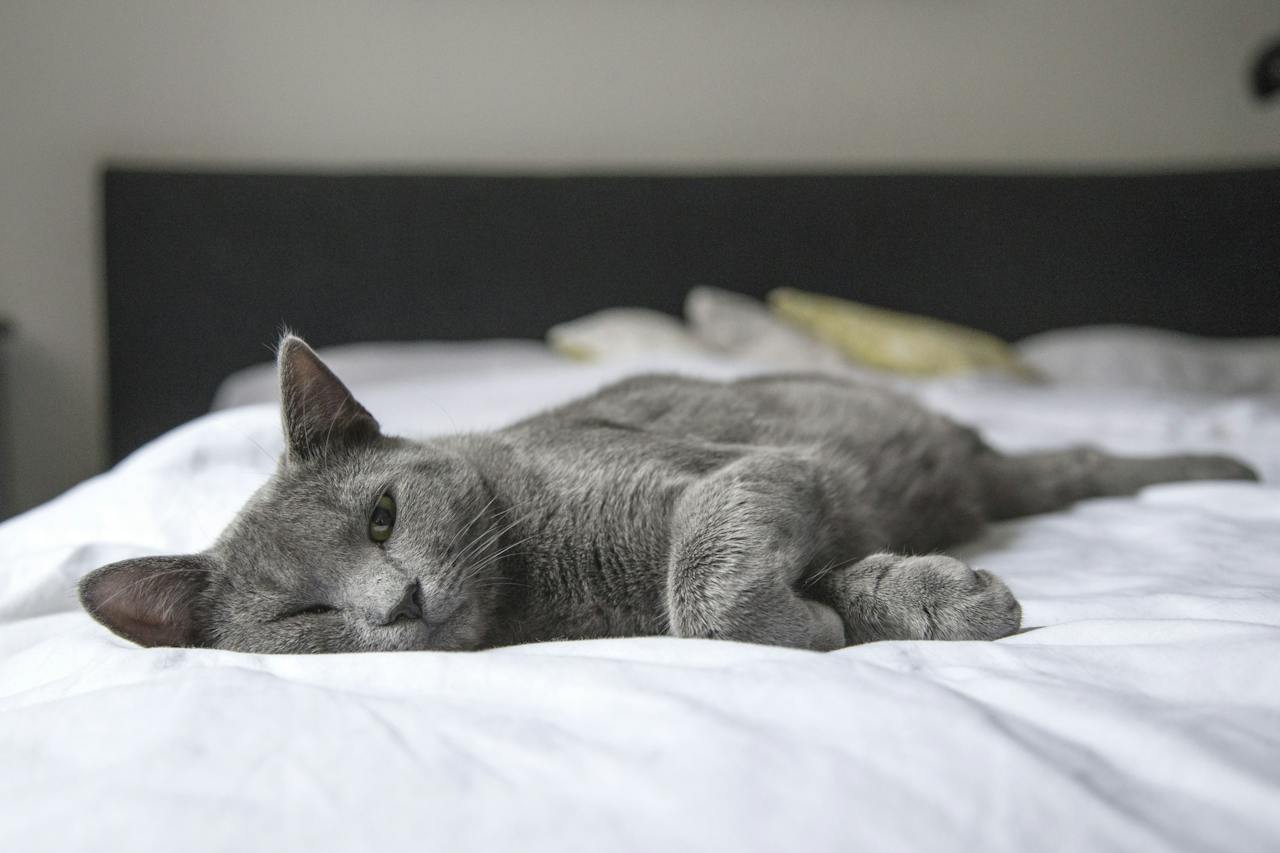
Keeping a cat indoors denies it the choice of being inside or outside. (Pexels Photo)
The Australian and American Veterinary Medical Associations recommend keeping cats indoors because they, and wildlife, will be safer.
However, a boring indoor environment may not meet a cat’s need for mental stimulation. So how can we keep cats indoors in a way that will keep them safe and happy?
When considering animal welfare, the Five Domains Model is a good place to start. The five domains are:
- nutrition – cats need the right type and amounts of food and water
- physical environment, including temperature, flooring, noise, light
- health – injury, disease, impairment
- behavioural interactions with people and other animals, which includes the ability to exercise agency – choosing to engage, or not, in a particular activity at a given moment
- mental state, including feelings such as hunger, pain, fear and comfort, which is an overall assessment of the animal’s subjective welfare state.
Keeping a cat indoors denies it the choice of being inside or outside. The sense of control an animal has over its life is an important aspect of its welfare, so how can we compensate for this loss of agency?
Several ways to help meet your cat’s needs are available at various price points. Most help meet the cat’s behavioural needs. Some also touch on other needs like environment or nutrition. All will contribute to your cat’s wellbeing.
Free solutions
If you’re feeling the pinch of the cost-of-living crisis, you can still provide your cat with plenty of enrichment for free, or at very low cost. There are multiple options.
Cat music has some scientific evidence behind it and is available on YouTube. This will help meet their environmental needs.
Puzzle feeders, which you can buy or make yourself. Cats are predators, so they are biologically wired to work for their food. Puzzle feeders can be a good way to help meet this biological need.
These feeders don’t have to be expensive. One homemade example is an egg carton with the cat’s food inside and the lid closed, so the cat must find a way to open the carton to obtain the food.
Start with a simple puzzle, and gradually build to more complex puzzles. Only do puzzle feeding if your cat is a good eater and not underweight, though. This will help meet their nutritional and behavioural needs.
Boxes, which cats love to sit in. This hiding behaviour appears to reduce stress Cats will even sit in boxes that don’t technically exist – such as outlines on a floor. This will help meet their behavioural needs.
Clicker training uses a small noise-making device to indicate that the animal has performed a desired behaviour. While more commonly known for dogs, it can also be used in cats.
“Do as I do” training is another option. In this training style, the cat learns to mimic your behaviour, but in a species-appropriate way. For instance, if you stood on your tiptoes and raised your arms, your cat would stand on its hind legs and lift the front paws. This will be good for their behavioural needs.
Playing with a pet cat for at least five minutes at a time has been associated with reduced behaviour problems, so play with them to help meet their needs.
New objects/scents will help meet their environmental needs. Cats enjoy novelty as long as there is also plenty of predictability in their environment. Regularly bringing new things or scents like catnip into your home may be interesting for your cat.
For more ideas about enriching your cat’s life indoors, check out this website.
Moderate outlay
If you’re tightening your belt but still have a little to invest in cat enrichment, there are lots of choices within the $10–$50 range to help meet the cat’s behavioural needs.
Harness walks (perhaps after some patient training) let your cat spend time outdoors in a safe way and get exercise.
Toys that move erratically are preferable to static toys. These can be toys that you move yourself such as a toy mouse that you move around on the floor. The movement may appeal to the cat’s predatory nature.
Puzzle feeders can be made very cheaply (see above), but you can buy one too. It can provide interesting variety for cats, especially after they’ve had some puzzle experience. Again, only do this with cats who are good eaters and are not underweight.
A scratching post should ideally be vertical or inclined, which are generally preferable to horizontal surfaces. Chenille, rope or cardboard appear to be the preferred materials.
Bougie options
If money is no object, you could consider these pricier options. Both help meet their environmental needs.
Cat shelves make use of vertical space so don’t take up a lot of floor space. They provide cats with elevated places to sit, which they like.
Cat enclosures, or “catios”, are enclosed, outdoor spaces where cats can safely spend time outside. They may increase cats’ quality of life.
Remember, every cat is an individual. What works for some cats may not work for yours. Try preference testing – which require the cat to choose between different options or environments – to figure out your own cat’s favourite things.
Tiffani J. Howell, Senior Research Fellow, School of Psychology and Public Health, La Trobe University
This article is republished from The Conversation under a Creative Commons license. Read the original article.




















