
Health
Can HIV be cured using gene editing? We will soon find out

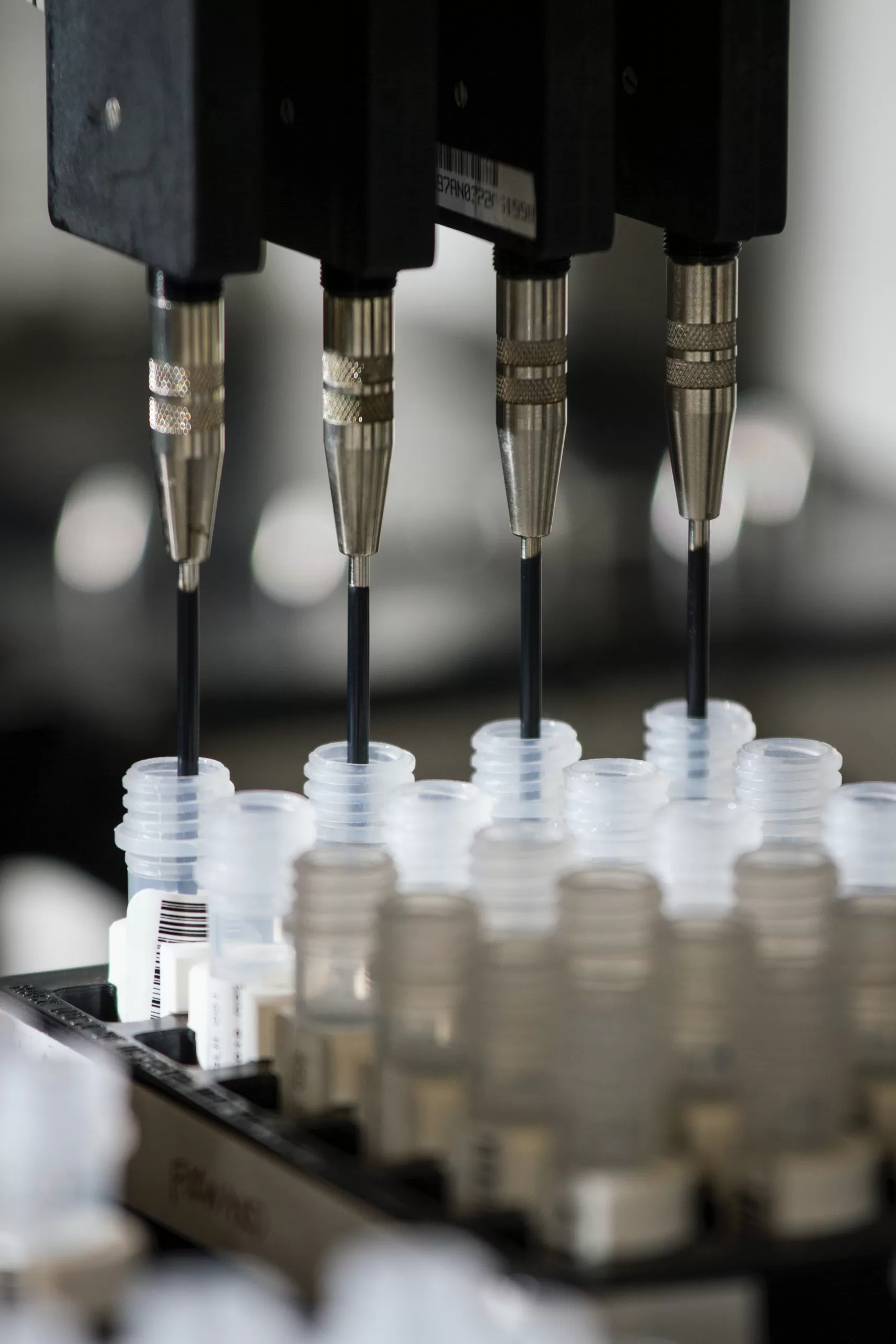
The treatment developed by Excision BioTherapeutics uses gene-editing technology called Crispr to seek out and disable the virus by cutting large sections of its DNA, which prevents it from replicating. (Unsplash Photo)
HIV, the virus that causes Aids, was first identified in 1983. To catch this virus was initially a death sentence, but today, thanks to antiretroviral drugs, it can be kept in check. However, there is still no cure.
A small biotech company in San Francisco called Excision BioTherapeutics is trying to change that with its infusion, called EBT-101. The company recently reported positive results on the one-off gene-editing treatment – but only regarding safety. There were no severe side-effects in the three patients given the experimental drug.
We will have to wait till 2024 for the first report on efficacy.
Despite the availability of antiretroviral drugs, hundreds of thousands of people still die from Aids each year. A cure for the disease is sorely needed.
Small but wily
HIV, like all viruses, is made of genetic material and a shell. It is about a quadrillion times smaller than a human body and is an expert at dodging the immune system’s defences.
The treatment developed by Excision BioTherapeutics uses gene-editing technology called Crispr to seek out and disable the virus by cutting large sections of its DNA, which prevents it from replicating.
Crispr is an idea copied from our microscopic ancestors, the bacterial cells. This versatile tool against viruses, efficiently used by bacteria for millions of years to defend themselves, is now ready to protect humans from viral threats.
Crispr is like a miniature robot that can be directed to desired locations on genetic material within a living cell or outside. It can be used for curing diseases, developing new types of crops, and keeping an eye on how infectious diseases spread.
It has been 35 years since Crispr was first discovered, but in the last ten years, the technology has made significant progress, especially in treating inherited diseases, such as sickle cell disease. The US Food and Drug Administration is expected to decide on the approval of Crispr for sickle cell therapy in December.
We need a cure
As of December 2022, nearly 30 million people were receiving antiretroviral drugs for HIV, which is a significant increase from 7.7 million in 2010. Although these drugs are life-savers, they can induce side-effects, such as blocked arteries of the heart and neurodegenerative disorders.
Viruses and the organisms they infect have been at war for billions of years. The human body is a fortress guarded by layers of protection, so HIV uses several tactics to escape the sophisticated immune attack of the human body. One strategy is to remain hidden within the very same immune cells, called T cells, that are designed to attack it. The virus can remain dormant in these cells for long periods, waiting for suitable conditions to replicate.
The virus also makes mistakes in its genetic material when replicating, giving rise to thousands of mutant varieties. This makes it very difficult to develop drugs against the threatening disease. However, Crispr is designed to attack the core of the virus, increasing the chance of disabling it.
Researchers have been focusing on enhancing Crispr tools and their delivery to HIV-infected cells to directly target and remove the integrated viral DNA from the host immune cell’s genome.
From animals to humans
As with all drugs, the treatment first had to be tested in lab animals.
In 2020 researchers at Temple University in the US successfully used Crispr to seek out HIV in the organs of mice and rats and remove critical bits of HIV DNA. This boosted further research in the field.
In the same year, the same team provided proof that the technique worked in macaques with the simian (monkey) form of HIV, known as SIV. This suggested that the treatment might be safe to test in humans.
While the safety results of EBT-101 are encouraging, there is still a lot of work to do. Testing on larger groups of people and making the therapy affordable for everyone with HIV are crucial because the disease is more prevalent in poorer countries.
Still, the accomplishment of Excision BioTherapeutics is starting to give hope that a cure for Aids may be on the horizon.
Kalpana Surendranath, Senior Lecturer in Molecular biology and Microbiology, Leader of Genome Engineering Lab, University of Westminster
This article is republished from The Conversation under a Creative Commons license. Read the original article.




















