
Business and Economy
Netflix is still growing its subscriber base – here’s how a local approach is helping

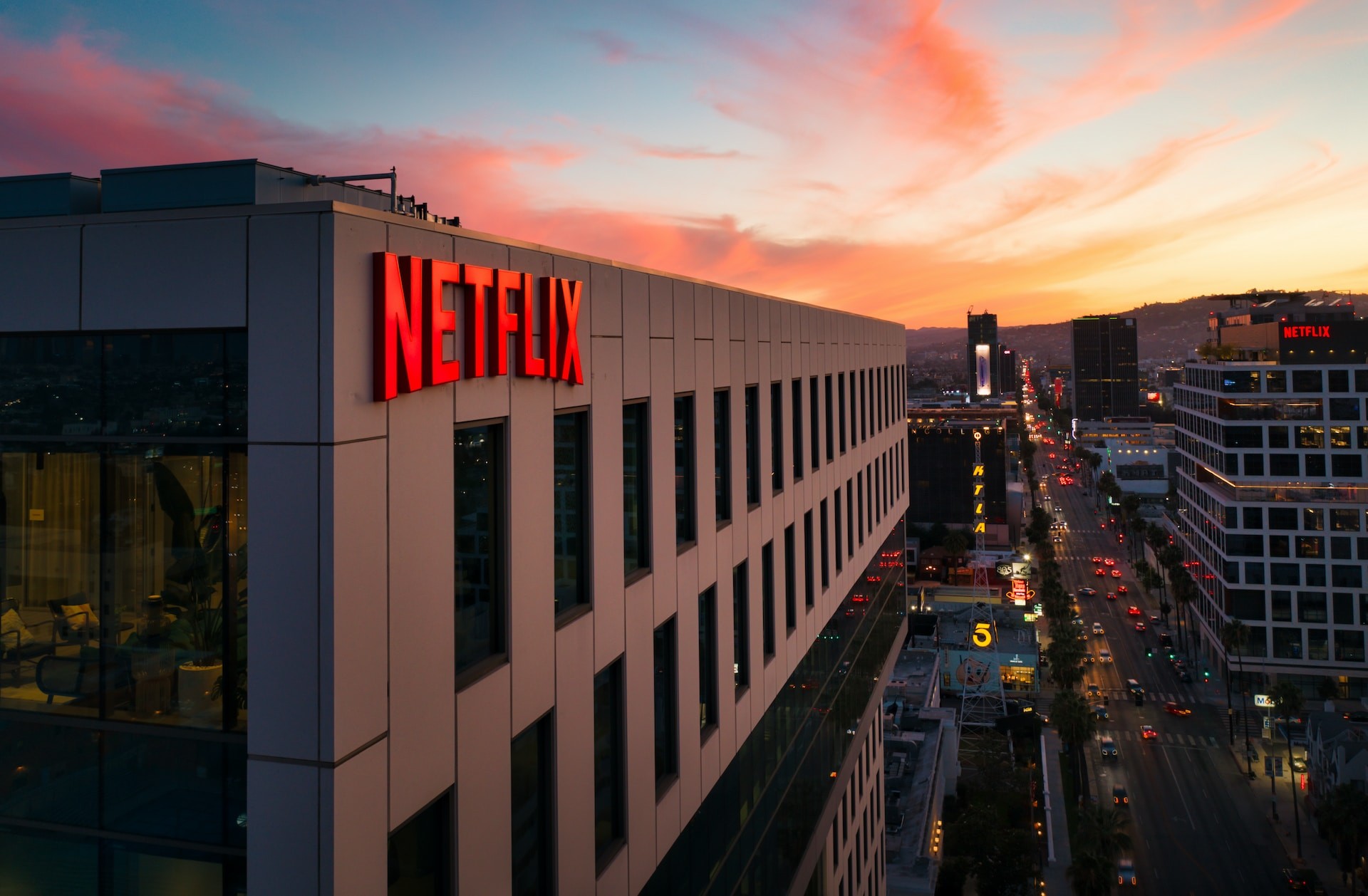
Another key move was resorting to that trusted old means of media revenue – advertising. Netflix’s launch of a membership option in which subscribers pay a lower monthly fee to watch content that includes occasional adverts has proven popular. (File photo: Venti Views/Unsplash)
Netflix had a tough year in 2022. Big rivals such as Disney and Amazon Prime were circling, and viewers seemed to be rethinking their streaming habits amid rising prices in a turbulent global economy. Netflix lost subscribers, and its share value plummeted.
Since then though, the company appears to have enjoyed a very swift reboot.
According to its latest letter to shareholders, it added 8.8 million new subscribers in the third quarter of 2023, on top of the 5.9 million it gained in the three months before that. The total number of subscribers worldwide is now 247.2 million.
So how has Netflix managed to turn things around?
One vital element was the crackdown on people sharing accounts across different households. By restricting the use of a single password to family members living in the same household, Netflix has successfully converted some of the password borrowers into bona fide members.
Another key move was resorting to that trusted old means of media revenue – advertising. Netflix’s launch of a membership option in which subscribers pay a lower monthly fee to watch content that includes occasional adverts has proven popular. Around 30% of new members now sign up to it – an encouraging rate for Netflix executives who are planning to scale it up.
But as well as these two fairly recent initiatives, what really allows Netflix to thrive in such a competitive market place is its solid understanding of the global nature of the streaming industry, which I describe in my recent book.
The company’s international approach is reflected in the fact that more than 70% of its subscribers come from outside of the US. It produces or co-produces shows in more than 50 countries, and has invested heavily in content from countries such as South Korea (US$2.5 billion (£2.05 billion) in the next four years) and the UK (US$6 billion since 2020).
This local investment attracts local subscribers, as has been the case with Sintonia in Brazil, Dear Child in Germany and and Class Act in France.
But the regional investment also brings global returns. A recent audience study found that a sizeable number of viewers seek out foreign content on streaming platforms. Some of Netflix’s foreign language series have proved to be extremely popular abroad, including Lupin (made in France) and Money Heist (Spain).
South Korean drama – including All of Us Are Dead, The Glory and Squid Game – have travelled particularly well, which may explain the extra investment Netflix is making there.
And all of this content is bolstered by US productions and Hollywood films which remain popular across borders. Grant Singer’s Reptile and Chloe Domont’s Fair Play were in Netflix’s top 10 films in 88 and 91 countries respectively in October.
Showtime
On the technical side, it is sometimes claimed that Netflix epitomises a “vertical integration model”, operating across the entire chain of TV content production and distribution. But in reality it is great at outsourcing.
For while Netflix has its own engineers and proprietary technology, including its famed recommendation system and algorithm, the company has designed its entire media delivery on third-party service infrastructure.
Netflix shut its last data centre in 2016. Now everything the platform needs, from data storage to customer information and algorithms runs on Amazon’s web services.
Outsourcing media delivery has enabled Netflix to avoid sinking cash in to global infrastructure, and instead focus on its core mission: members’ engagement across markets.
The same goes with content production. Netflix “originals” are produced by the platform insofar has it pays for the entirety of the production costs. But the content is actually made by outside film and TV producers.
This entails governing a vast network of suppliers, giving it extraordinary flexibility in a fast moving industry. In contrast, the likes of Disney+ have to rely more heavily on a limited range of production it is directly responsible for making.
If Netflix does have a corporate weakness, it may be that its streaming service is not part of a large enterprise ecosystem. Amazon and Apple for example, sell goods to millions of customers and cleverly entwine different parts of their empires to deliver significant economies of scale.
Despite this, Netflix’s approach embraces the challenges and opportunities a global market offers. Its outsourcing model makes it agile and able to pivot rapidly with a business model which enables it to thrive.
The streaming industry – and television at large – is entering a period of adjustment because it needs to close the gap between content investment and revenue generation. Aided by some shrewd decisions and with a truly global outlook, the market leader appears to be in a good position to weather the storm.
Jean Chalaby, Professor of Sociology, City, University of London
This article is republished from The Conversation under a Creative Commons license. Read the original article.




















