AI won’t be replacing your priest, minister, rabbi or imam any time soon

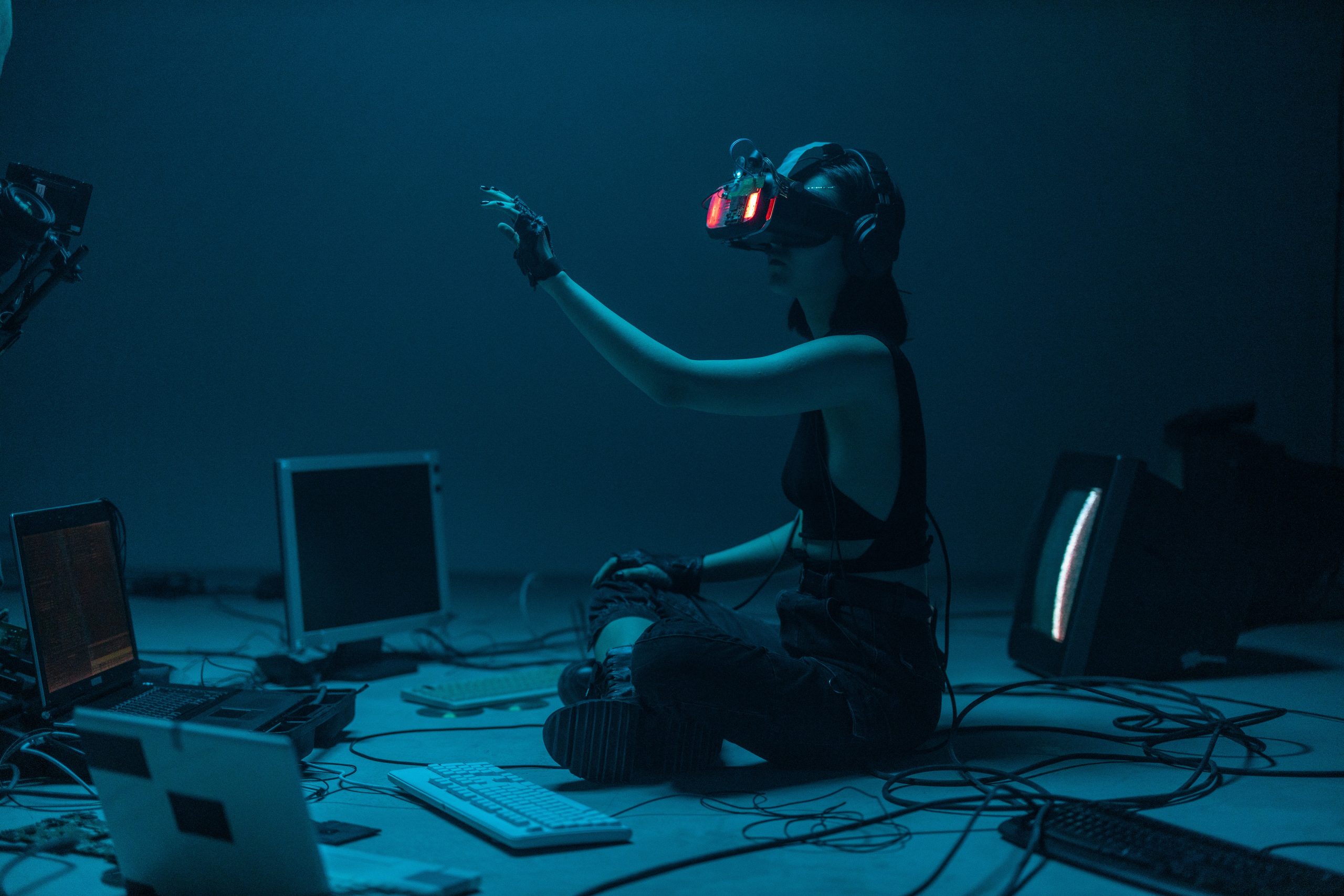
At the end of the service, an attendee remarked, “There was no heart and no soul.” (Pexels Photo)
Early in the summer of 2023, robots projected on a screen delivered sermons to about 300 congregants at St. Paul’s Church in Bavaria, Germany. Created by ChatGPT and Jonas Simmerlein, a theologian and philosopher from the University of Vienna, the experimental church service drew immense interest.
The deadpan sermon delivery prompted many to doubt whether AI can really displace priests and pastoral instruction. At the end of the service, an attendee remarked, “There was no heart and no soul.”
But the growing use of AI may prompt more churches to debut AI-generated worship services. A church in Austin, Texas, for example, has put a banner out advertising a service with an AI-generated sermon. The church worship will also include an AI-generated call to worship and pastoral prayer. Yet this use of AI has prompted concerns, as these technologies are believed to disrupt authentic human presence and leadership in religious life.
My research, alongside others in the interdisciplinary fields of digital religion and human-machine communication, illuminates what is missing in discussions of AI, which tend to be machine-centric and focused on extreme bright or dark outcomes.
It points to how religious leaders are still the ones influencing the latest technologies within their organizations. AI cannot simply displace humans, since storytelling and programming continue to be critical for its development and deployment.
Here are three ways in which machines will need a priest.
1. Clergy approve and affirm AI use
Given rapid changes in emerging technologies, priests have historically served as gatekeepers to endorse and invest in new digital applications. In 2015, in China, the adoption of Xian’er, the robot monk, was promoted as a pathway to spiritual engagement by the master priest of the Buddhist Longquan Temple in Beijing.
The priest rejected claims that religious AI was sacrilegious and described innovation in AI as spiritually compatible with religious values. He encouraged the incorporation of AI into religious practices to help believers gain spiritual insight and to elevate the temple’s outreach efforts in spreading Buddhist teachings.
Similarly, in 2019, the head priest of the Kodai-ji Buddhist temple in Kyoto, Japan, named an adult-size android “Kannon Mindar,” after the revered Goddess of Mercy.
This robotic deity, who can preach the Heart Sutra, a classic and popular Buddhist scripture, was intentionally built in partnership with Osaka University, with a cost of about US$1 million. The idea behind it was to stimulate public interest and connect religious seekers and practitioners with Buddhist teachings.
By naming and affirming AI use in religious life, religious leaders are acting as key influencers in the development and application of robots in spiritual practice.
2. Priests direct human-machine communication
Today, much of AI data operations remain invisible or opaque. Many adults do not recognize how much AI is already a part of our daily lives, for example in customer service chatbots and custom product recommendations.
But human decision making and judgment about technical processes, including providing feedback for reinforcement learning and interface design, is vital for the day-to-day operations of AI.
Consider the recent robotic initiatives at the Grand Mosque in Saudi Arabia. At this mosque, multilingual robots are being deployed for multiple purposes, including providing answers to questions related to ritual performances in 11 languages.
Notably, while these robots stationed at the Grand Mosque can recite the Holy Quran, they also provide visitors with connections to local imams. Their touch-screen interfaces are equipped with bar codes, allowing users to learn more about the weekly schedules of mosque staff, including clerics who lead Friday sermons. In addition, these robots can connect visitors with Islamic scholars via video interactions to answer their queries around the clock.
What this shows is that while robots can serve as valuable sources of religious knowledge, the strategic channeling of inquiries back to established religious leaders is reinforcing the credibility of priestly authority.
3. Religious leaders can create and share ethical guidelines
Clergy are trying to raise awareness of AI’s potential for human flourishing and well-being. For example, in recent years, Pope Francis has been vocal in addressing the potential benefits and disruptive dangers of the new AI technologies.
The Vatican has hosted technology industry leaders and called for ethical guidelines to “safeguard the good of the human family” and maintain “vigilance against technology misuse.” The ethical use of AI for religion includes a concern for human bias in programming, which can result in inaccuracies and unsafe outcomes.
In June 2023, the Vatican’s culture and education body, in partnership with Santa Clara University, released a 140-page AI ethics handbook for technology organizations. The handbook stressed the importance of embedding moral ideals in the development of AI, including respect for human dignity and rights in data privacy, machine learning and facial recognition technologies.
By creating and sharing ethical guidelines on AI, religious leaders can speak to future AI development from its inception, to guide design and consumer implementation toward cherished values.
In sum, while religious leaders appear to be undervalued in AI development and discourse, I argue that it is important to recognize the ways in which clergy are contributing to skillful communication involving AI technologies. In the process, they are co-constructing the conversations that chatbots such as the one at the church in Bavaria are having with congregants.
Pauline Hope Cheong, Professor of Human Communication and Communication Technologies, Arizona State University
This article is republished from The Conversation under a Creative Commons license. Read the original article.