
Environment & Nature
Climate change triggering global collapse in insect numbers: stressed farmland shows 63% decline – new research

Speed read
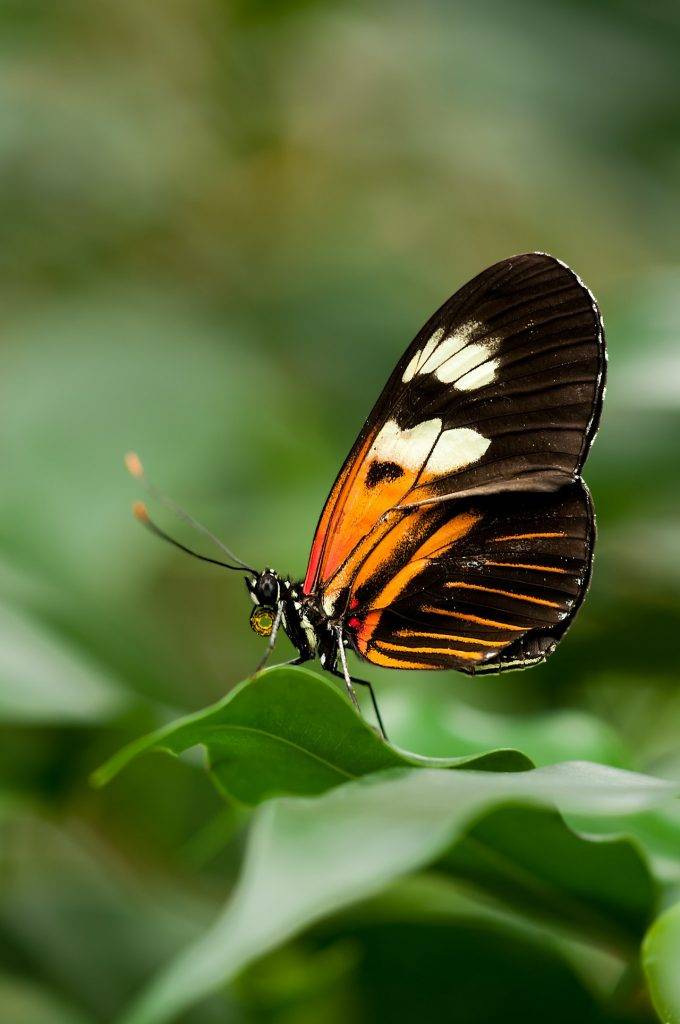
The world may be facing a devastating “hidden” collapse in insect species due to the twin threats of climate change and habitat loss.
UCL’s Centre for Biodiversity & Environment Research has carried out one of the largest-ever assessments of insect declines around the world – assessing three-quarters of a million samples from around 6,000 sites.
The new study, published in Nature, finds that climate-stressed farmland possesses only half the number of insects, on average, and 25% fewer insect species than areas of natural habitat.
Insect declines are greatest in high-intensity farmland areas within tropical countries – where the combined effects of climate change and habitat loss are experienced most profoundly.
The majority of the world’s estimated 5.5 million species are thought to live in these regions – meaning the planet’s greatest abundances of insect life may be suffering collapses without us even realising.
Lowering the intensity of farming by using fewer chemicals, having a greater diversity of crops and preserving some natural habitat can mitigate the negative effects of habitat loss and climate change on insects.
Considering the choices we make as consumers – such as buying shade-grown coffee or cocoa – could also help protect insects and other creatures in the world’s most climate-vulnerable regions.
Long read
Insects are critical to the future of our planet. They help to keep pest species under control and break down dead material to release nutrients into the soil. Flying insects are also key pollinators of many major food crops, including fruits, spices and – importantly for chocolate lovers – cocoa.
The growing number of reports suggesting insect numbers are in steep decline is therefore of urgent concern. Loss of insect biodiversity could put these vital ecological functions at risk, threatening human livelihoods and food security in the process. Yet across large swathes of the world, there are gaps in our knowledge about the true scale and nature of insect declines.
Most of what we do know comes from data collected in the planet’s more temperate regions, especially Europe and North America. For example, widespread losses of pollinators have been identified in Great Britain, butterflies have experienced declines in numbers of between 30 and 50% across Europe, and a 76% reduction in the biomass of flying insects has been reported in Germany.
Information on insect species numbers and their abundance in the tropics (the regions either side of the Equator including the Amazon rainforest, all of Brazil, and much of Africa, India and Southeast Asia) is far more scarce. Yet the majority of the world’s estimated 5.5 million insect species are thought to live in these tropical regions – meaning the planet’s greatest abundances of insect life may be suffering calamitous collapses without us even realising.
The largest of the 29 major insect groups are butterflies/moths, beetles, bees/wasps/ants and flies. Each of these groups is thought to contain more than one million species. Not only is it near-impossible to monitor such a vast number, but as many as 80% of insects may not have been discovered yet – of which many are tropical species.

This story is part of Conversation Insights
The Insights team generates long-form journalism and is working with academics from different backgrounds who have been engaged in projects to tackle societal and scientific challenges.
Responding to these knowledge gaps, researchers at UCL’s Centre for Biodiversity and Environment Research have conducted one of the largest-ever assessments of insect biodiversity change. Some three-quarters of a million samples from around 6,000 sites worldwide were analysed in our study, adding up to nearly 20,000 different species in all.
Insects are facing an unprecedented threat due to the “twin horsemen” of climate change and habitat loss. We sought to understand how insect biodiversity is being affected in areas that experience both these challenges most severely. We know they do not work in isolation: habitat loss can add to the effects of climate change by limiting available shade, for example, leading to even warmer temperatures in these vulnerable areas.
For the first time, we were able to include these important interactions in our global biodiversity modelling. Our findings, published today in Nature, reveal that insect declines are greatest in farmland areas within tropical countries – where the combined effects of climate change and habitat loss are experienced most profoundly.
We compared high-intensity farmland sites where high levels of warming have occurred with (related) areas of natural habitat that are little-affected by climate change. The farmland sites possess only half the number of insects, on average, and more than 25% fewer insect species. Throughout the world, our analysis also shows that farmland in climate-stressed areas where most nearby natural habitat has been removed has lost 63% of its insects, on average, compared with as little as 7% for farmland where the nearby natural habitat has been largely preserved.
Areas our study highlights as particularly at risk include Indonesia and Brazil, where many crops depend on insects for pollination and other vital ecosystem services. This has serious implications for local farmers and the wider food chain in these climatically and economically vulnerable areas.
Cocoa, midges and deforestation
Eighty-seven of the world’s major crops are thought to be fully or partially dependent on insect pollinators, of which most tend to be grown in the tropics. Cocoa, for example, is primarily pollinated by midges, a group of flies infamous for bedevilling camping trips in Scotland and other parts of the northern hemisphere. In fact, midges play a vital and under-appreciated role in pollinating the cocoa needed to make chocolate.
The majority of cocoa production takes place in Indonesia, Côte d’Ivoire and Ghana. In Indonesia alone, the export of cocoa beans is valued at around US$75 million per year. Most cocoa production is carried out by smallholders rather than big plantation owners, and many farmers are dependent on this crop for their livelihoods. While it is critical to understand whether insect losses will make things worse for cocoa and its farmers, we have very little knowledge of the state of insect biodiversity in tropical countries such as Indonesia.
Cocoa production in the region is already being stressed by adverse weather events that may be linked to climate change. Warming temperatures and changing rainfall patterns are implicated in changes in the growth, pollination and bean production of cocoa plants.
Agriculture is one of the major industries for the people of Indonesia, particularly in rural regions, with large areas being cleared for the production of key crops, also including palm oil. This has resulted in deforestation of extensive areas of rainforest, increasing the risk to many rare and endangered species such as the orangutan, as well as less well-known species including many insects.
Tropical regions are under considerable threat, primarily as a result of agricultural expansion – often to meet increasing demand from countries outside the tropics. International trade has been shown to be a major driver of deforestation in these regions, with forests in Southeast Asia, East and West Africa and the Amazon particularly vulnerable. Brazil’s and Indonesia’s high levels of deforestation are attributed to the production of commodities for export including soybean, coffee, palm oil – and cocoa.
The threat of climate change
Habitat loss is known to be a key threat to biodiversity, yet its impact on insects is still under-studied, and assessments of tropical species tend to be very rare. One study found that forest-dependent orchid bees in Brazil have declined in abundance by around 50% (although it only sampled their numbers at two time points). Orchid bees, found only in the Americas, are important pollinators of orchid flowers, with some plants being entirely dependent on this insect for their pollination.
Adding to the challenges of deforestation and other, longer-term habitat changes, is climate change. This fast-emerging threat to insect biodiversity has already been implicated in declines of moths in Costa Rica and bumblebees in Europe and North America. Rising temperatures and increasing frequency of extreme weather events, such as droughts, are just two manifestations known to be having a harmful impact on many insect species.
It is predicted that climate change will have a particularly big impact in the planet’s tropical regions. Temperatures in the tropics are naturally quite stable, so species aren’t used to coping with the fast changes in temperature we are seeing with climate change. Again, though, our ability to understand how this is affecting tropical insects is hampered by a lack of data for these regions. Almost all of the available data comes from only a few very well-studied groups of insects – in particular, butterflies, moths and bees – while many other groups receive very little attention. Despite a big increase in studies of insect biodiversity change, there is still much we don’t know.
Insects normally missed
To help address this knowledge gap, our study has assessed three-quarters of a million samples of insects from all over the world. Of the 6,000 sites included, almost one third are from tropical locations. Our samples of nearly 20,000 different insect species include beetles, bees, wasps, ants, butterflies, moths, flies, bugs, dragonflies and other, less well-known groups.
This was made possible through the use of PREDICTS, a biodiversity database which brings together millions of samples collected by researchers all over the world. PREDICTS records biodiversity in natural habitats and also in areas used by humans for growing crops, among other purposes. It is one of very few global databases that allow us to study biodiversity changes across the whole world.
While our 20,000-strong sample represents only a fraction of the vast diversity of insect species, it is still a sample from more sites than have ever been studied before. We were particularly interested in using it to understand how habitat loss and climate change play off each other to affect insect biodiversity, and were able to include these interactions in our models for the first time.
These twin conditions are found most profoundly in farmland in tropical countries. And our results demonstrate that farmland in these regions has typically lost a lot of insect biodiversity, relative to areas of primary vegetation. This highlights that climate change may present a major threat to food security not only by directly impacting crops, but also through losses of pollinators and other important insects.
As climate change accelerates, the ability to grow cocoa and other crops in their current geographical ranges is already becoming more uncertain, threatening local livelihoods and reducing the availability of these crops for consumers all over the world. The insect losses our study highlights are only likely to add to this risk. Indeed, threats to food security due to the loss of insect biodiversity are already being seen in both temperate and tropical regions: for example, evidence of reduced yields due to a lack of pollinators has been reported for cherry, apple and blueberry production in the US.
In some parts of the world, farmers are resorting to hand-pollination techniques, where the flowers of crops are pollinated using a brush. Hand pollination is used for cocoa in a number of countries, including Ghana and Indonesia. These techniques can help to maintain or increase yield, but come at a high labour cost.
Reducing the declines
Our study also highlights changes that could help to reduce insect declines. Lowering the intensity of farming – for example, by using fewer chemicals and having a greater diversity of crops – mitigates some of the negative effects of habitat loss and climate change. In particular, we show that preserving natural habitat within farmed landscapes really helps insects. Where farmland in climate-stressed areas with its natural habitat largely removed shows insect reductions of 63%, on average, this number drops to as little as 7% where three-quarters of the nearby natural habitat has been preserved.
For insects living on farmland, natural habitat patches act as an alternative source of food, nesting sites and places to shelter from high temperatures. This offers hope that even while the planet continues to warm, there are options that will reduce some of the impacts on insect biodiversity.
Indeed, natural habitat availability has already been shown, at smaller scales, to have a positive impact within agricultural systems in particular. For Indonesian cocoa, increasing the amount of natural habitat has been found to boost numbers of key insects including pollinators. Our new study shows, however, that the benefits of this intervention are only found in less-intensive farming systems. This might mean reducing the level of inputs such as fertilisers and insecticides that are applied, or increasing crop diversity to ensure the benefits of nearby natural habitat can be felt.
It’s also important to note that not all species are enduring a hard time as a result of recent pressures. For example, recent work looking at UK insects has shown that while some groups have declined, others, including freshwater insects, have increased in recent years. Another study looking at worldwide insect trends also found increases in the numbers of freshwater insects. However, many of these positive trends have been reported in non-tropical regions such as the UK and Europe, where a lot has been done, for example, to improve the water quality of rivers in recent years, following past degradation.
Making a difference
The COVID-19 lockdowns prompted many of us to reconnect with the flora and fauna around us. In the UK, the warm spring weather of 2020 saw an apparent increase in the abundance of insects in the UK countryside. However, this spike was probably temporary, and something of an anomaly set against the bigger picture worldwide.
To support more insect biodiversity in our local environments, we can plant diverse gardens to attract insects, reduce the amount of pesticides used in gardens and allotments, and reduce how often we mow our lawns. (In the UK, you could consider joining the No Mow May challenge.) However, it is not just locally that we can make a difference. Considering the choices we make as consumers could help protect insects and other creatures in the tropics. For example, buying shade-grown coffee or cocoa will ensure a lesser impact on biodiversity than crops grown in the open.
Meanwhile, governments and other public and private organisations should consider more carefully the impact their actions and policies are having on insects. This could range from the proper consideration of biodiversity within trade policies and agreements, to ensuring that products are not sourced from areas associated with high deforestation rates.
And then there’s the data issue. We are increasingly recognising the importance of insects for human health and wellbeing, and their key role in global food production systems. Safeguarding the environment to protect insects into the future will have big benefits for human societies around the world. However, none of this is possible without good data.
One important step towards a better understanding of insect biodiversity change is to bring together and assess the data that is already available. A new project of which we are part, GLiTRS (GLobal Insect Threat-Response Synthesis), is doing this by combining the work of leading experts from a range of institutions and ecological disciplines, including data analysts. The project will then assess how different insect groups are responding to certain threats.
Understanding what is causing insect declines is key for preventing even greater losses in the future, and for safeguarding the valuable functions that insects perform. Climate change and biodiversity loss are major global crises that are two sides of the same coin. Their combined effects on food production mean the health, wellbeing and livelihoods of many people in the tropics and beyond are hanging in the balance. Insect biodiversity losses are a crucial, but as yet understudied, part of this story.

For you: more from our Insights series:
12 best ways to get cars out of cities – ranked by new research
Microalgae is nature’s ‘green gold’: our pioneering project to feed the world more sustainably
Embracing uncertainty: what Kenyan herders can teach us about living in a volatile world
To hear about new Insights articles, join the hundreds of thousands of people who value The Conversation’s evidence-based news. Subscribe to our newsletter.
Tim Newbold, Senior Research Fellow, Centre for Biodiversity and Environment, UCL and Charlie Outhwaite, Postdoctoral Researcher in Biodiversity Change, UCL
This article is republished from The Conversation under a Creative Commons license. Read the original article.




















