
Sports
NCAA amateurism appears immune to COVID-19 – despite tide in public support for paying athletes having turned

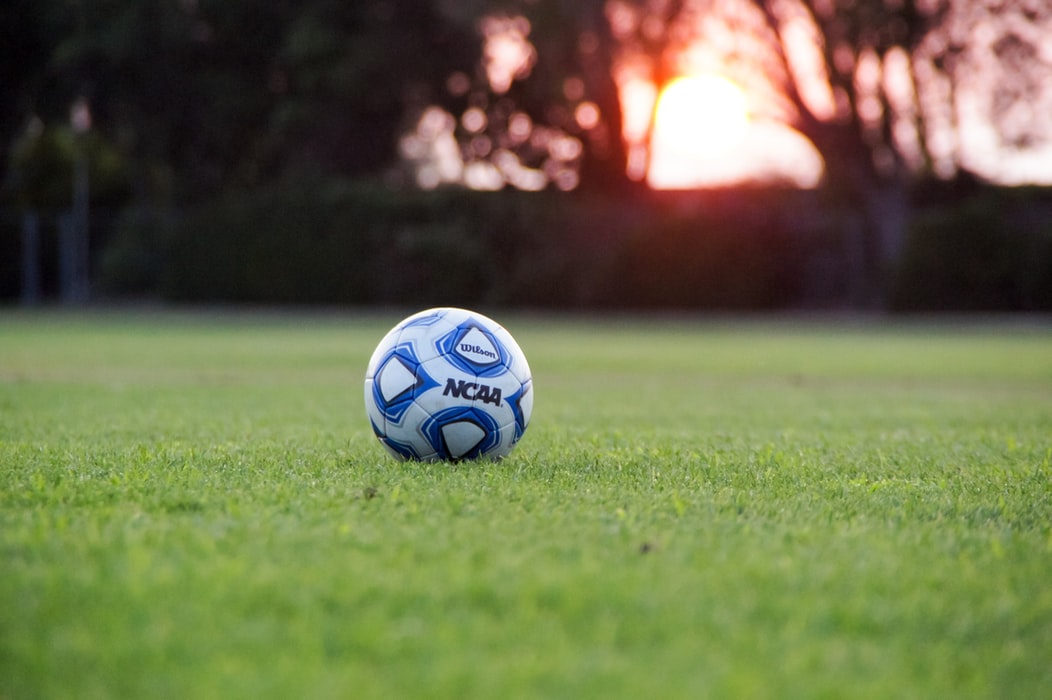
While many college athletes are grateful for the opportunity to compete, the pandemic has laid bare just how few basic rights they possess. College athletes are navigating this strange sports season with increased health risks, but with little leverage or say about the conditions under which they’ll play. (File Photo: Duffy Brook/Unsplash)
Despite the coronavirus pandemic, college sports have mostly chugged along – albeit with cancellations, postponements and pauses in play.
While many college athletes are grateful for the opportunity to compete, the pandemic has laid bare just how few basic rights they possess. College athletes are navigating this strange sports season with increased health risks, but with little leverage or say about the conditions under which they’ll play.
In contrast, their professional counterparts in leagues such as the NBA, WNBA, MLB and NFL, thanks to their respective unions, actively negotiated special accommodations, health measures, truncated seasons and the ability to opt out of playing. They also continually negotiate their economic rights, such as how their sport’s revenue is split up and the minimum and maximum amounts that players may be paid.
Will this unusual season be the one that finally compels the NCAA to grant players broad economic rights, too?
The public, it seems, is increasingly on board.
According to a newly published study I conducted with Ohio University sports management professor Dave Ridpath, the tide in public opinion – at least when it comes to pay – has already been turning. However, race plays a big role in determining the level of support.
The public support is there
In our study, we analyzed survey data that I collected from nearly 4,000 U.S. adults in late 2018 through early 2019. One of the questions we asked respondents was whether college athletes should be allowed to be paid, as athletes, beyond the costs to attend school.
Based on our findings, 51% of U.S. adults indicated support for this right by early 2019. This coincides with subsequent results from other polls that indicate rising levels of support for college athletes’ basic economic rights. For example, an October 2019 Seton Hall Sports Poll found that 60% of U.S. adults supported college athletes being allowed to be paid for the use of their names, images and likenesses. Results from an AP-NORC survey in December 2019 pegged that support at 66%.
Previous research had consistently found that most U.S adults were opposed to college athletes being paid and were even against college athletes being able to negotiate for rights through a union.
The rising support for some basic economic rights for college athletes comes at a time when people are paying more attention to the massive financial hauls of some college sports programs, particularly through men’s college football and basketball. These profits have led to enormous salaries for many coaches and administrators.
The NCAA has long claimed that college sports would lose their allure if college athletes were paid – that the magic of watching amateurs simply playing for pride while representing a cherished university would disappear, and fans would become less enchanted by college sports.
Yet we found that the most passionate sports fans were actually the most likely to support the idea of permitting college athletes to be paid.
Class, race and amateurism
Race, however, does seem to influence respondents’ support for college athletes’ economic rights.
In our study, the odds for white adults strongly agreeing that college athletes should be allowed to be paid were 36% lower than those for nonwhite adults. When we zeroed in on Black and white respondents, we found that the odds for Black adults strongly agreeing with payment allowances were two-and-a-half times those of whites.
Why might this be the case?
It could have to do with the way race and class are intertwined with amateurism.
In the 19th century, white, upper-class Europeans invented the concept of amateurism. They claimed that paying athletes would corrupt the purity of the game and make participants more likely to cheat. In reality, they wanted to discourage working-class athletes from competing, as most couldn’t afford to play for free.
When American universities adopted amateurism in the early 20th century as its model for college sports, these social class distinctions were still in play. There was also a racial element, since, at the time, higher education was the domain of the white and wealthy.
Over the course of the 20th century, nonwhite – particularly, Black – athletes were gradually integrated into college sports, which became increasingly commercialized. Today, Black athletes constitute an outsized proportion of college football and basketball rosters.
Yet amateurism, a relic of classist and racist attitudes, remains, and the bulk of the revenue that Black athletes disproportionately generate – a number that now amounts to billions of dollars – doesn’t go to them. Nor have they or other athletes been permitted to accept outside payments aside from the full cost of attendance.
So, there is very much a racial element to the economic exploitation that seems to be occurring. But this is not solely a racial issue. Self-serving profit motives are also at play. The NCAA has inconsistently applied the principles of amateurism in order to exert more control over college sports and generate more revenue.
Still, perhaps the Black respondents in our survey were more aware of this discrepancy between profits, race and labor. We also discovered that – regardless of the respondent’s racial identity – a recognition of racial discrimination in society coincided with greater support for college athletes’ right to be allowed to be paid. This suggests that those inclined to perceive racial exploitation in American society might see college sports through the same lens.
Are the times finally changing?
Pay, of course, is just one right. College athletes can be subjected to abuse, forced to risk their health and made to prioritize sports over academics – and still find themselves powerless to protest or enact changes.
Thanks to athlete activism, media attention, legal challenges, state legislation and shifts in public opinion on the issue of economic rights, the NCAA seems to be on the precipice of allowing college athletes to receive some forms of additional compensation.
In April, after being pressed to allow college athletes to profit from the use of their names, images and likenesses, the NCAA signaled that they will grant permission for this and will vote on proposals in January 2021. A Florida law is slated to permit this to occur in their state with or without NCAA approval in the summer of 2021.
[Deep knowledge, daily. Sign up for The Conversation’s newsletter.]
If the NCAA won’t grant basic economic and other rights to college athletes, it might be up to lawmakers to keep applying the pressure. That’s exactly what a group of senators tried to do in August when they introduced a College Athletes Bill of Rights that would guarantee NCAA players financial compensation, representation, long-term health care and lifetime educational opportunities.
The bill is languishing in the Senate, where it currently lacks any Republican support. Until that changes, it may be up to the athletes themselves to raise awareness and instigate change.
Chris Knoester, Associate Professor of Sociology, The Ohio State University
This article is republished from The Conversation under a Creative Commons license. Read the original article.




















