Health
Strange physical symptoms? Blame the chronic stress of life during the COVID-19 pandemic

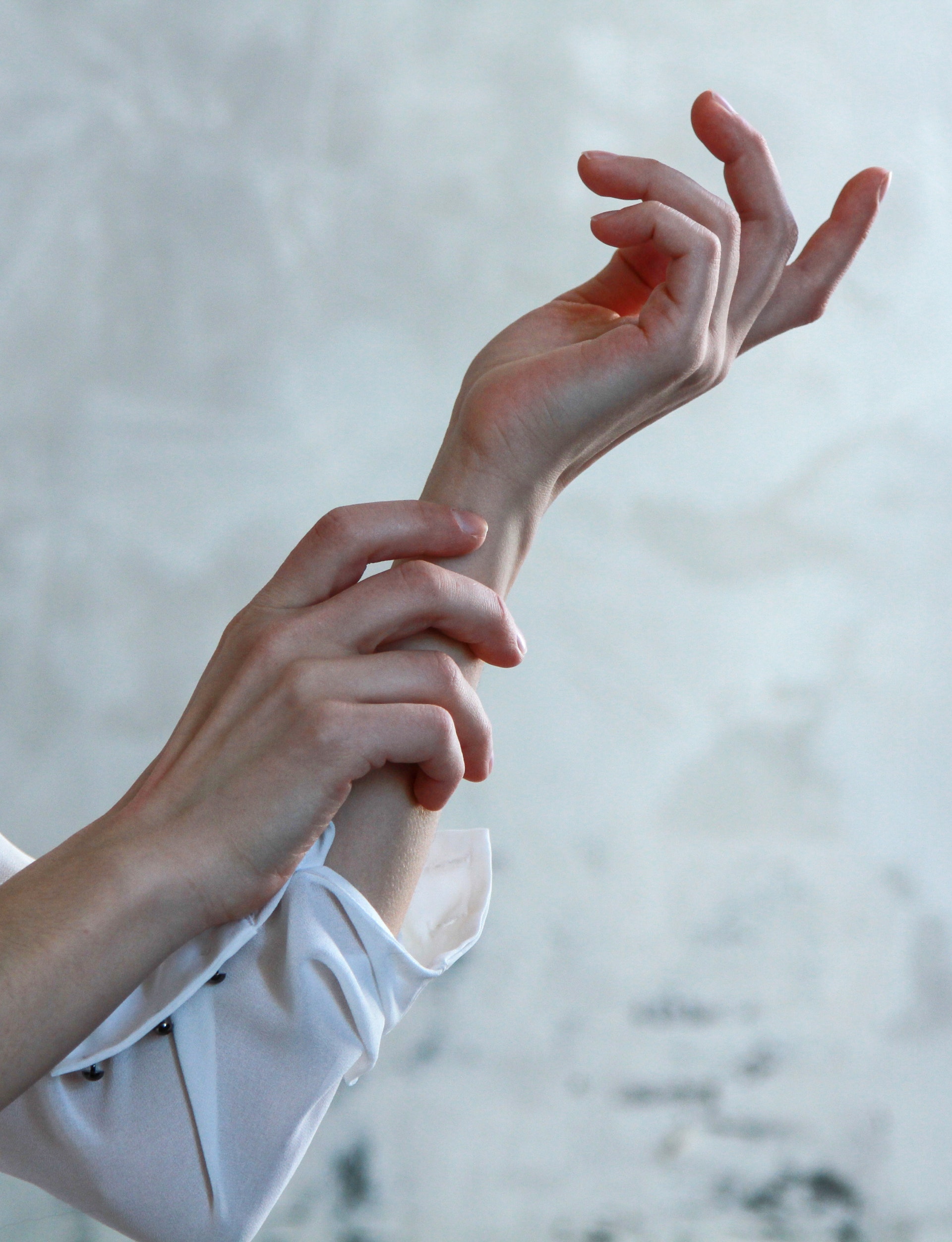
This “fight/flight” response produces physical symptoms such as heart palpitations and chest tightness (the heart pumping oxygen to the major muscles), and stomach butterflies, nausea and tingling (blood leaving the stomach and extremities to get to the major muscles). (Pexels photo)
During the current COVID-19 pandemic have you been wondering why you’re getting headaches more often? Or stomach aches? Or feeling itchy or getting pimples? Or why your periods are irregular or more painful than usual? Exciting recent science suggests that the answers may lie in our body’s biological reactions to stress.
Our biological stress response system — the hypothalamic-pituitary-adrenal (HPA) axis — evolved hundreds of millions of years ago to help our vertebrate ancestors quickly mobilize energy to confront imminent, life-or-death threats, such as predator attacks. In the short term, this system is exquisite in its efficiency and crucial to survival.
The problem with our current situation is that it has been going on for months, and the end is not clearly in sight. Chronic stress sends the HPA axis into overdrive, with effects felt throughout the body. These symptoms can even serve as further sources of stress. Understanding why our bodies are reacting in these ways can help us develop strategies to prevent stress from getting under our skin.
The biological stress response
When animals perceive a threat in their environment, the HPA axis stimulates the adrenal glands to release the hormone cortisol. Cortisol, along with adrenaline, work to pump oxygen to the major muscles to enable the animal to fight or escape.
This “fight/flight” response produces physical symptoms such as heart palpitations and chest tightness (the heart pumping oxygen to the major muscles), and stomach butterflies, nausea and tingling (blood leaving the stomach and extremities to get to the major muscles).
The HPA axis also interacts with the immune system to help with the aftermath. Cortisol is a potent anti-inflammatory and binds to large numbers of receptors in the skin to help repair wounds and fight infection.
The HPA axis doesn’t know the difference between the life-or-death threat of a predator attack and modern stressors. So, in the early stages of this crisis, if your stomach did flip-flops, or you felt your heart racing, when reading about surges in COVID-19 cases, your body was doing what it was designed to do even though at that moment you were not in any imminent physical danger.
The problem of chronic stress
(Piqsels)
A predator attack is time-limited. In contrast, the COVID-19 pandemic has been going on for weeks, and may be compounded by social isolation, job or financial insecurity and care-taking responsibilities. Unfortunately, all the HPA axis knows is that it needs to release stress hormones when we perceive a threat in our environment. So, if we perceive our environment as threatening all the time, then the HPA axis will release these chemicals all the time.
One of the most pronounced effects of long-term cortisol release is glucocorticoid resistance. This is when cells in the immune system become less sensitive to the anti-inflammatory effects of cortisol. As a result, cortisol starts to increase inflammation throughout the body and brain.
So, your itchiness and rashes? All of the cortisol receptors in your skin may no longer be receptive to cortisol’s anti-inflammatory effects and instead, chemicals are released that inflame the skin.
Your headaches or stomach aches? Painful periods? All of these symptoms can also be the result of inflammation in these organ systems caused by chronic HPA axis activation.
Even psychological symptoms, such as feelings of depression or loneliness, have been linked to the release of pro-inflammatory chemicals caused by chronic stress.
Taking control of your stress response
Much of what is perceived as stressful on a day-to-day level is not specific to contracting the COVID-19 virus, but instead is the result of changes that we have had to make in our lives. A switch to working from home, or not working, has disrupted our sleeping, eating and activity schedules that regulate our internal circadian clock. Staying indoors means lower exercise and activity levels. Many people, especially those living alone, are socially isolated from friends and loved ones.
Disrupted circadian routines, lack of exercise and social isolation have all been strongly linked to dysregulation of the body’s stress and immune systems, and release of pro-inflammatory chemicals in the body and brain.

(Unsplash)
Fortunately, even small positive changes in these areas can have strong stress-reducing effects. Keeping a regular routine by going to bed, getting up and eating at consistent times each day has been linked to greater overall health by promoting healthy function of the HPA axis and immune system. Even 20 minutes of moderate exercise, which inside could include exercise videos or jogging around at home, regulates the HPA axis, reduces inflammation and has strong mood-lifting effects.
Finally, talking regularly with friends and loved ones, even remotely or at a distance, is one of the best things you can do to protect against the biological and psychological effects of stress. Remember, we’re all in this together!
Kate Harkness, Professor of Psychology and Psychiatry and Director of the Mood Research Laboratory, Queen’s University, Ontario
This article is republished from The Conversation under a Creative Commons license. Read the original article.