
News
WHO: Don’t expect travel bans, ‘Mother Nature’ to beat virus

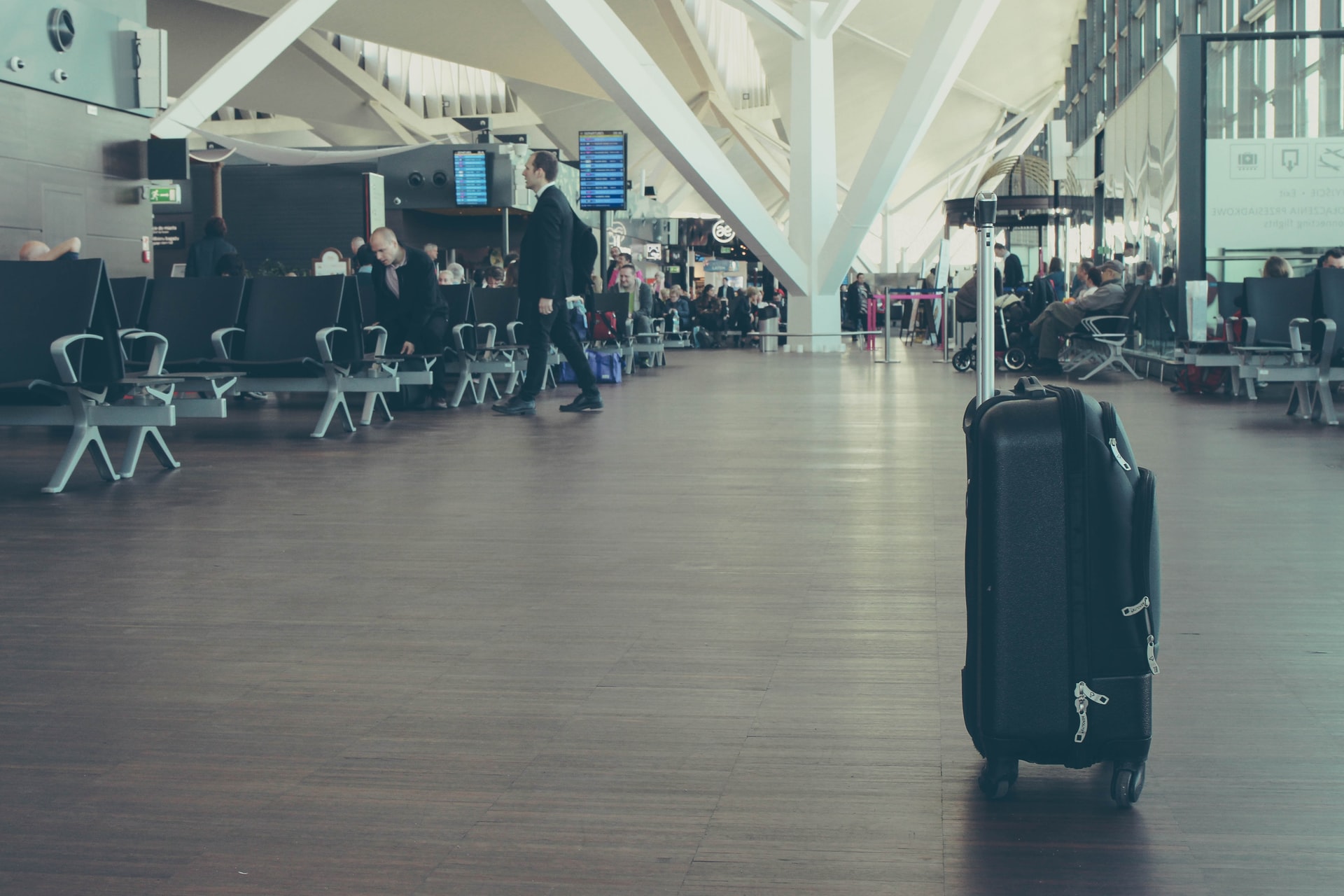
Dr. Bruce Aylward, who led a WHO team in China during the raging COVID-19 outbreak there last month, said in an interview that travel bans “generally aren’t part of the armamentarium you bring to bear on something like this.” (File Photo by Michał Parzuchowski/Unsplash)
GENEVA — Countries may gain time in the short-term as they limit travel to fight the new coronavirus pandemic, but the World Health Organization thinks overall that “it doesn’t help to restrict movement,” a top adviser to the U.N. health agency’s chief said Thursday.
Dr. Bruce Aylward, who led a WHO team in China during the raging COVID-19 outbreak there last month, said in an interview that travel bans “generally aren’t part of the armamentarium you bring to bear on something like this.”
“What we found, as a general principle – not a general principle, a pretty robust principle – is that it doesn’t help to to restrict movement,” Aylward, a former WHO emergencies chief, said outside a room at agency headquarters devoted to the outbreak. “What you’re really interested in is: Where is the virus? The viruses in the cases, the viruses in their close contacts.”
Aylward spoke a day after WHO Director-General Tedros Adhanom Ghebreyesus said the worldwide spread of the virus now qualified as a pandemic and President Donald Trump announced temporary entry bans on travellers from most of Europe. Other countries also stepped up cross-border restrictions.
He acknowledged that “people are confused” about the virus. He advised frequent hand-washing and other sanitary practices to avoid infection and getting tested quickly when someone suspects they’ve been exposed to the virus.
Aylward also sought to dispel some myths and misconceptions about the virus. He said people shouldn’t worry about goods shipped from places with significant case numbers and remember that “sniffles” aren’t a symptom of COVID-19 but a high fever and dry cough are.
He alluded to comments by some that warmer weather might snuff out the virus.
“Many people ask, `Will this go away with the winter season?”’ he said, noting that the epidemiological approach calls for locating and tracking the virus, and getting infected people out of circulation..
“I would not be betting on Mother Nature here,” Aylward said. “I would be betting on case-finding. Isolation (of patients). Contact tracing. Testing. Testing. Testing.”
For most people, the new coronavirus causes only mild or moderate symptoms, such as fever and cough. For some, especially older adults and people with existing health problems, it can cause more severe illness, including pneumonia.
The vast majority who become infected recover. The World Health Organization says people with mild illness recover in about two weeks, while those with more severe illness may take three to six weeks to recover.
While the elderly or those with preexisting health conditions are considered most at risk, “people 30, 40, 50-years-old get sick with COVID,” Aylward said. “Most of them will recover and be fine. Some of them won’t. And some of them even will die.”
“We don’t know who. And we don’t know why,” he said. “That’s very unsettling.”
Aylward said he had “phenomenal confidence in the ability of the U.S. to get this under control,” noting how many epidemiologists in China — which has succeeded in minimizing new cases — had trained in the United States.
“They know how to do this stuff,” he said of the U.S. experts. “And they’ve trained thousands of people across the U.S. to get organized. You mobilize that army, and you beat this most recent of enemies.”




















